×

The Standard e-Paper
Home To Bold Columnists
 The Standard Group Plc is a
multi-media organization with investments in media platforms spanning newspaper
print operations, television, radio broadcasting, digital and online services. The
Standard Group is recognized as a leading multi-media house in Kenya with a key
influence in matters of national and international interest.
The Standard Group Plc is a
multi-media organization with investments in media platforms spanning newspaper
print operations, television, radio broadcasting, digital and online services. The
Standard Group is recognized as a leading multi-media house in Kenya with a key
influence in matters of national and international interest.

A two-horse race in politics is a high-stakes election where seemingly, only two candidates have a real chance of winning. In this context, 'donkeys' can be described as candidates who apparently have no chance, as it's assumed that one of the two 'horses' will ultimately win.
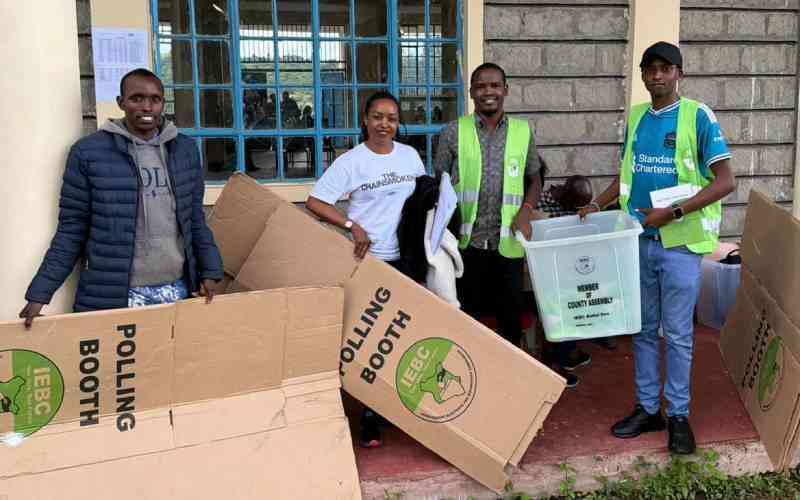
In early 2013, I interviewed Prof James ole Kiyiapi at Serena Hotel, for an international media house. This intense encounter allowed me to scrutinise his policy proposals and gain insight into the man's values. In subsequent weeks, after evaluating the policies and track records of all presidential candidates, I ultimately voted for Prof Kiyiapi, despite him being a 'donkey' in a two-horse race between Uhuru Kenyatta and Raila Odinga. When the ballots were counted, my vote was among the mere 40,998 he received. This was just 0.34 per cent of the total, placing him second to last in an eight-person contest.
Subscribe to our newsletter and stay updated on the latest developments and special offers!

 Prefer the Standard on Google