×

The Standard e-Paper
Smart Minds Choose Us
 The Standard Group Plc is a
multi-media organization with investments in media platforms spanning newspaper
print operations, television, radio broadcasting, digital and online services. The
Standard Group is recognized as a leading multi-media house in Kenya with a key
influence in matters of national and international interest.
The Standard Group Plc is a
multi-media organization with investments in media platforms spanning newspaper
print operations, television, radio broadcasting, digital and online services. The
Standard Group is recognized as a leading multi-media house in Kenya with a key
influence in matters of national and international interest.
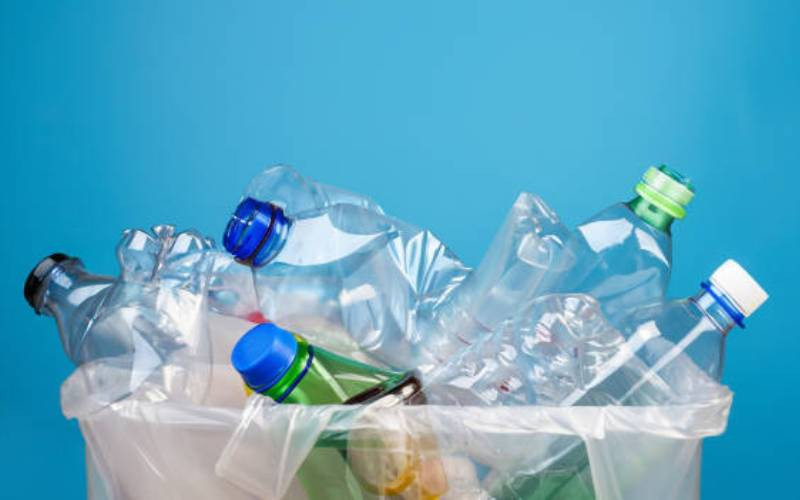
In March 2022, the United Nations Environment Assembly adopted resolution 5/14 towards addressing plastic pollution. The adoption illustrates how plastic pollution is a serious environmental problem at a global scale. It affirms the urgent need to strengthen global coordination, cooperation, governance and immediate action toward its long-term elimination.
The third session of the Plastics Intergovernmental Negotiation Committee in Nairobi, aims to establish a global commitment, promote sustainable practices, and eliminate plastic pollution with the involvement of stakeholders; scientists, lobby groups academia, and communities. Initially, the treaty centered on the visible and physical waste management crisis of plastics. However, lobby groups have been calling for a plastic treaty that goes beyond the visible impacts to address threats brought by chemicals in plastics that continue to pose a threat to health and the environment.
Subscribe to our newsletter and stay updated on the latest developments and special offers!


 Prefer the Standard on Google








 join
join