×

The Standard e-Paper
Smart Minds Choose Us
 The Standard Group Plc is a
multi-media organization with investments in media platforms spanning newspaper
print operations, television, radio broadcasting, digital and online services. The
Standard Group is recognized as a leading multi-media house in Kenya with a key
influence in matters of national and international interest.
The Standard Group Plc is a
multi-media organization with investments in media platforms spanning newspaper
print operations, television, radio broadcasting, digital and online services. The
Standard Group is recognized as a leading multi-media house in Kenya with a key
influence in matters of national and international interest.
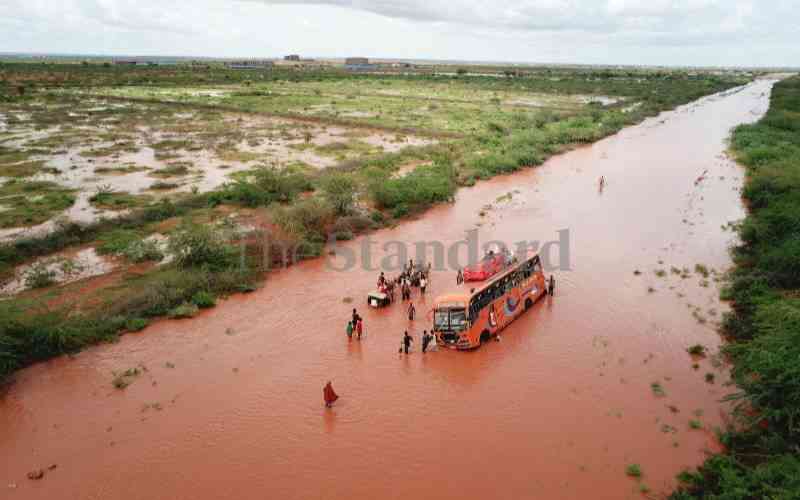
This year's long rain season is with us, and it is a welcome relief. The reality is that, the rain will either be used rewardingly or disappear into the wilderness. The agriculture sector uses the largest amount of water - about 80-90 per cent of physical water resources. This is mainly through irrigation systems. However, rain-fed agriculture is today still the most common food production system.
About 95 per cent of agricultural land in sub Saharan Africa (SSA) is under rain-fed system. Irrigated food production system covers only a small portion. Furthermore, rain-fed agriculture feeds over 60 per cent of population in SSA. The rain-fed agriculture in SSA will remain an important source of food and fodder, now and beyond. Yet it operates under continuously variable rainfall pattern.
Subscribe to our newsletter and stay updated on the latest developments and special offers!








 join
join