×

The Standard e-Paper
Fearless, Trusted News
 The Standard Group Plc is a
multi-media organization with investments in media platforms spanning newspaper
print operations, television, radio broadcasting, digital and online services. The
Standard Group is recognized as a leading multi-media house in Kenya with a key
influence in matters of national and international interest.
The Standard Group Plc is a
multi-media organization with investments in media platforms spanning newspaper
print operations, television, radio broadcasting, digital and online services. The
Standard Group is recognized as a leading multi-media house in Kenya with a key
influence in matters of national and international interest.
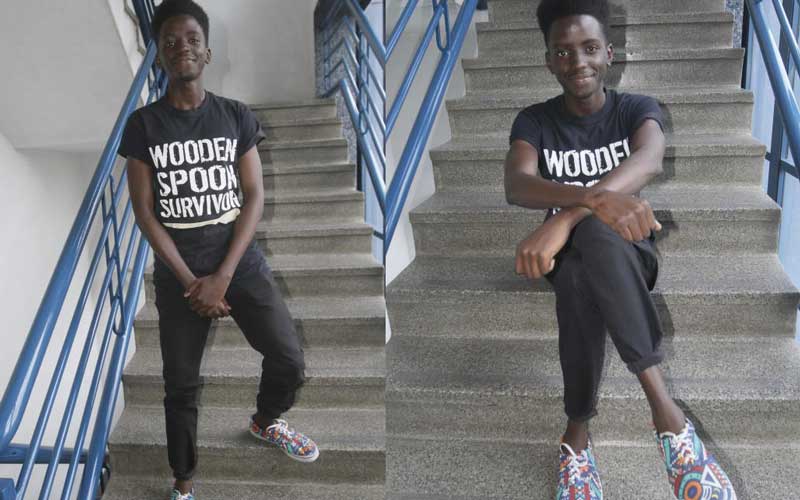
My mother tells me that when I was one-year-old, I started experiencing joint pains. At the time I was living with some relatives in Bungoma while she lived and worked in Nairobi. She couldn’t afford to raise me in the city. Soon, I learnt to walk but when the pain set in, I couldn’t move and my bewildered aunts would take me to the hospital where they would put me in a cast thinking that I had broken a leg or an arm.
One day while visiting my mum in Nairobi at the age of 5, I experienced one of these attacks and I was rushed to Kenyatta National Hospital where tests revealed that I was suffering from sickle cell anaemia. I was put on daily medication and I went back to the village where I continued to manage my condition. Medics had said it couldn’t be treated. At age 10, I moved to a school in Nairobi since mum had by then become financially stable. My classmates were very fascinated by the fact that I was always carrying medicine to school and my mum; in a bid to help me escape the stigma, sent me to a different school. Unfortunately, a teacher, obviously naive to my condition, announced in front of the whole class that I had blood cancer. He was trying to explain the reason why I was always away from school. Back then, I would be in hospital for at least two weeks in a month. Despite all that, I pushed myself really hard and always posted good grades. In high school, other students despised me because I was allowed to keep my hair long while they had to get clean shaves. The hair on my head kept me warm. Stress, cold and a lot of heat translate to a lot of pain in people with sickle cell anemia. Also exhaustion and too much excitement can plunge one into deep pain.
Subscribe to our newsletter and stay updated on the latest developments and special offers!


 Prefer the Standard on Google






 join
join