×

The Standard e-Paper
Stay Informed, Even Offline
 The Standard Group Plc is a
multi-media organization with investments in media platforms spanning newspaper
print operations, television, radio broadcasting, digital and online services. The
Standard Group is recognized as a leading multi-media house in Kenya with a key
influence in matters of national and international interest.

Audio By Vocalize
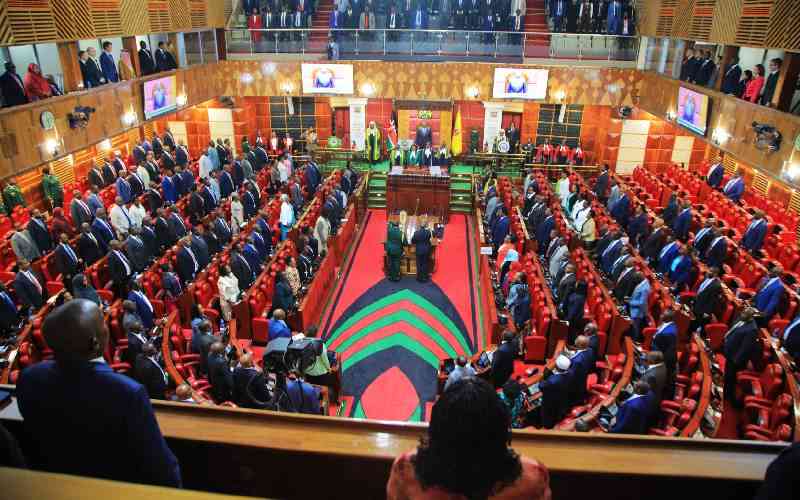
In 41 pages, government achievements were highlighted by President William Ruto using personalisation to connect with citizens or voters from different parts of the country.
Such personalisation is common in presidential speeches. The economic achievements are linked to the bottom-up economic model (BETA).
Last year’s speech was 18 pages. The quick reference to Session Paper 10 and its consequences reinforces the usawa theme and adds some emotion to the speech. Is that a coded message? Would Gen Z see the link?
The speech boldly states that the new Constitution and Vision 2030 did not bring the expected changes to mama mboga, farmers’ joblessness, youth, jua kali and other hustlers. Building another case for usawa?
Perhaps attuned to the national mood, the president turns to the cost of living, giving good macro data. Why is the economic growth figure not given, but changes in inflation, interest rates, exchange rate and foreign exchange reserves are given? That data is for the elite; he quickly turns to Wanjiku.
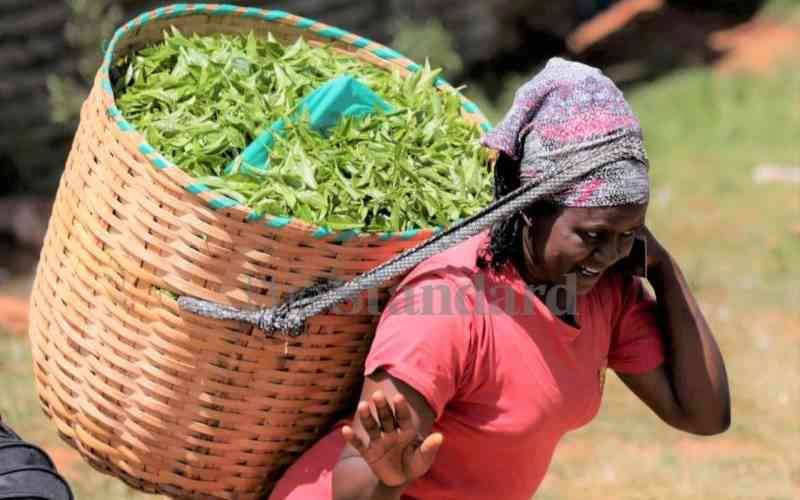
He addresses farmers and personalises it through careful choice of names. He then paints a rosy picture of farming; why not go beyond seeds and fertiliser subsidies? What of more technology and subdivision of land?
Why was GMO (genetically modified organism) left out? Water and irrigation, with more dams and 2.5 million acres to be irrigated, are pointed out.
Time frame? He then turns to pastoral communities and the blue economy, with animal insurance and fishing. Deep-sea fishing? New markets for meat and fish abroad?
Next is marketing and processing, with markets and aggregation parks. 15 parks have been completed. The rest? How do we link them to global supply chains?
The general philosophy is captured aptly: “More affordable food for consumers and higher incomes for producers. “These are two sides of the same national undertaking: Managing the cost of living.” Is it that simple?
Data on Social Health Authority (SHA) registration is given just like last year. What about operational challenges and the one-off payment when one is only sick? What about debt payments to service providers like hospitals?
Education comes next with recruitment of teachers; how are they recruited? Distribution? Higher education funding is still teething.
Higher budget for education. What about returns? Parents still pay extra costs like uniforms. What about overcrowding and the shift to private education, particularly in urban areas?
The heart of Rutonomics is housing linked to job creation. Names of house owners again, emotional link to voters? Over 1.1 million jobs created by affordable housing - more than all civil servants in Kenya.
Add 305, 000 jobs in the digital economy and 707,000 abroad. Kenyans should be choosing jobs. Why are graduates going through multiple internships?
Stay informed. Subscribe to our newsletter
Inflation and remittances should be up unless these are voluntary jobs. With such inflow, the shilling should be stronger, and rent should be falling.
Joblessness is then linked to entrepreneurial training like National Youth Opportunities Towards Advancement (NYOTA). Data on money given out; data on jobs created and sectors would help.
Some circularity in the speech or emphasis?
More on lowering the cost of living or stimulating the economy; pending bills to be paid. They were there in the Jubilee government.
Tax exemption for earnings below Sh32,333. Will they feel it? Tax exemption on land transactions less than Sh1 million. Who is targeted by this? Why tax exemption on mobile phones?
Usawa returns with questions; who is benefiting? Where is development taking place? How is opportunity accessed? An appeal to voters?
More issues get into speech: patriotism through paying the housing levy, SHA, and building markets. We help citizens. We don’t know, just like taxes?
Has Kenyan patriotism and resilience ever been questioned? The mood on the ground?
Hustler’s Funds and access to credit are mentioned.
Opportunities are not created by the availability of credit only; we need economic growth driven by innovation and national confidence.
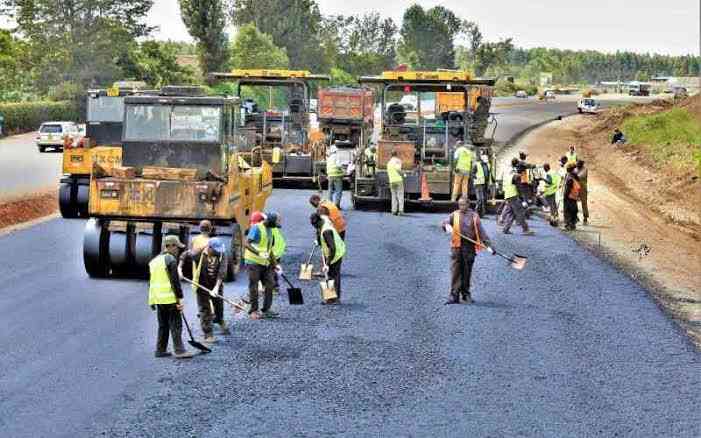
Roads are seen as creating opportunities. But it's more than that. What do we transport on the roads? What next after roads?
The Japanese and Germans have roads; what are their economic activities? Roads are enablers, not an end by itself, you can starve living next to a road.
A bit of repetition, or is it emphasis? Funding education; Bills in parliament; how will they change funding and link to the job market. NYOTA, Access to Government Procurement Opportunities (AGPO), land titles and the end of ID discrimination in the North Eastern found some space too.
Devolution comes late with money to counties: What is the county contribution? When will counties become centres of economic growth?
More money to go to the roads through the National Infrastructure Fund and savings for the next generation through the sovereign wealth fund. And more savings through the National Social Security Fund.
State of pensions?
Road projects are highlighted and geographically distributed. Add the standard gauge railway to western Kenya and expansion of the Jomo Kenyatta International Airport?
Will the target of 10,000 megawatts lower the cost of production and power bills?
Hospitality and creative industry come late with the Talanta Stadium and others, Bomas Convention Centre, and co-hosting the Africa Cup of Nations and jobs created.
Education reforms keep returning: “The legislation provides for deliberate investment in research, science, technology and innovation.” Great in spirit, let’s see the money.
The 2024 protests and compensation revisited, still an emotional issue with 2027 coming.
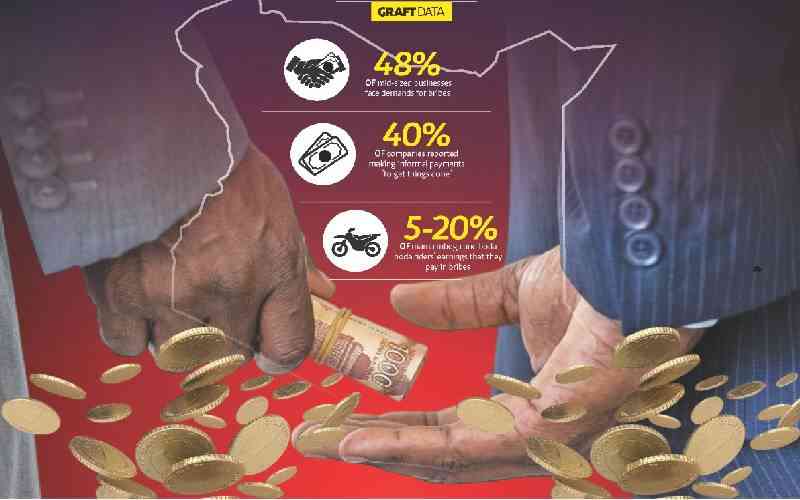
The last items should have started: Transformation through integrity while the cost of corruption is acknowledged with mitigations; digitalisation, conflict of interest act and no politician on boards and treasury single account. Great in spirit: reality?
Vision 2060 comes at the end to actualise the Kenyan dream with a punch: " To those of us in leadership, let us bring to this national task the same discipline, sacrifice and determination that millions of Kenyans bring to their work every day” One wishes that was the reality.
Verdict on speech: broad, sweeping, thin on specifics: if you ask any Kenyan what was there for him or her in the 2026 speech, it might be hard to answer. Pitching for 2027 detected. Economic reality on the ground is not addressed. What is your take?


Subscribe to our newsletter and stay updated on the latest developments and special offers!