×

The Standard e-Paper
Fearless, Trusted News
 The Standard Group Plc is a
multi-media organization with investments in media platforms spanning newspaper
print operations, television, radio broadcasting, digital and online services. The
Standard Group is recognized as a leading multi-media house in Kenya with a key
influence in matters of national and international interest.

Audio By Vocalize
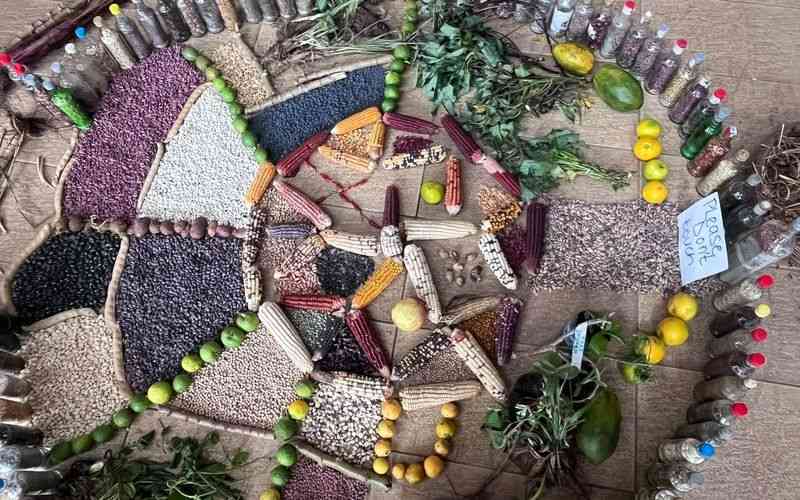
Kenya has lost approximately 30 per cent of its indigenous crop varieties over the past two decades, raising concerns about the country's ability to safeguard food security and withstand the effects of climate change.
The loss comes amid growing dependence on imported commercial seeds, with farmers increasingly relying on foreign suppliers for planting materials instead of locally preserved varieties.
Seed Savers Network Director Daniel Wanjama warned that the continued marginalisation of indigenous seeds was eroding agricultural biodiversity at a time when climate change was placing increasing pressure on food production.
Citing research conducted by the organisation in Kenya, Wanjama said traditional crop varieties had sustained communities for generations and provided an important source of resilience against changing weather patterns.
"We cannot survive climate change without our agricultural biodiversity," he warned.
Wanjama claimed that Kenya imports up to 97 per cent of its vegetable seeds and more than 70 per cent of its maize seed requirements, exposing farmers to international supply disruptions and rising production costs.
The concerns were raised during the First East African Indigenous Seeds Conference, which brought together lawmakers, farmers, researchers and development partners to discuss the future of traditional seed systems.
Catherine Foss, Director of the Rosa Luxemburg Foundation's East Africa Office, said indigenous seeds had sustained communities because they were adapted to local climatic conditions and people's food needs.
"These are the seeds that have fed humankind since the very beginning. They have developed over time, adapting to climate issues and the needs of human beings," she said.
Foss criticised restrictive seed regulations and the growing influence of large agricultural companies, arguing that farmers should retain the freedom to save, replant and exchange traditional seeds.
She warned that some commercial hybrid varieties leave farmers dependent on suppliers for fresh planting materials every season, while requiring additional fertilisers and chemical inputs.
East African Legislative Assembly Member of Parliament David Alasankok called for stronger legislation to protect indigenous seeds, warning that dependence on multinational companies could threaten food production if international supplies were disrupted.
"Our local seeds have been replanted for centuries. They are resistant to pests and drought, and they are very resilient. We need to protect them so that we can feed our people," he said.
Alasankok disclosed that the Seed and Plant Varieties Bill, 2025, was before the legislative process and that discussions from the conference would inform possible amendments.
He added that lawmakers intended to initiate a separate legislative process to protect indigenous livestock breeds.
Stay informed. Subscribe to our newsletter
Wanjama called for reforms to Kenya's seed laws to recognise traditional farmer-managed systems and distinguish them from commercial seed production.
Participants urged governments to increase investment in indigenous seed systems and guarantee farmers the freedom to preserve and exchange traditional varieties, warning that continued biodiversity loss could leave the country increasingly vulnerable to climate shocks and external supply disruptions.





Subscribe to our newsletter and stay updated on the latest developments and special offers!