×

The Standard e-Paper
Kenya’s Boldest Voice
 The Standard Group Plc is a
multi-media organization with investments in media platforms spanning newspaper
print operations, television, radio broadcasting, digital and online services. The
Standard Group is recognized as a leading multi-media house in Kenya with a key
influence in matters of national and international interest.
The Standard Group Plc is a
multi-media organization with investments in media platforms spanning newspaper
print operations, television, radio broadcasting, digital and online services. The
Standard Group is recognized as a leading multi-media house in Kenya with a key
influence in matters of national and international interest.

Audio By Vocalize
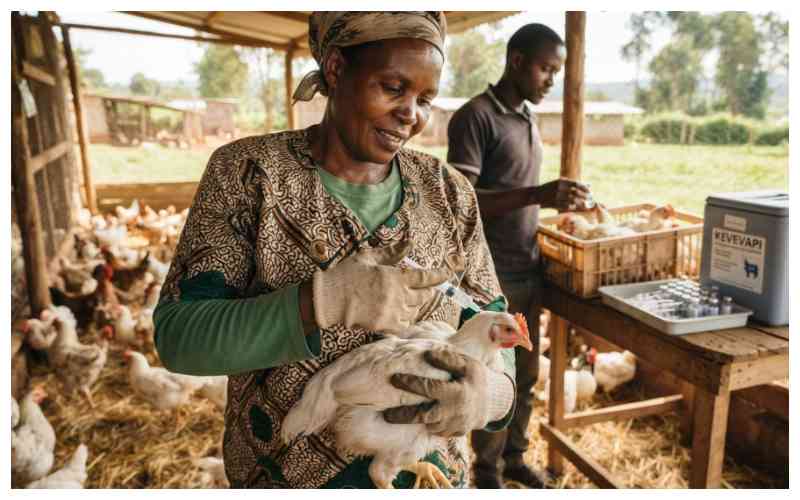
Whether you keep five chickens in your backyard or 5,000 birds on a commercial farm, vaccination is one of the most important investments you can make.
It does not matter whether your birds are indigenous, improved kienyeji, layers, or broilers raised for meat.
Every flock needs protection from common poultry diseases found in your area. Healthy birds grow faster, produce more eggs, and give farmers better profits.
Vaccination has been used successfully for more than 200 years and remains one of the most effective and affordable ways of preventing disease in both animals and people.
Instead of waiting for birds to become sick and spending money on treatment, vaccination prepares the birds' immune system to fight diseases before they occur.
Prevention is always cheaper than cure. The first vaccination many chicks receive is against Marek's disease. This vaccine is normally given at the hatchery when chicks are one day old.
Farmers should, therefore, buy chicks from reputable hatcheries that follow proper vaccination programmes.
Other vaccines are usually given either at the hatchery or later on the farm, according to the age of the birds and the disease risks in that area.
Because vaccination schedules may differ depending on local disease challenges, every farmer should seek advice from a registered veterinarian or qualified animal health professional before beginning a vaccination programme.
Broiler chicks are commonly vaccinated at the hatchery against Gumboro disease, Newcastle disease, and Infectious Bronchitis.
These early vaccinations provide the chicks with protection during the critical first weeks of life. A booster vaccination against Newcastle disease and Infectious Bronchitis is normally given when the birds are about 12 to 14 days old using either eye drops or drinking water.
However, not all hatcheries provide the same vaccination programme. Farmers should always ask their chick supplier which vaccines have already been given and whether any booster vaccinations will be required on the farm.
Layer chicks and improved kienyeji birds usually receive Marek's disease vaccination at the hatchery. Many commercial hatcheries also vaccinate them against Newcastle disease, infectious bronchitis, and Gumboro disease before they leave for the farm.
After arrival, farmers continue with booster vaccinations, according to the recommended schedule. Newcastle disease and infectious bronchitis boosters are commonly given several times during the growing period and later every three months while the birds are laying.
Gumboro vaccination is usually repeated during the first few weeks of life, while fowl typhoid vaccination is often given at about six to eight weeks of age by injection.
Stay informed. Subscribe to our newsletter
Fowl pox vaccination is generally administered at around five weeks using the wing stab method.
Vaccines must be handled correctly to work effectively.
They should always be stored at the recommended cold temperatures and protected from direct sunlight and heat.
Once mixed, vaccines should be used immediately because they lose their strength if left for too long. Dirty equipment, poor handling, or incorrect administration may result in poor immunity, leaving birds vulnerable to disease even after vaccination.
For this reason, vaccination should be carried out by a qualified veterinarian or para-veterinarian.
Vaccinating chicks at the hatchery offers several important advantages.
The vaccines are prepared and administered by trained personnel using specialised equipment that ensures every chick receives the correct dose.
Strict quality control is maintained, and the vaccine cold chain is carefully protected from storage to administration.
Hatchery vaccination also gives almost every chick protection before it is exposed to disease on the farm.
Good vaccination should always be combined with proper biosecurity, clean housing, quality feed, clean drinking water, and regular monitoring of bird health.
Vaccination alone cannot overcome poor management. A clean environment and good nutrition help birds develop stronger immunity and achieve their full production potential.
The message for every poultry farmer is simple: follow the recommended vaccination programme for your flock, buy chicks from reliable hatcheries, and seek guidance from qualified animal health professionals whenever necessary.
A well-vaccinated flock is healthier, grows better, produces more eggs or meat, suffers fewer disease outbreaks, and ultimately delivers higher profits.
Vaccination is not an expense—it is an investment in the success and sustainability of your poultry enterprise.
[Dr Messo is the company veterinarian, Kenchic; messo@kenchic.com]








Subscribe to our newsletter and stay updated on the latest developments and special offers!