×

The Standard e-Paper
Join Thousands Daily
 The Standard Group Plc is a
multi-media organization with investments in media platforms spanning newspaper
print operations, television, radio broadcasting, digital and online services. The
Standard Group is recognized as a leading multi-media house in Kenya with a key
influence in matters of national and international interest.
The Standard Group Plc is a
multi-media organization with investments in media platforms spanning newspaper
print operations, television, radio broadcasting, digital and online services. The
Standard Group is recognized as a leading multi-media house in Kenya with a key
influence in matters of national and international interest.

Audio By Vocalize
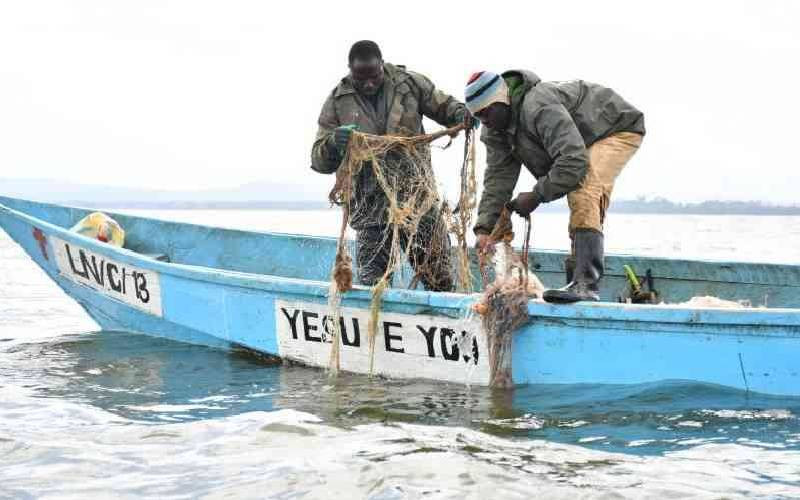
Fishermen on Lake Naivasha have backed proposed temporary restrictions on fishing in areas with declining stocks but rejected a blanket ban on the lake to allow fish regeneration.
This comes after Kenya Marine and Fisheries Research Institute (KEMFRI) raised concerns that the annual fish catch in the lake had fallen from 3,400 metric tonnes in 2019 to 1,050 metric tonnes in 2025.
Speaking during a stakeholders' consultative meeting on the proposed amendments to the Fisheries Act in Naivasha, Rajab Omari, Chairman of Tarambeta Beach, said the proposed closure should not be read as shutting down fishing altogether.
He assured that any temporary suspension would follow evidence of declining stocks, with the Kenya Fisheries Service, the county government and stakeholders jointly agreeing on the appropriate response.
Omari said fishermen should be given adequate notice before any restriction takes effect to ensure compliance and coordinated management of the lake resources.
On illegal fishing gear, he said fishermen had requested for more time to comply with the regulations.
Karagita Beach Chairman Jeremiah Mutiso said fishermen had initially opposed the closure provision during public participation but have now accepted the temporary restrictions, lasting two to three months to allow fish stocks to recover.
Mutiso said that fishing laws passed by legislative bodies should take effect immediately upon enactment, warning that delays in implementation breed uncertainty.
He called for strict surveillance to curb a resurgence of illegal fishing and urged licensed fishermen to surrender banned nets.
Josephine Wangui, called for practical enforcement of fishing regulations, including on permitted net sizes and types, saying requirements should not remain merely on paper.
She defended fish restocking programmes, citing positive past results, and said fishermen should be involved in the exercise whenever stocks decline.
On the proposed ban, Wangui urged authorities to designate specific breeding zones where fishing would be completely prohibited.
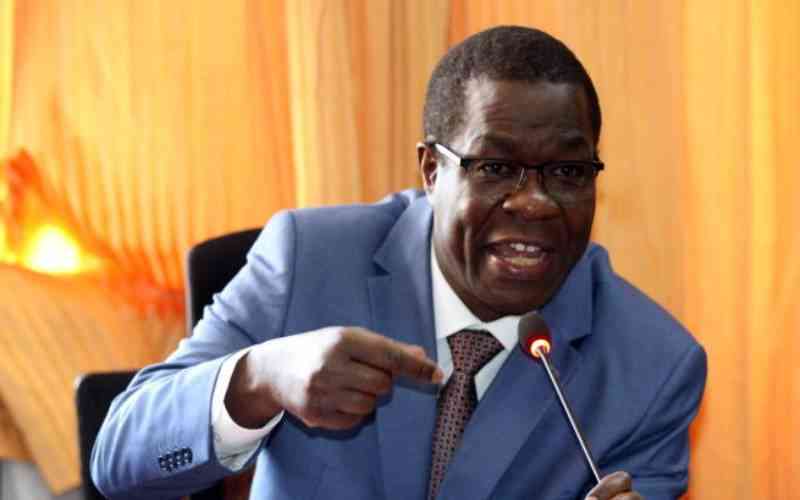
Nakuru County Executive Member Committee for Agriculture, Livestock, Fisheries and Veterinary Services, Leonard Bor said the fishing ban should be enforced where fishing stocks have declined and in breeding areas.
Bor assured that the county was working with all stakeholders in the sector to root out illegal and undersized fishing gear to ensure sustainable exploitation of the lake resources.
Stay informed. Subscribe to our newsletter
He revealed that the county had secured enough resources for fingerlings restocking at the various lakes in the county to replenish the declining fishing stocks.
Stakeholders agreed that stronger enforcement, protection of breeding areas, regulation of fishing gear and timely implementation of the law would be critical to sustainable fishing on Lake Naivasha and to safeguarding local livelihoods.








Subscribe to our newsletter and stay updated on the latest developments and special offers!







 join
join