×

The Standard e-Paper
Kenya’s Boldest Voice
 The Standard Group Plc is a
multi-media organization with investments in media platforms spanning newspaper
print operations, television, radio broadcasting, digital and online services. The
Standard Group is recognized as a leading multi-media house in Kenya with a key
influence in matters of national and international interest.

Audio By Vocalize

The Kenyan real estate market is changing, and one of the most interesting shifts is how we think about the spaces where we live, work, shop and spend our leisure time.
As a property manager, I have seen first-hand how consumer expectations have evolved. People are no longer simply looking for a place to buy what they need.
Increasingly, they want convenience, experiences, connection and environments that support healthier, more balanced lifestyles.
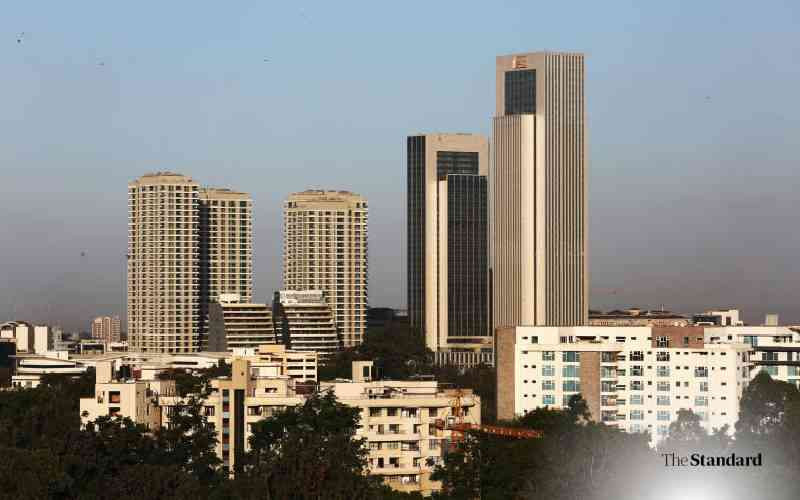
This is reshaping the role of modern shopping malls. Kenya’s real estate sector has continued to expand, with the Kenya National Bureau of Statistics reporting a 33.7 per cent increase in sector output between 2019 and 2023.
At the same time, developers are responding to demand for integrated, amenity-rich developments that bring different aspects of everyday life closer together.
This tells us that the future of retail is not simply about putting more shops under one roof. It is about creating places that make everyday life more convenient and meaningful.
Crystal Rivers Mall in Athi River provides an example of this evolving approach.
As the area continues to grow as a residential and commercial node, the opportunity is to create a destination where people can shop, work, access essential services, eat, meet friends and family, and participate in activities within their community.
Health and wellness are becoming an important part of this proposition.
People are becoming more conscious of their health and are looking for practical ways to incorporate physical activity into their daily lives.
For many families, this does not necessarily mean joining a gym. It can mean taking an evening walk, participating in a community run or having children play football outdoors.
This is where malls play a role beyond retail. A well-managed commercial destination can provide a convenient setting for people to be active and connect with others.
It can become a place where a parent brings their children for an outdoor activity, meets neighbours and still has access to everyday shopping and services.
This thinking informed Crystal Rivers Mall’s inaugural Community Run that brought residents, families, businesses and members of the wider Athi River community together around health, wellbeing and connection.
For participants, it offers an opportunity to exercise, spend time outdoors, meet others and establish healthier habits. For families, walks, runs and football create opportunities for parents and children to be active together.
Stay informed. Subscribe to our newsletter
For the wider Athi River community, these activities create shared experiences and help strengthen a sense of belonging. A growing town needs not only houses, offices and shops, but also places where people can come together and enjoy their neighbourhood.
There is a direct commercial benefit. Community activity creates additional reasons to visit the mall. Someone who comes for a morning run may stay for breakfast, buy groceries, meet friends, access healthcare or use another service.
A parent bringing children for an activity may combine that visit with shopping or dining.
These additional visits matter to tenants because retail performance depends not only on how many people come through the doors, but also on how often they return and what they do while they are there.
For tenants, regular community programming can create a more active trading environment and opportunities to engage customers beyond a conventional shopping transaction.
It also helps position the mall as part of people's routines rather than somewhere they visit only when they have a specific purchase to make.
Crystal Rivers intends to build on the inaugural run with more walks, runs and other outdoor community activities, creating a consistent programme around active living and community connection.
For investors, this has a practical implication. A growing community destination can support the fundamentals that make a retail property commercially sustainable: consistent footfall, repeat visits, a broader customer catchment, stronger tenant engagement and greater diversification of reasons for people to visit.
It also makes the asset relevant to a wider range of businesses. Supermarkets, healthcare providers, restaurants, fitness and lifestyle operators and other service businesses benefit from being located where people already live, work and spend their leisure time.
As the surrounding residential population and economic activity grow, a well-positioned mall can become an important commercial anchor for the area.
The investment case is not simply about owning retail space. It is about being part of a growing ecosystem. When a mall becomes integrated into the daily lives of its community, it can strengthen relationships among people, tenants, and property value.
Community engagement should not be treated as a once-a-year marketing activation but be part of how modern commercial properties are positioned and managed.
The question we should increasingly ask about our malls is not simply, “What can I buy here?” It is also, “How does this place make my life more convenient, healthier and more connected?”
For investors, the question is: “Does this destination give people more reasons to come, return and spend, and does it have the potential to grow with the community around it?”
The future of retail will increasingly be shaped by destinations that can answer both questions: places where people can shop, work, live, play and connect, while creating sustainable commercial value for the communities, tenants and investors they serve.
-The author is a property manager at Knight Frank Kenya - Crystal Rivers Development.




Subscribe to our newsletter and stay updated on the latest developments and special offers!