×

The Standard e-Paper
Smart Minds Choose Us
 The Standard Group Plc is a
multi-media organization with investments in media platforms spanning newspaper
print operations, television, radio broadcasting, digital and online services. The
Standard Group is recognized as a leading multi-media house in Kenya with a key
influence in matters of national and international interest.
The Standard Group Plc is a
multi-media organization with investments in media platforms spanning newspaper
print operations, television, radio broadcasting, digital and online services. The
Standard Group is recognized as a leading multi-media house in Kenya with a key
influence in matters of national and international interest.

Audio By Vocalize
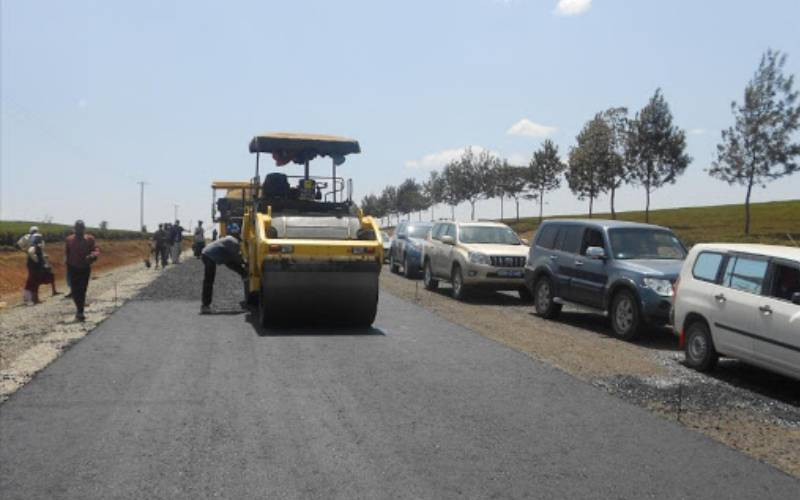
Kenya faces an infrastructure investment deficit of about US$ 2.1 billion annually. The result has been expanded borrowing and fiscal pressure to bridge the gap. Over the past ten years, the number of tarmacked roads increased from 13,000km in 2015 to about 25,000km in 2025.
Access to piped water by households nationally improved from 30 to about 41 per cent. Four in five households have access to electricity, driven by the Last Mile Connectivity project.
Thus, the public discussion about the National Infrastructure Fund (NIF) is framed through these investments and consequent debt pressures. Others have argued about the legal provisions of the Fund and its functions thereof. These are legitimate framings, high debt, not well managed, poses challenges to inter-generational transfers of benefits.
Indeed, good infrastructure raises productivity, lowers production costs, and improves living standards. Indeed, infrastructure capacity grows in step with economic output-a 1 per cent increase in the stock of infrastructure is associated with a 1 per cent increase in GDP across all countries.
But coping with infrastructure’s future challenges involves more than a numbers game of drawing up inventories of infrastructure stocks and plotting needed investments based on past investments or Net Return on Investment. Lacking in these discussions is the wider development foresight of the National Infrastructure Fund.
The next development race shall be won by those prepared to leap into the digital race, driven by Artificial Intelligence (AI). AI will be the next foundational infrastructure shaping how countries progress in healthcare provision, education, agricultural productivity, and climate change mitigation. Some countries shall jump ahead; others will be left behind.
How then can Kenya bridge the digital gap, just as the Last Mile Connectivity project has done with electricity access? The National Infrastructure Fund is a timely institution to support the provision of digital infrastructure. Despite the misnomer, the digital world is as physical as your regular electronic connectivity.
The infrastructure is considered foundational to Kenya’s digital economy, underpinning payment systems, services, and platforms upon which the government, businesses, and citizenry increasingly interact. There is evidence that high-speed internet in Africa (Kenya included) led to a 10% increase in the volume of greenfield FDI projects.
But much of the talk about the digital economy has been driven by private incentives, venture capitalists, and software engineers looking for the next big disruptor. This lacks the necessary guardrails that merge the public good and private interests of the digital revolution.
A rapid investment in digital infrastructure would require different funding instruments. More recently, blended finance-crowding, both philanthropy, private, and public capital, is favored in the face of receding Overseas Development Assistance (ODA).
Valu-chain financing is another option. A singular public institutional framework is best suited to deliver the necessary coordination gaps, risk sharing, and safeguard the public good.
Additionally, Kenya faces escalating climate risks, a dependence on rain-fed agriculture, and vulnerability to extreme weather. Other threats include recurrent, intensifying droughts and floods (the recent one in the capital city), pest outbreaks, which threaten food security, economic growth, and existing infrastructure. Climate mitigation and adaptation strategies increasingly are dependent on the availability, resilience, and governance of digital systems.
Thus, investing in sustainable infrastructure poses wider welfare benefits to the country: Agriculture and food systems that include scaling up climate-smart agriculture, reinforcing climate services, and early-warning systems.
By investing in the digital infrastructure, NIF boosts our long-term development prospects. And conferring equity to marginalised communities and future generations, while creating a viable path out of the current fiscal pressures. This creates enough fiscal space to invest in other critical public goods, including security, health, and education.
-Dr. Rutto is the KNCCI President, and Dr. Otung is Senior Regional Policy and State Capability Lead, AGRA West Africa
Stay informed. Subscribe to our newsletter




Subscribe to our newsletter and stay updated on the latest developments and special offers!








 join
join