×

The Standard e-Paper
Smart Minds Choose Us
 The Standard Group Plc is a
multi-media organization with investments in media platforms spanning newspaper
print operations, television, radio broadcasting, digital and online services. The
Standard Group is recognized as a leading multi-media house in Kenya with a key
influence in matters of national and international interest.
The Standard Group Plc is a
multi-media organization with investments in media platforms spanning newspaper
print operations, television, radio broadcasting, digital and online services. The
Standard Group is recognized as a leading multi-media house in Kenya with a key
influence in matters of national and international interest.

Audio By Vocalize
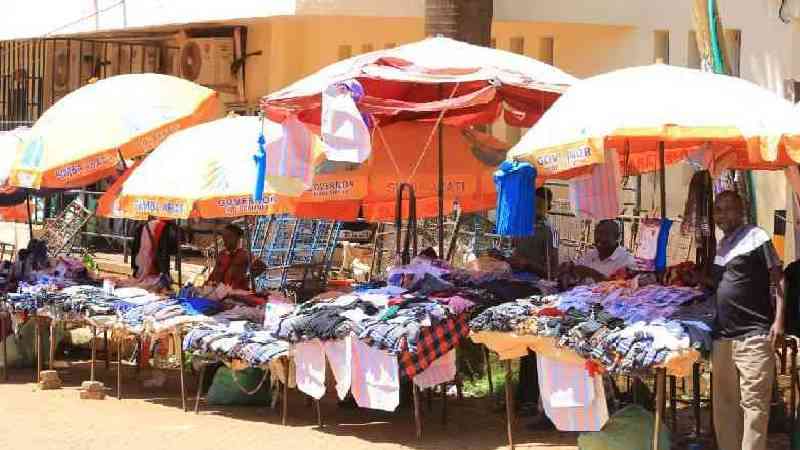
From independence, African states inherited economies that were politically centralised but economically thin. Production systems were weak, industrial capability limited, and fiscal space constrained.
Faced with the twin imperatives of political stability and social control, many governments adopted a governing logic that prioritised distribution over production. Over time, this logic hardened into institutional design. Poverty came to be treated not only as a social condition to be addressed, but as a political condition to be managed.
This is not to deny the reality of need, nor to dismiss the importance of relief. In societies marked by inequality and vulnerability, social support is necessary and morally defensible. The problem arises when relief substitutes for transformation, and when poverty reduction becomes episodic, symbolic, and politically mediated rather than structural and capability-building.
Across much of the developing world, poverty programmes gradually shifted from being bridges to productivity into instruments of political management. Handouts, grants, and empowerment initiatives proliferated, not primarily because they worked, but because they delivered immediate visibility, discretion, and political return. They allowed governments to demonstrate action without transferring power, and to relieve pressure without changing underlying structures.
This is where disorder and scarcity cease to be accidental. Fragmentation becomes functional. When interventions are small, scattered, and uncoordinated, they are easier to announce, easier to control, and harder to evaluate. They generate gratitude rather than autonomy, compliance rather than capability.
Kenya exhibits many features of this pattern. Over decades, successive administrations have expanded programmes that deliver cash, tools, or short-term opportunities to individuals and micro-groups, while under-investing in institutions that would allow effort to compound.
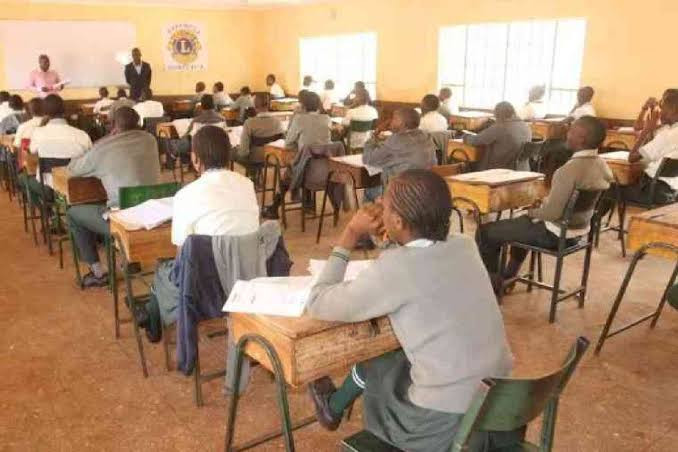
Schools struggle with capitation even as funds are disbursed elsewhere. Youth receive grants without industrial pathways. Empowerment forums multiply in the absence of firm capability, standards, or value chains. The result is not empowerment but dependence.
Such programmes are often defended as pragmatic responses to urgency. Yet their design reveals something more troubling. They bypass coordination because coordination reduces political discretion. They avoid sequencing because sequencing demands patience and discipline. And they resist learning, because learning exposes failure and constrains symbolic action.
In this context, poverty becomes politically useful. It justifies continuous intervention. It sustains brokerage. It keeps citizens engaged as beneficiaries rather than participants in production. Crucially, it weakens the emergence of autonomous firms, organised labour, and capable institutions, all of which would demand predictability rather than patronage.
The problem is not a lack of effort, ideas, or goodwill. It is a political design that manages poverty while deferring transformation. Until policy shifts from managing need to building productive capacity, handouts will continue to circulate, poverty will remain visible, and reform will remain perpetually postponed.
-The writer is a consultant in policy, strategy, and governance.





Subscribe to our newsletter and stay updated on the latest developments and special offers!








 join
join