×

The Standard e-Paper
Join Thousands Daily
 The Standard Group Plc is a
multi-media organization with investments in media platforms spanning newspaper
print operations, television, radio broadcasting, digital and online services. The
Standard Group is recognized as a leading multi-media house in Kenya with a key
influence in matters of national and international interest.
The Standard Group Plc is a
multi-media organization with investments in media platforms spanning newspaper
print operations, television, radio broadcasting, digital and online services. The
Standard Group is recognized as a leading multi-media house in Kenya with a key
influence in matters of national and international interest.

Audio By Vocalize
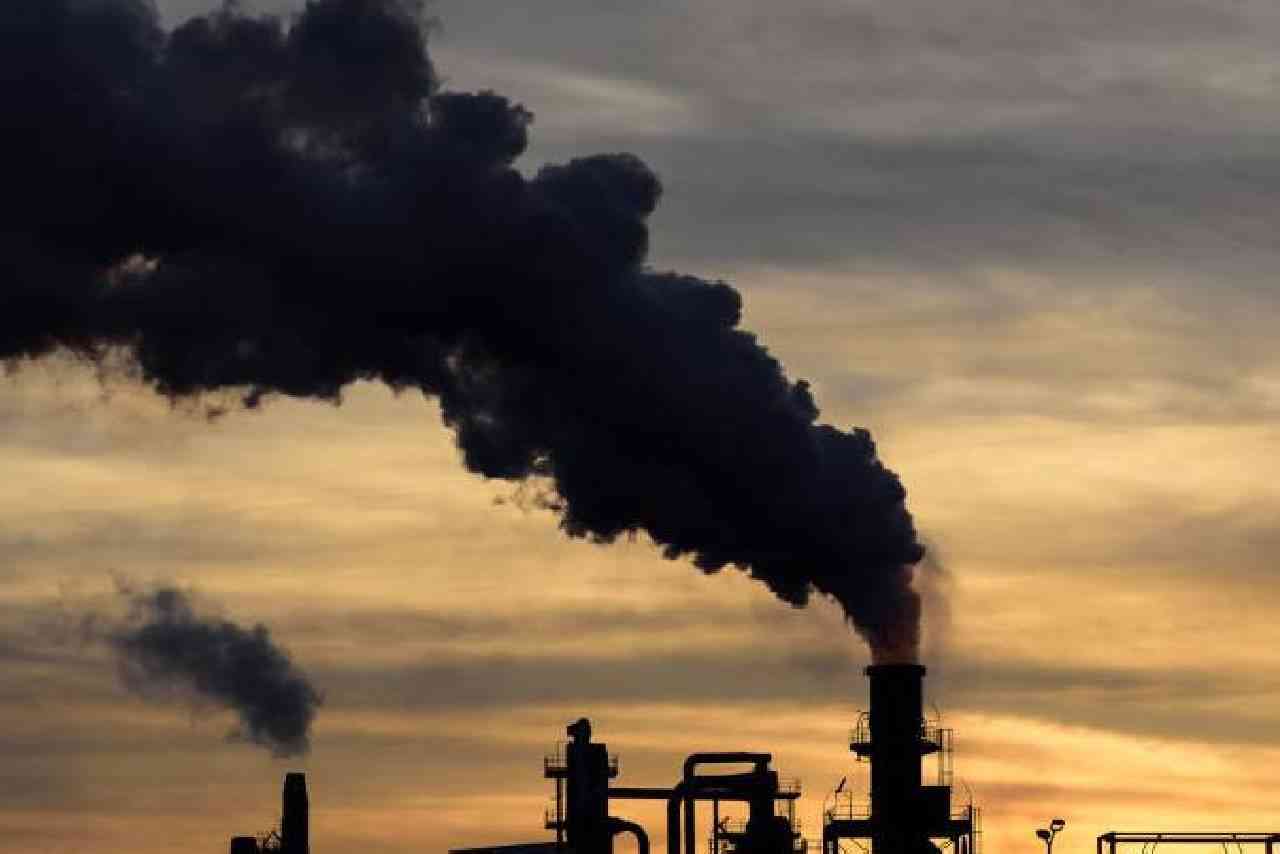
At COP30, leaders spoke boldly about ambition, responsibility, and urgency. Yet their declarations revealed a familiar gap, one where strong political intent struggles to survive in the absence of equally strong financial architecture.
Africa, once perceived as a region untouched by climatic extremes, is today warming faster than the global average. The consequences are seen in lives disrupted by drought and flood, livelihoods eroded by crop failure, which are witnessed by communities that have contributed almost nothing to the crisis now consuming them.
Among the pollutants driving this warming is methane. It is responsible for nearly one-third of the global temperature rise, but unlike carbon dioxide, it lingers in the atmosphere for only about 12 years. The short span means rapid mitigation efforts can slow global warming almost immediately.
Across Africa, methane emissions continue to rise not because governments lack commitment but because the systems required to measure, manage, and reduce emissions simply do not exist at sufficient scale. Data systems are incomplete while policy design struggles without the technical backbone needed to support it.
Aditionally lack of infrastructure to handle waste management and agricultural extension lags far behind ambition. Without adequate financing, adaptation costs climb higher each year, making delayed mitigation costly.
Methane mitigation offers the clearest and most cost-effective opportunities available today, for its potential spans every major sector of African development. Reducing methane from agriculture strengthens food systems and resilience. Capturing methane from waste turns rubbish into renewable energy while creating circular economy jobs. Fixing leaks in oil and gas infrastructure enhances energy security and reduces harmful air pollution. Expanding clean cooking solutions for the 900 million Africans without access to modern fuels can simultaneously reduce emissions, safeguard health, and protect forests. But none of this will happen at scale without a system designed to unlock it.
This is where the Super Pollutant Country Action Accelerator comes in: A fund designed to embed teams in government and pair institutional strengthening with targeted technical assistance around specific pollutants – not unlike the model of the Montreal Protocol, widely considered the most successful multilateral environmental agreement in the world. It provides coordinated support to countries developing inventories, strengthens institutions tasked with mitigation, offers predictable, grant-based finance for national planning, and prepares countries to access larger investments.
Although there is some coordination of efforts with over 159 countries that have signed the Global Methane Pledge, financial support has been uneven. Having one main investment increases efficiency and coherence, especially with streams from the Green Climate Fund, Global Environment Facility, African Development Bank, and the World Bank, transforming fragmented efforts into a coherent system capable of delivering measurable impact.
The Addis Ababa Declaration called explicitly for climate finance that is scalable, predictable, and rooted in justice. It demanded support for national adaptation and mitigation plans, and it emphasised the strategic importance of agriculture, clean cooking, waste management, green industry, and resilient infrastructure in all sectors deeply intertwined with methane. The Super Pollutant Country Action Accelerator fits squarely within this vision as an instrument aligned with Africa’s own priorities.
Ms Kombo is the communications advisor for the Centre for Environmental Justice and Development



Subscribe to our newsletter and stay updated on the latest developments and special offers!






 join
join