×

The Standard e-Paper
Home To Bold Columnists
 The Standard Group Plc is a
multi-media organization with investments in media platforms spanning newspaper
print operations, television, radio broadcasting, digital and online services. The
Standard Group is recognized as a leading multi-media house in Kenya with a key
influence in matters of national and international interest.
The Standard Group Plc is a
multi-media organization with investments in media platforms spanning newspaper
print operations, television, radio broadcasting, digital and online services. The
Standard Group is recognized as a leading multi-media house in Kenya with a key
influence in matters of national and international interest.
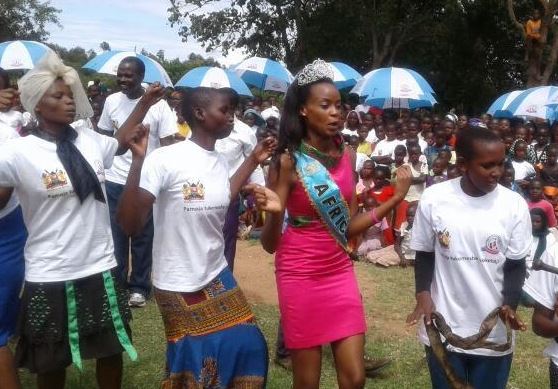
Every year, millions of girls and women around the world face the risk of undergoing female genital mutilation (FGM). The World Health Organisation (WHO) defines FGM as comprising “all procedures involving partial or total removal of the external female genitalia or other inquiry to the female genital organs for non-medical reasons”.
While the customs and traditions that propagate FGM differ from community to community, the practice is generally carried out between infancy and 15 years, and has severe socio-economic, physical, emotional, sexual and health outcomes, including death.
Subscribe to our newsletter and stay updated on the latest developments and special offers!











 join
join