×

The Standard e-Paper
Fearless, Trusted News
 The Standard Group Plc is a
multi-media organization with investments in media platforms spanning newspaper
print operations, television, radio broadcasting, digital and online services. The
Standard Group is recognized as a leading multi-media house in Kenya with a key
influence in matters of national and international interest.

Audio By Vocalize
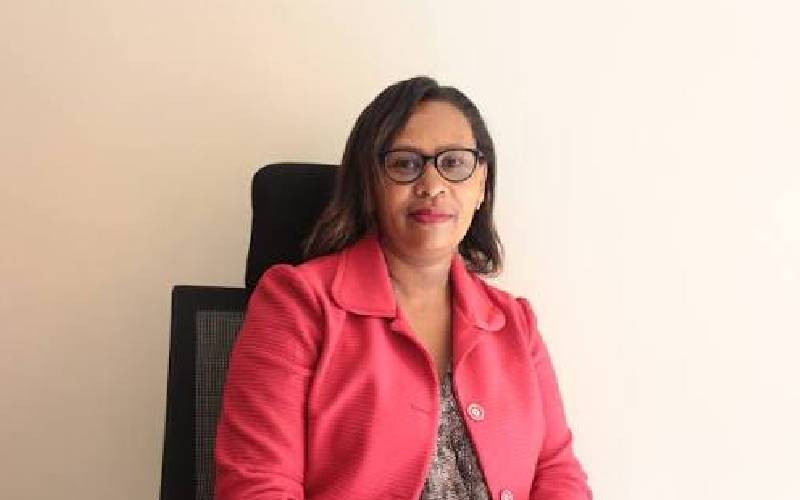
A parliamentary monitoring group is strengthening its oversight to stop the passing of punitive Bills sneaked into the National Assembly, Senate and county assemblies.
According to Mzalendo Trust, laws which too often do not serve the interest of Kenyans are being passed without public knowledge.
The organisation noted that such laws are enacted while the public is distracted by non-important issues.
“A great deal is happening in our legislative space, both good and bad, and much of it is lost in the noise and disruption. Laws are passed too fast, some receive good public input but the impact is not fully analysed before they are passed,” said Caroline Gaita, the executive director.
The organisation warned that this tread was a threat to democracy. “When that becomes a pattern, democracy does not have to be attacked through the front door. It can be eroded through the backdoor quietly, legally, one bill at a time,” she said.
Gaita cautioned that the legislations could have far reaching consequences.
In its 2026-2030 strategic plan unveiled yesterday, Mzalendo is enhancing its watchdog role, embarking on legislative intelligence to stop the erosion of democratic gains.
“Over the next five years, we hope to deepen into legislative intelligence through enhanced research capacity, monitoring and evaluation and the use of technology,” said Gaita.
The organisation pledged not to back down despite hostility from the legislative houses towards criticism.
“We need a Parliament willing to treat scrutiny not as hostility but as the other half of its own constitutional mandate,” said Gaita.
Most recently, the National Assembly was on the spot over the passing of amendments to the elections laws, when MPs were accused of removing the provision for livestreaming of presidential results.
Foreign Affairs Principal Secretary Korir Singoei applauded Mzalendo, calling upon Parliament to allow oversight institutions to do their work.
“Open government is not limited to the Executive. Parliament, civil society and citizens are all important in the process. Parliament must exercise its legislative and oversight functions, civil society must retain its independence to monitor, question and contribute,” said Dr Singoei.
He highlighted that critical role of civil society groups in governance and the need for collaboration.
Stay informed. Subscribe to our newsletter
“Kenya’s success depends on creating spaces where government and civil society can disagree without becoming adversaries.”
Mzalendo noted that they plan to move beyond sharing information on Bills to making the public participation meaningfully.
“We have learnt that access to information is not the same as influence or impact. An opportunity to participate is not the same as meaningful participation,” said Gaita.
The other pillars of their strategic plan are inclusive representation and civic engagement, scrutiny and accountability.
The call comes amid the debate on the Public Participation Bill, 2025, which was passed by the National Assembly and is currently before the Senate’s Standing Committee on Justice, Legal Affairs and Human Rights.








Subscribe to our newsletter and stay updated on the latest developments and special offers!