×

The Standard e-Paper
Smart Minds Choose Us
 The Standard Group Plc is a
multi-media organization with investments in media platforms spanning newspaper
print operations, television, radio broadcasting, digital and online services. The
Standard Group is recognized as a leading multi-media house in Kenya with a key
influence in matters of national and international interest.

Audio By Vocalize
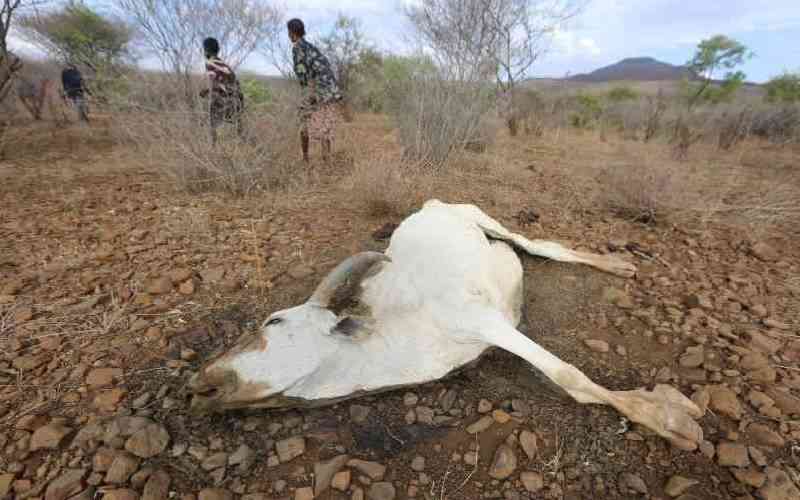
Save the Children has warned of a worsening humanitarian crisis facing children in Kenya, citing climate change, food insecurity, displacement and declining international aid funding.
The organisation says funding reductions have forced humanitarian agencies to scale down critical services, leaving thousands of vulnerable children at greater risk of malnutrition, disease and inadequate healthcare, particularly in northern Kenya.
In Turkana County, the number of mobile health and nutrition outreach programmes, which provide essential services to remote communities, has dropped by more than 80 per cent, from 158 in January 2025 to just 24 in October 2026.
The reduction has left hundreds of children living far from health facilities without access to essential medical and nutrition services. Interruptions in the supply of specialised nutrition products, including Ready-to-Use Supplementary Food (RUSF), have also affected the treatment of malnourished children.
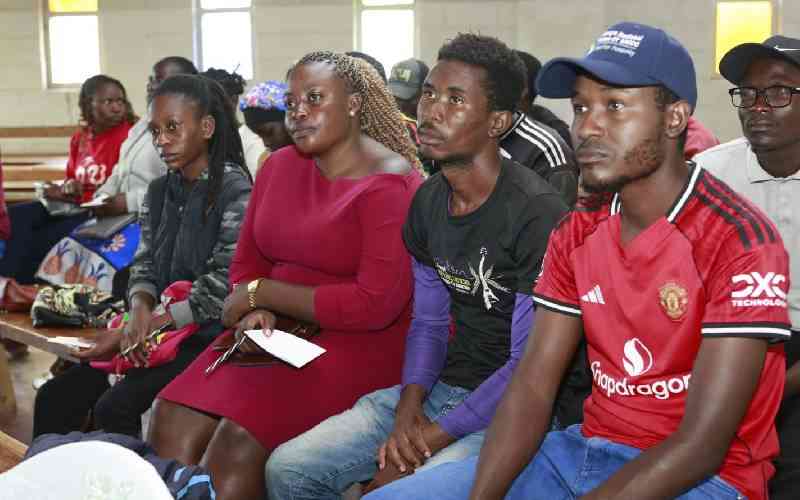
The warning follows a visit to Kenya by Save the Children US President and Chief Executive Officer Janti Soeripto and members of the organisation's Board of Trustees, who travelled to Turkana and Kakuma Refugee Camp to assess the humanitarian situation.
During the visit, the delegation met children, families, community leaders and humanitarian workers, witnessing the effects of prolonged drought, rising malnutrition, displacement and reduced aid funding.
Soeripto said communities were demonstrating remarkable resilience despite facing multiple challenges, urging the international community not to abandon vulnerable populations.
"The world must not turn away from communities facing the combined impacts of conflict, displacement, climate shocks and poverty," she said, calling for increased investment in community-led interventions.
The organisation has also raised concerns over the anticipated El Niño rains, warning that heavy rainfall and flooding could worsen the already fragile situation.
Potential flooding could displace families, destroy infrastructure, contaminate water sources and disrupt access to healthcare, education, nutrition and child protection services. Children could also face increased exposure to disease outbreaks and family separation during emergencies.
According to Save the Children, the growing humanitarian pressure is further compounded by the arrival of more than 40,000 people fleeing violence in neighbouring countries, increasing demand for basic services in northern Kenya.
In Marsabit County, approximately a quarter of the population is experiencing crisis and emergency levels of food insecurity, classified under Integrated Food Security Phase Classification (IPC) levels 3 and 4.
Meanwhile, Kakuma Refugee Camp is receiving approximately 500 new arrivals every week, most of them children escaping conflict.
Despite the challenges, Save the Children says some interventions are helping vulnerable communities cope with the crisis. These include Child Friendly Spaces in Kakuma, which provide protection and psychosocial support, and mobile health services in Lodwar offering malnutrition treatment, immunisation and maternal and child healthcare.
Stay informed. Subscribe to our newsletter
Save the Children Kenya Country Director Pornpun Jib Rabiltossaporn said sustained investment was necessary to strengthen local health systems, improve nutrition, secure water supplies and protect children.
"The children and communities of Turkana deserve more than short-term survival. We need sustained investment in solutions that strengthen local health systems, improve nutrition, water security and livelihoods, and ensure children are protected," she said.
The organisation is urging donors, governments and development partners to urgently increase funding for emergency response programmes and long-term resilience initiatives.
It says investments in healthcare, nutrition, water, livelihoods and locally led solutions will be essential in helping families withstand future climate shocks and reducing dependence on humanitarian assistance.
Save the Children has operated in Kenya since 1950, supporting programmes in health, nutrition, education, child protection and community resilience across the country.



Subscribe to our newsletter and stay updated on the latest developments and special offers!