×

The Standard e-Paper
Home To Bold Columnists
 The Standard Group Plc is a
multi-media organization with investments in media platforms spanning newspaper
print operations, television, radio broadcasting, digital and online services. The
Standard Group is recognized as a leading multi-media house in Kenya with a key
influence in matters of national and international interest.
The Standard Group Plc is a
multi-media organization with investments in media platforms spanning newspaper
print operations, television, radio broadcasting, digital and online services. The
Standard Group is recognized as a leading multi-media house in Kenya with a key
influence in matters of national and international interest.

Audio By Vocalize
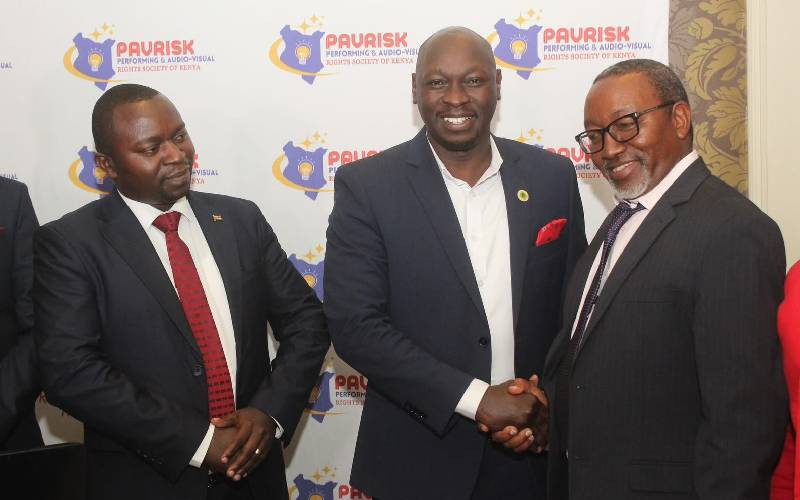
The Performing Artists and Visual Rights Society of Kenya (PAVRSK) distributed Sh43.6 million in royalties to 5,911 creatives during the 2025-2026 financial year, an increase of Sh19.6 million from the previous year.
The collective management organisation distributed Sh24 million to creatives in the previous financial year, representing an increase of about 82 per cent in the latest period.
The rise in distributions comes as the copyright sector continues to grapple with prolonged court battles, regulatory disputes and concerns over the management and tracking of royalties collected from users of creative works.
Speaking during the PAVRSK annual general meeting, chairman Edward Waigwa said lengthy court processes had affected the timely payment of the royalties.
Waigwa said artistes had been forced to wait for their earnings as disputes involving collective management organisations (CMOs) dragged through the courts.
The sector has also been undergoing regulatory changes aimed at strengthening oversight of CMOs and improving accountability in the collection and distribution of royalties.
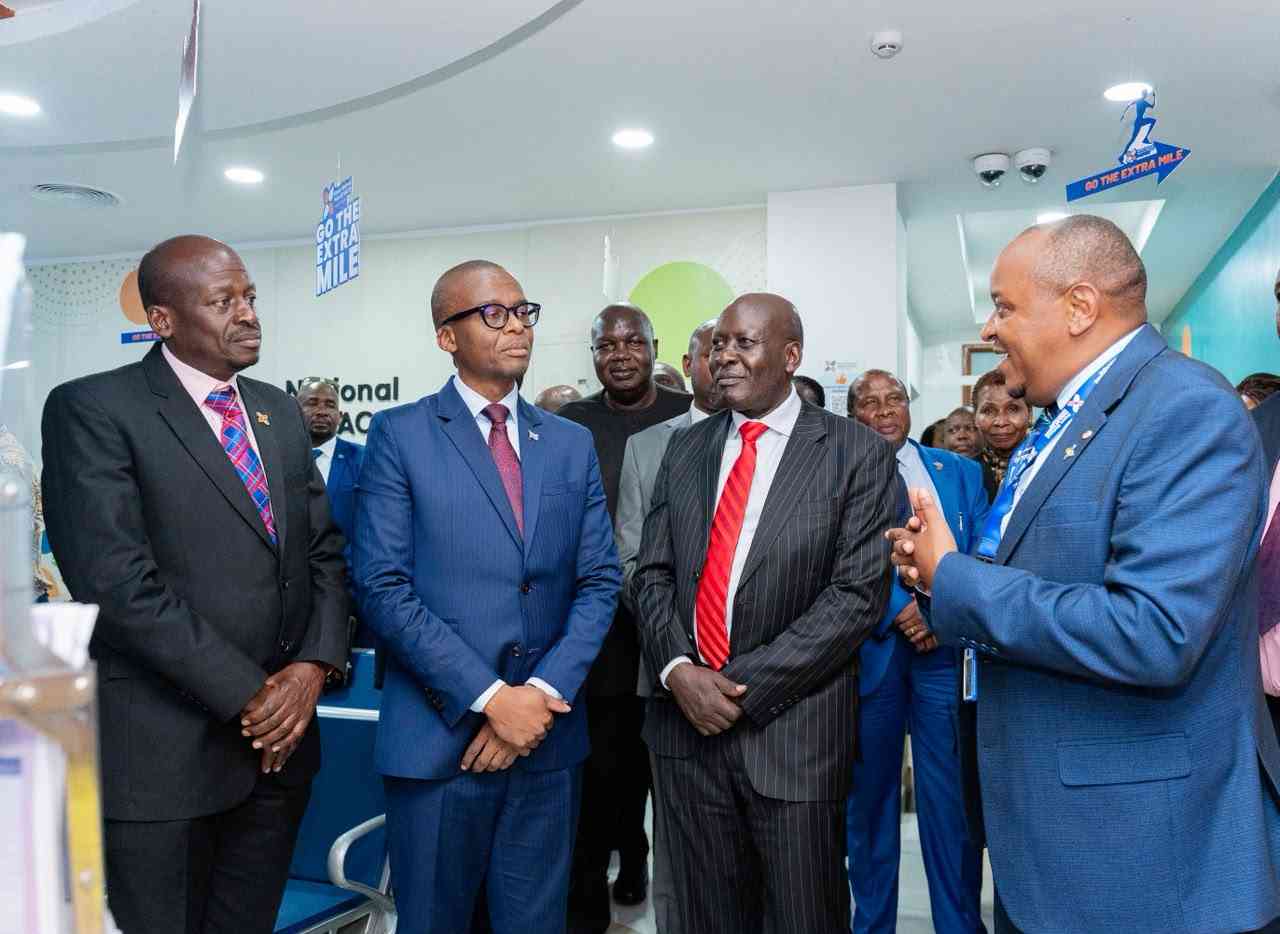
Kenya Copyright Board (KECOBO) chairman Joshua Kutuny said the regulator had made progress in bringing order to a sector that previously had three CMOs, with some organisations failing to meet regulatory requirements.
Kutuny, whose three-year tenure is coming to an end, said distributions had improved significantly since the board began enforcing stricter regulations.
He noted that when he joined KECOBO, the three CMOs were distributing less than Sh30 million, while collections were below Sh20 million. He said the sector had since recorded higher distributions, with one CMO now approaching Sh50 million.
“We moved to an organisation where collection was below Sh20 million. Distribution was below Sh30 million by the three CMOs, to right now where we are talking about one CMO almost now getting into Sh50 million in distribution,” Kutuny said.
He attributed the increase to stronger internal regulations and procedures, as well as closer engagement between the regulator and CMOs.
Kutuny said some organisations had also failed to comply with regulatory requirements and consequently lost their licences.
He confirmed that KECOBO had inherited a sector where CMOs had, at times, been able to use court orders to continue collecting royalties despite regulatory disputes.
The regulator has since pursued several cases involving the sector. Kutuny said KECOBO had dealt with about 48 cases during his tenure and had reduced the number of pending cases to three.
He said the reduction had been achieved through strengthening the board's legal team and management of litigation.
Stay informed. Subscribe to our newsletter
The transition from manual royalty collection to e-Citizen was also highlighted as a major development expected to change how copyright revenues are collected and accounted for.
Kutuny said the digital system would make it easier to track collections and establish how much money was collected from users of copyrighted works.
He projected that annual collections could rise significantly under the new system, eventually reaching about Sh3 billion, with 70 per cent expected to go to artists.
“This is going to revolutionise the sector. It is going to be a source of income to the artists,” he said.
Stakeholders said the digital system could also improve transparency by creating a clearer trail of payments from collection to distribution.
Kutuny said KECOBO was working towards linking its National Rights Registry with CMO databases to improve the identification of rights holders and track royalty payments.
He challenged artists to take a more active role in the management of CMOs, saying their participation was necessary to ensure the organisations remained accountable to their members.
“CMOs existed because of artists. The regulator existed because of artists. But you realise that most of the people who are very active in this sector may not even participate in the management,” he said.
He also called on media organisations to comply with royalty obligations, noting that broadcasters and other users of music play an important role in the copyright ecosystem.
Kutuny said media houses should work with CMOs to improve data logging so that the use of individual works could be accurately tracked and royalties allocated to the appropriate artists.
He said the sector was also moving towards a scientific monitoring system that would establish which music had been played and determine how much each rights holder should receive.
PAVRSK said it remains the only compliant collective management organisation in the sector, amid ongoing regulatory changes and scrutiny of CMOs.




Subscribe to our newsletter and stay updated on the latest developments and special offers!








 join
join