×

The Standard e-Paper
Smart Minds Choose Us
 The Standard Group Plc is a
multi-media organization with investments in media platforms spanning newspaper
print operations, television, radio broadcasting, digital and online services. The
Standard Group is recognized as a leading multi-media house in Kenya with a key
influence in matters of national and international interest.
The Standard Group Plc is a
multi-media organization with investments in media platforms spanning newspaper
print operations, television, radio broadcasting, digital and online services. The
Standard Group is recognized as a leading multi-media house in Kenya with a key
influence in matters of national and international interest.

Audio By Vocalize
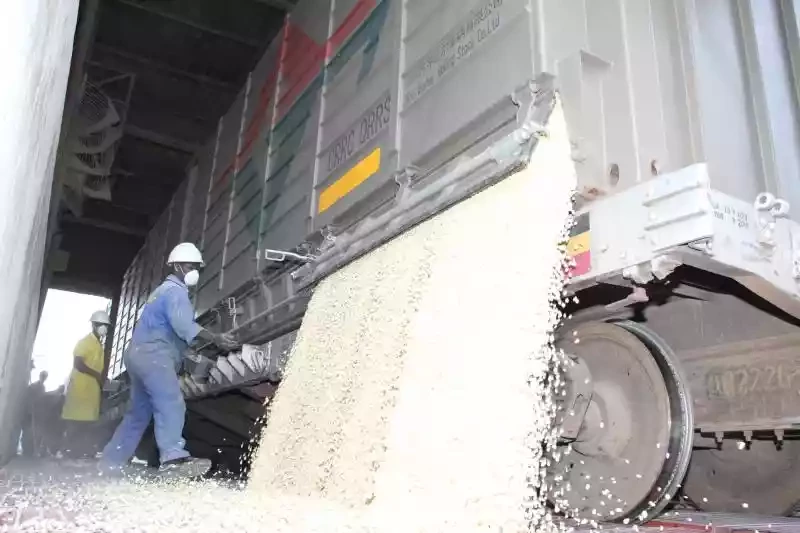
The government is set to import 2.3 billion kilogrammes of maize to cushion the country against looming food shortage due to massive crop failures due to drought in most parts of the country.
Agriculture and Livestock Development Cabinet Secretary Mutahi Kagwe said yesterday that the government reached the decision following the drought that hit many areas that produce maize.
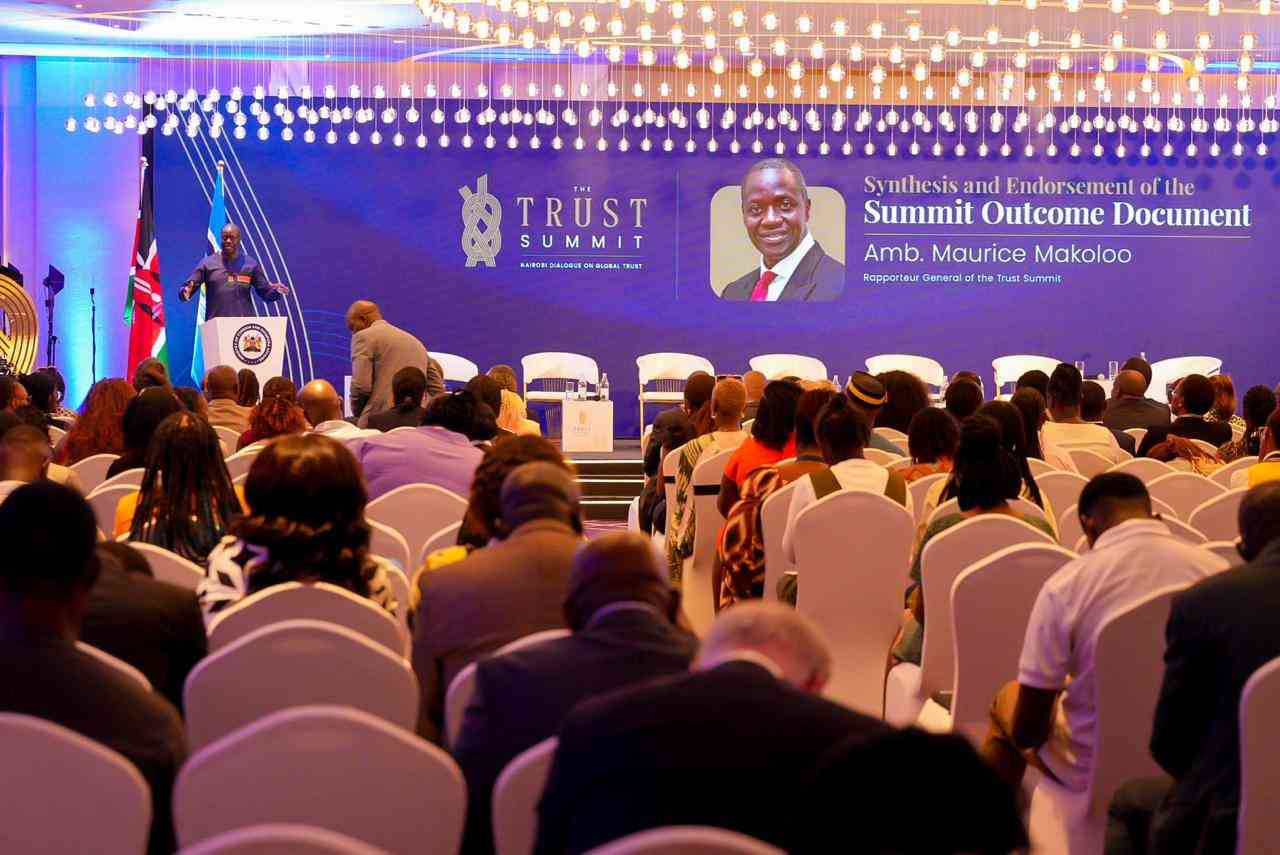
The CS spoke during a joint consultative meeting between the national and county governments and the World Bank to review progress made in the implementation of the National Value-Chain Development Project (NAVCDP) and the Food Systems Resilience Project (FSRP).
“We are making arrangements to import 25 million bags of 90 kilogrammes each. This is because many areas of the country experienced drought as a result of climate change,” he explained.
The CS said the country will encourage investment in irrigated agriculture to increase food production, noting that the food security project at Galana Kulalu will be one of the pioneer plans.
Kagwe said the meeting was critical at a time when the agricultural sector is facing challenges related to climate change and disruptions in the global food systems and supply chains.
“The frequent disruptions in climate and unpredictable rains and drought situations threaten livelihoods. We have lost livestock and crops in drought situations. Pests and diseases are a constant threat to food security and the livestock economies,” he stated.
Kagwe noted that the two levels of government were working together to increase agriculture production and transform farming into an attractive, youthful enterprise to create jobs.
“We are seeking to increase productivity and transform agriculture into a youthful enterprise. We want to infuse new ways of doing agriculture in the country,” he said.
He challenged the governors to respond to pressure on unemployment from the increasing youthful population.
“Leadership is not tested in comfort; it is proven in crisis. The real measure of our influence is how we respond when the path ahead is unclear, the pressure is high, and the stakes are real. We need direction, encouragement, clarity, and consistency,” he said.
Council of Governors (COG) agriculture committee chairman Mr Kenneth Lusaka said the initiatives aimed at achieving smart agriculture and expanding value addition in the country.
“The election season is setting in, and I am cautioning the people not to be consumed by politics and abandon agriculture,” he said.
He challenged Kenyans not to be consumed by the election politics, and instead, they should continue to focus on food production.
Stay informed. Subscribe to our newsletter
Kagwe said the agricultural transformation required innovation and re-engineering of processes and systems to make them effective; adopting new technologies, increasing productivity and reducing wastage; and modernisation and commercialisation of farming systems.
“We must move from subsistence-orientated, low-productivity practices into a highly productive system. Our young people are full of new/great ideas out of the box. Let us engage them in planning and let them review proposals. Let us utilise their energy to positively influence decisions,” he added.
He said through the two projects we have reached over two million farmers with promising and productivity-improving technologies, and over one million farmers are accessing various government services and financial and market linkages through digital platforms.
The CS noted that 7.3 million farmers have been registered through KIAMIS and are benefiting from digital agricultural advisory services: agronomics, agro-weather & markets advisories via mobile phone service.
According to Kagwe, the ministry has deployed 9,770 young agripreneurs to sublocation level to provide extension services.
"These dynamic young professionals are already conducting farm visits, providing soil testing and soil health services, linking farmers to markets and financial services, and providing livestock vaccination services, thus enriching the delivery of extension services,” he said.
He said over 20 million head of livestock have been vaccinated through the government subsidy programme, costing Sh429 million.
“We are moving closer to reducing disease incidences and strengthening livestock health as we enhance access to global markets. I request counties to intensify investments in livestock feed reserves to avoid the very discouraging cycle of livestock losses,” he added.






Subscribe to our newsletter and stay updated on the latest developments and special offers!