×

The Standard e-Paper
Smart Minds Choose Us
 The Standard Group Plc is a
multi-media organization with investments in media platforms spanning newspaper
print operations, television, radio broadcasting, digital and online services. The
Standard Group is recognized as a leading multi-media house in Kenya with a key
influence in matters of national and international interest.
The Standard Group Plc is a
multi-media organization with investments in media platforms spanning newspaper
print operations, television, radio broadcasting, digital and online services. The
Standard Group is recognized as a leading multi-media house in Kenya with a key
influence in matters of national and international interest.

Audio By Vocalize
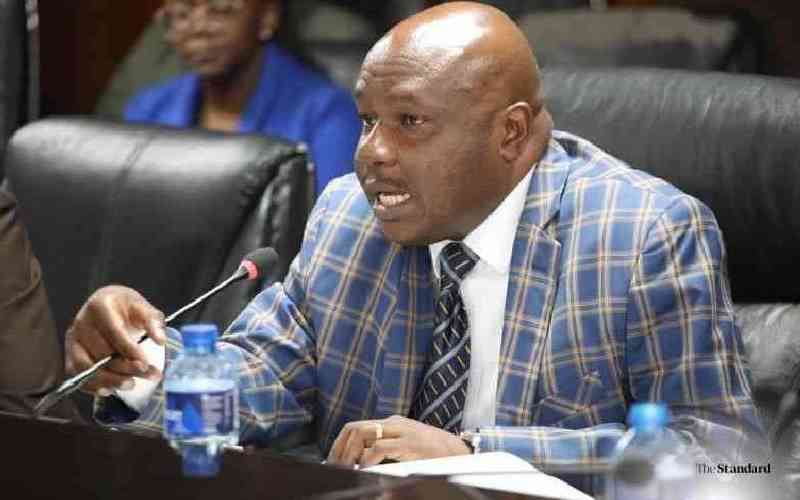
Labour Principal Secretary Shadrack Mwadime expressed concern over the persistent conflicts that continue to displace millions. [File, Standard]
Governments, employers, workers' organisations and international agencies are meeting in Nairobi to seek solutions to Africa's challenge of creating decent and dignified work for people displaced by conflict and crises, especially in conflict areas in the Horn of Africa.
The PROSPECTS Africa Forum on Decent Work and Forced Displacement officially opened on July 21, 2026 in Nairobi, bringing together delegations from Egypt, Ethiopia, Kenya, Sudan and Uganda, alongside representatives from the East African Community (EAC), the Intergovernmental Authority on Development (IGAD), the Southern African Development Community (SADC) and the Economic Community of West African States (ECOWAS). The three-day forum runs until July 23, 2026.
Speaking during the opening session, Egyptian Congress of Trade Union President Sheriff Masry called for stronger social security systems, equitable treatment of host communities and refugees and greater inclusivity in labour policies.
Dr Masry emphasized that conflict resolution, social dialogue and social protection are essential for creating productive and balanced work environments.
"We cannot provide security without social dialogue that can lead to the formulation of realistic policies capable of turning crises into opportunities," he said.
He said that the International Labour Organisation (ILO) has a critical role in safeguarding human dignity in labour markets through adherence to international labour standards.
"Cooperation between governments and the ILO will help build a just labour market and create opportunities to share both challenges and solutions," he said.
Lillian Obiye, Policy Officer for Displacement and Durable Solutions at the Embassy of the Kingdom of the Netherlands in Kenya, emphasized the importance of inclusive policies that enable displaced populations to contribute to economic development.
"Ensure displacement does not become a barrier to opportunities but rather an avenue for development," she said.
Ms Obiye expressed optimism that the forum would lead to practical policy recommendations aimed at expanding access to employment for refugees and strengthening implementation frameworks after the three-day deliberations.
Participants also highlighted Africa's youthful population as one of the continent's greatest assets, stressing the need to unlock its economic potential.
Dr Coffi Agossou, Deputy Regional Director for Africa at the ILO, noted that although Africa is the world's youngest continent, labour markets continue to fall short in creating opportunities for young people.
Dr Agossou observed that approximately 23 per cent of young Africans are neither employed nor in education or training, with young women extremely affected. For displaced populations, he said, the situation is even more challenging due to restrictions on employment, inadequate documentation and limited access to labour markets.
Stay informed. Subscribe to our newsletter
Dr Agossou urged governments and stakeholders to create pathways that promote self-reliance and resilience for both refugees and host communities through social dialogue.
"Our main focus is to create more and better jobs by engaging employers, workers, the private sector, governments and other stakeholders. We must equip people with the skills needed for the jobs of today and tomorrow through AI learning, skills development and recognition of prior learning," he said.
He also underscored the importance of leveraging opportunities presented by digital transformation while managing associated risks and increasing awareness of refugees' labour rights.
Labour and Skills Development Principal Secretary Shadrack Mwadime, described Africa's youthful population as a valuable resource that should be harnessed for the continent's economic development.
Mwadime, however expressed concern over the persistent conflicts that continue to displace millions.
"It is unfortunate that we continue to experience political instability in Africa. That is why we are gathered here today to discuss refugee issues. However, refugees also contribute significantly to the growth of host countries," he said.
He called for greater investment in recognizing refugees' existing skills while strengthening skills development programmes for young people based on labour market needs.
"We need to capitalize on the skills that refugees already possess while ensuring our youth receive training aligned with available jobs. It is immoral to train young people only to tell them they are not employable," he said.
The Principal Secretary further emphasized the importance of recognizing prior learning to boost workers' confidence, enhance labour mobility and encourage what he described as "brain gain," where skilled workers acquire experience abroad before returning home to contribute to national development.
"If the future is in Africa we need to develop proper skills to our youths," he added
The PS also reaffirmed the Kenyan government's commitment to supporting small and medium-sized enterprises (SMEs) describing them as a key driver of employment creation across the region.
"It is small businesses that will enable our countries to grow," he said.
The forum is expected to conclude on July 23, 2026, with recommendations aimed at strengthening regional cooperation, expanding access to decent work for displaced populations and promoting inclusive labour markets that benefit both refugees and host communities across Africa.



Subscribe to our newsletter and stay updated on the latest developments and special offers!