×

The Standard e-Paper
Kenya’s Boldest Voice
 The Standard Group Plc is a
multi-media organization with investments in media platforms spanning newspaper
print operations, television, radio broadcasting, digital and online services. The
Standard Group is recognized as a leading multi-media house in Kenya with a key
influence in matters of national and international interest.
The Standard Group Plc is a
multi-media organization with investments in media platforms spanning newspaper
print operations, television, radio broadcasting, digital and online services. The
Standard Group is recognized as a leading multi-media house in Kenya with a key
influence in matters of national and international interest.

Audio By Vocalize

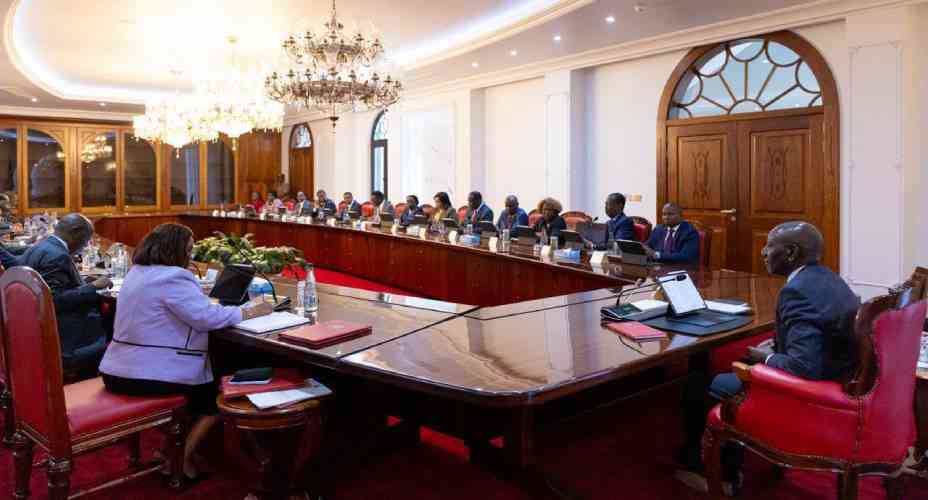
President William Ruto has ordered a probe aimed at eliminating entrenched payroll fraud, tightening oversight of the public wage bill and protecting taxpayers' money.
Ruto, who chaired a Cabinet meeting on Tuesday, said the decisions followed a government payroll audit that exposed widespread weaknesses in payroll management across public institutions.
"A sample review of 12 out of the 53 State Departments uncovered suspected payroll irregularities worth Sh6.2 billion, including unauthorised alterations to payroll records, irregular payments, weak controls over statutory deductions and fragmented payroll systems," the memo from the Cabinet read in part.
The Cabinet directed the Directorate of Criminal Investigations (DCI) to investigate the fraud, verify personal numbers used in payroll processing, dismantle criminal networks manipulating government payroll systems, recover lost public funds and prosecute all those found responsible.
To prevent future abuse, Cabinet approved a comprehensive payroll reform programme that includes a government-wide audit of all State Departments and public institutions.
"This will also include mandatory migration of ministries, departments, agencies and state corporations to the revamped Integrated Human Resource and Payroll System, enhanced cybersecurity measures, payroll data cleansing and validation," the brief added.

In a separate cost-cutting measure, Cabinet froze the leasing or hiring of additional office space pending an audit of government office utilisation and the development of a programme to renovate and optimise existing public offices.
El Niño preparedness
At the same time, the Cabinet also established a Standing Cabinet Committee on Artificial Intelligence to oversee Kenya's national AI strategy, coordinate policy implementation and position the country as a regional leader in responsible artificial intelligence development.
"The committee will promote AI-driven innovation, productivity, job creation, public service delivery and inclusive economic growth while ensuring appropriate governance and safeguards," the brief stated.
To boost digital employment, Cabinet adopted the National Business Process Outsourcing (BPO) Policy, which aims to position Kenya as a leading global outsourcing destination by leveraging its skilled English-speaking workforce, favourable time zone and expanding digital infrastructure.
The policy seeks to attract international investment, create thousands of jobs and increase Kenya's share of the global BPO market, projected to surpass Sh68 trillion by 2030.
To prepare for anticipated climate-related disasters, Cabinet established an Ad Hoc Cabinet Committee on El Niño Preparedness and Response, chaired by Deputy President Kithure Kindiki.
Stay informed. Subscribe to our newsletter
The committee will oversee implementation of a National El Niño Contingency Plan covering flood mitigation, evacuation and shelter arrangements, drainage clearance, reinforcement of vulnerable roads and bridges, pre-positioning of emergency equipment and medical supplies, farmer advisories and establishment of a contingency fund for relief, recovery and rehabilitation.
Infrastructure and regional integration
During Tuesday's sitting, the Cabinet also approved several major infrastructure projects, including the Sh26 billion Judicial Performance Improvement Project Phase II in partnership with the World Bank.
The project will finance construction of a new Supreme Court complex, a dedicated Court of Appeal building, a Judiciary Administration and Tribunals complex and a modern Kenya Judiciary Academy.
The meeting also approved an additional Sh16.6 billion for completion of the Mwache Multipurpose Dam Project in Kwale County.
"Once completed, the dam is expected to supply 186,000 cubic metres of water daily to Mombasa and Kwale counties, easing chronic shortages, supporting irrigation and strengthening climate resilience," the memo stated.
Cabinet further authorised additional financing for the Modogashe-Samatar and Rhamu-Mandera road sections under the 750-kilometre Isiolo-Mandera corridor to improve transport, trade and access to services in Northern Kenya while enhancing regional connectivity.
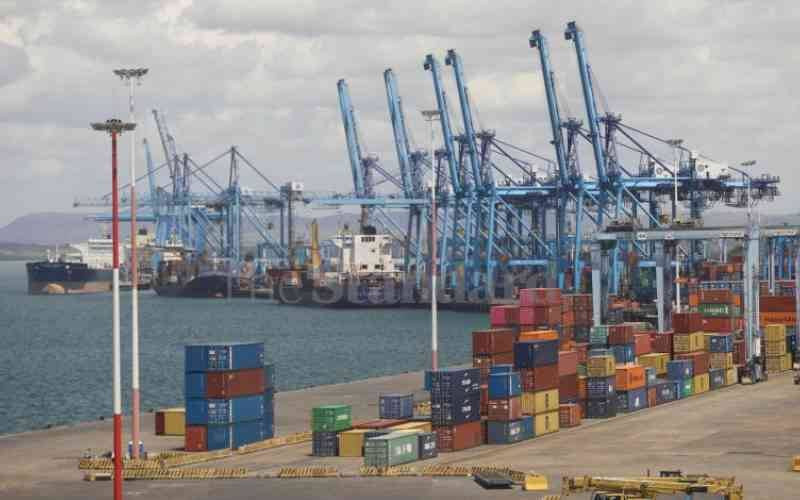
Kenya also signed petroleum cooperation agreements with Rwanda and South Sudan, allowing the two countries to import refined petroleum products through Kenya's infrastructure, including the Port of Mombasa, Kenya Pipeline Company network and the Northern Corridor.
The agreements are expected to increase fuel transit volumes while generating additional revenue through transport, storage and logistics services.
The Cabinet also endorsed the Kenya-United States Health Cooperation Framework to sustain collaboration in combating HIV, tuberculosis, malaria and emerging infectious diseases while strengthening Kenya's long-term health system.
It further adopted the National Cotton, Textile and Apparel Policy to revitalise cotton farming, expand textile manufacturing and attract private investment, while authorising negotiations to modernise welding and mechanical engineering training in 10 Technical and Vocational Education and Training (TVET) institutions.





Subscribe to our newsletter and stay updated on the latest developments and special offers!





 join
join