×

The Standard e-Paper
Fearless, Trusted News
 The Standard Group Plc is a
multi-media organization with investments in media platforms spanning newspaper
print operations, television, radio broadcasting, digital and online services. The
Standard Group is recognized as a leading multi-media house in Kenya with a key
influence in matters of national and international interest.
The Standard Group Plc is a
multi-media organization with investments in media platforms spanning newspaper
print operations, television, radio broadcasting, digital and online services. The
Standard Group is recognized as a leading multi-media house in Kenya with a key
influence in matters of national and international interest.

Audio By Vocalize
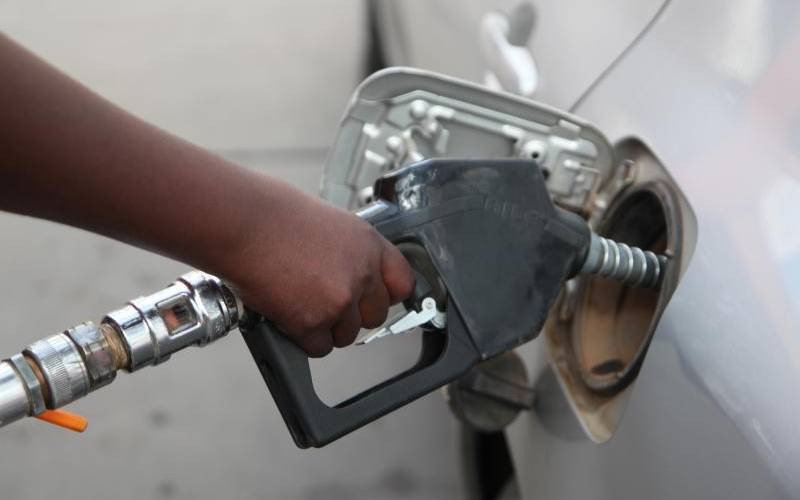
The Kenya Revenue Authority (KRA) has forgone Sh9.1 billion in tax revenue between April and May 2026.
This follows the reduction of Value Added Tax (VAT) on fuel from 16 per cent to eight per cent as part of measures aimed at cushioning consumers from rising global fuel prices brought about by the US-Iran war in the Middle East.
Speaking before the Senate Standing Committee on Energy, KRA Commissioner for Customs and Border Control, Dr Lilian Nyawanda, said the tax relief intervention was implemented to mitigate the impact of global fuel price fluctuations on consumers and businesses.
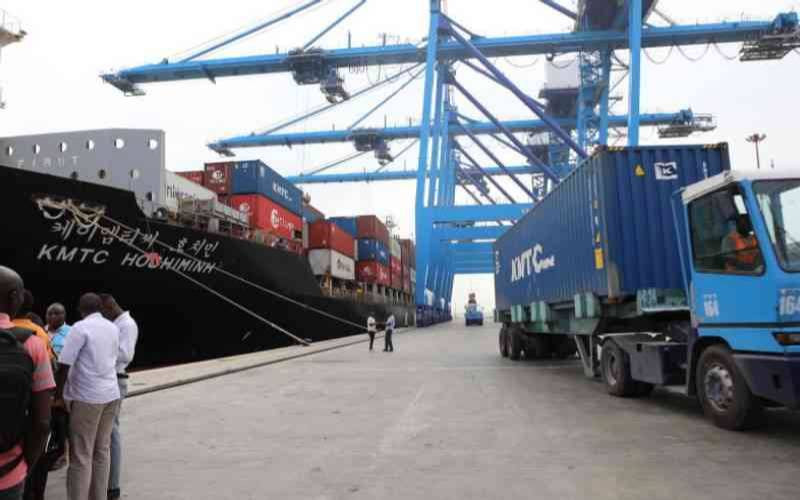
Addressing concerns regarding the Premium Motor Spirit (PMS) consignment delivered by the vessel MT Paloma, which is currently under investigation, Nyawanda clarified that the consignment was re-shipped to other markets and did not enter the Kenyan market.
She further explained that the related customs entries have since been cancelled and that taxes amounting to Sh5.1 billion, paid by various Oil Marketing Companies (OMCs) through the principal importer, MT Paloma, are scheduled for transfer to customs declarations relating to subsequent fuel consignments.
She noted that KRA continues to play a critical role in supporting the steady supply of petroleum products in the country through efficient customs administration and trade facilitation processes.
Nyawanda explained that the Authority facilitates the importation and customs clearance of petroleum products upon approval by the relevant Partner Government Agencies (PGAs), which are mandated to undertake quality assurance and compliance checks.
“KRA supports the petroleum supply chain through the expeditious processing of import documentation, timely assessment and collection of duties, VAT, levies and other statutory charges, as well as the prompt release of cargo at petroleum depots in Mombasa and across the country,” said Nyawanda.
The commissioner emphasised that KRA’s role in the petroleum supply chain is limited to functions within its statutory mandate, including customs clearance, tax assessment, levy collection, transit control and trade facilitation.
KRA remains committed to facilitating legitimate trade, ensuring compliance with customs and tax laws, and supporting government interventions aimed at safeguarding the country’s economic interests while maintaining an efficient and secure petroleum supply chain.







Subscribe to our newsletter and stay updated on the latest developments and special offers!