×

The Standard e-Paper
Kenya’s Boldest Voice
 The Standard Group Plc is a
multi-media organization with investments in media platforms spanning newspaper
print operations, television, radio broadcasting, digital and online services. The
Standard Group is recognized as a leading multi-media house in Kenya with a key
influence in matters of national and international interest.
The Standard Group Plc is a
multi-media organization with investments in media platforms spanning newspaper
print operations, television, radio broadcasting, digital and online services. The
Standard Group is recognized as a leading multi-media house in Kenya with a key
influence in matters of national and international interest.

Audio By Vocalize

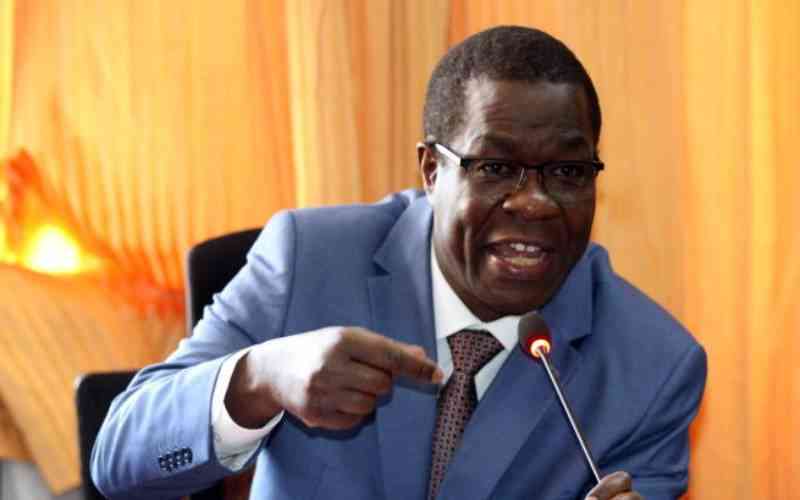
(L) Josiah Nyabuto, National Chairman, Matatu Workers Union; Maurice Oduor Ombambo, General Secretary, Matatu Workers Union; and Elijah Nyagah Mwangi, Chairman, Long Distance Drivers and Conductors Association, during a call for inclusive dialogue and protection of frontline transport workers. [Wilberforce Okwiri, Standard]
Matatu workers have called on the Government to include drivers and conductors in ongoing discussions surrounding the country’s fuel crisis, warning that the transport sector is under growing pressure and risks operational instability if urgent measures are not taken.
Speaking during a joint press briefing in Nairobi on May 27, Secretary General of the Matatu Workers Union Maurice Oduor accused stakeholders of sidelining frontline workers despite their central role in sustaining Kenya’s public transport system.
“As the fuel crisis tightens its grip on the economy, a critical voice has been deliberately left out of the national conversation; the workers who power Kenya’s transport system,” said Oduor while reading the joint press statement.
Oduor said drivers and conductors, whom he described as the “true engine” of the transport sector, continue to be excluded from high-level discussions concerning the fuel crisis.
“This omission is not just an oversight; it is a deliberate systemic failure,” he added.
The workers called for inclusive dialogue, practical solutions and immediate safeguards for workers affected by rising operational costs.
According to the unions, the matatu sector serves approximately 70 per cent of commuters nationwide and contributes an estimated Sh500 billion annually to the economy. The sector reportedly has over 500,000 vehicles and directly employs at least one million drivers and conductors while supporting nearly five million livelihoods.
“In Nairobi alone, an estimated 3.5 million people depend on matatus daily. This underscores the importance of ensuring that workers’ voices are included in shaping the sector’s decisions,” Oduor said.
The associations further highlighted what they termed the human cost of the fuel crisis, claiming many workers are now operating under harsh conditions, including returning home empty-handed due to reduced earnings and increased fuel expenses.
“Behind every route is a worker carrying an invisible burden,” Oduor said, citing zero earnings, unpaid strike days and increasing emotional strain among workers.
The unions further alleged that despite rising operational costs, many vehicle owners continue demanding fixed daily remittances from drivers and conductors, leaving workers vulnerable to financial strain.
Oduor also accused some traffic police officers of imposing illegal levies, commonly referred to as “black tax,” allegedly ranging between Sh400 and Sh1,700 per trip.
The associations further directed workers to prioritise their wages before remitting daily returns or employer targets.
Stay informed. Subscribe to our newsletter
“Workers must prioritise their wages first from daily collections. Fueling and other expenses should follow. Remaining balances may then be shared accordingly,” Oduor directed.
The unions warned against intimidation or victimisation of workers demanding fair treatment, saying such actions could trigger legal or industrial responses.
“Any attempt to intimidate, penalise, or exploit workers for asserting their right to fair wages will be met with the full force of the law and, if necessary, coordinated industrial action,” Oduor warned.
Oduor further stated that the unions remain committed to protecting the welfare, dignity and rights of workers in the transport sector.
“The driver wakes up at 4 am and ends at midnight. The conductor navigating daily chaos is not expendable. They are the system and the system will not hold if its engine is ignored,” he said.
The organisations called on the Government and transport operators to engage workers constructively in efforts aimed at stabilising the transport sector and protecting livelihoods amid the ongoing economic challenges.






Subscribe to our newsletter and stay updated on the latest developments and special offers!







 join
join