×
App Icon
The Standard e-Paper
Stay Informed, Even Offline
★★★★ - on Play Store
Download App

How older women are becoming GBV targets in Kenya Report

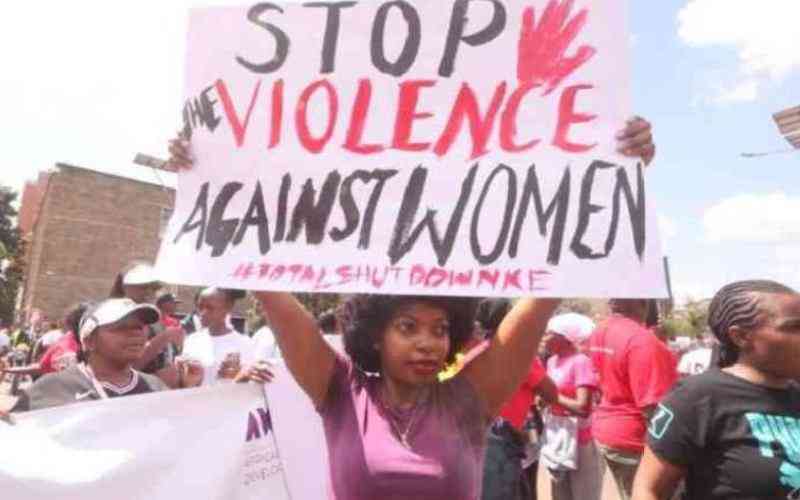
Kenya’s technical working group reveals systemic failures in the fight against femicide. [File, Standard]

Gender-based violence (GBV) cases in Kenya have risen in recent years, prompting the Technical Working Group (TWG) on GBV to call for the vice to be declared a national crisis by January 31.

While most reported cases involve women aged 15 to 49, the TWG report shows that older women are increasingly targeted, driven by a mix of cultural, economic, and systemic factors.

According to the World Health Organization (WHO), one in six people aged 60 and above experience abuse, much of it occurring in silence due to stigma, fear, and social isolation.


In Kenya, the National Gender and Equality Commission (NGEC) attributes violence against older women largely to property disputes, harmful cultural practices, accusations of witchcraft, substance abuse, and over-dependence on family members.

The report, released Monday, January 26, notes that older women living in rural and marginalised areas are particularly vulnerable due to limited awareness of their rights, weak legal protections, and deeply entrenched cultural norms.

“These factors expose older women to physical, psychological, and social harm, while systemic neglect continues to silence their experiences and exclude them from policy and protection frameworks,” the taskforce states.

One common way older women become targets, the report highlights, is through witchcraft accusations, often linked to land ownership.

Such accusations can lead to community-sanctioned violence or even murder, particularly when illness, misfortune, or unexplained deaths are blamed on elderly women.

A key informant cited in the report links the rising cases of violence, including femicide, to the compounded invisibility of older women in public discourse and policymaking.

“Older women remain acutely vulnerable to gender-based violence, including femicide. We have witnessed lynching of elderly women under the guise of witchcraft accusations, when the underlying motivation is often to seize their land,” the informant told the taskforce.

Widowhood, loss of peers, and living alone further heighten vulnerability, especially in rural and peri-urban areas where social protection systems are weak.

The report also identifies poor coordination among actors, inadequate data sharing between police and healthcare providers, and limited access to psychosocial support services as factors worsening GBV across hotspots.

Beyond older women, the report highlights adolescent girls, particularly in poverty-affected households or during crises, as vulnerable to rape, transactional sex, and early marriage.

Women and girls with disabilities also face heightened risks due to isolation, communication barriers, and dependency, which perpetrators exploit.

“Persons with disabilities, especially women and girls, face significant barriers to reporting, allowing offenders to act with impunity,” the report states.

Additionally, persons with mental and psychosocial conditions face increased exposure to GBV.

“Persons with psychosocial disorders such as bipolar disorder, depression, schizophrenia, women experiencing postpartum depression, and persons with epilepsy face heightened risks of GBV that are often ignored by the community,” an informant from Machakos County told the taskforce.

To address the issue, the taskforce recommended providing material and human resources for sustained awareness campaigns against GBV in families and communities.

TWG also advised criminalising out-of-court settlements in GBV cases, training community leaders on legal literacy to ensure cases are reported to the police rather than handled informally, and increasing funding for child protection services, particularly in high-GBV counties such as Kilifi, Kisii, and Turkana.