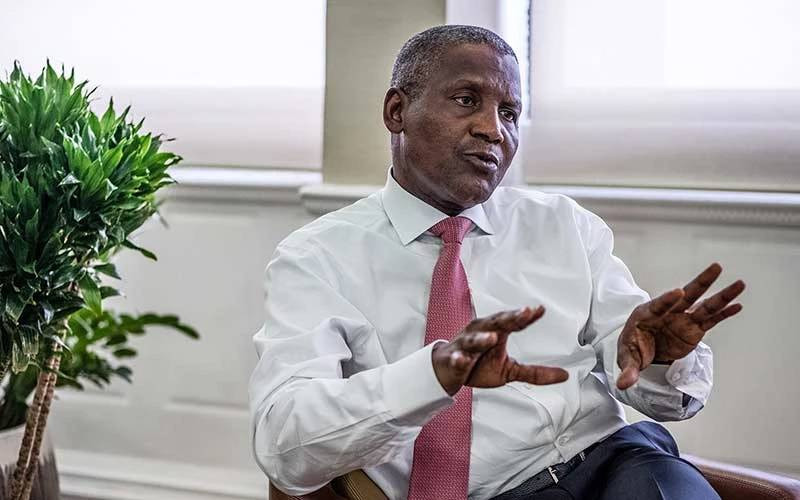
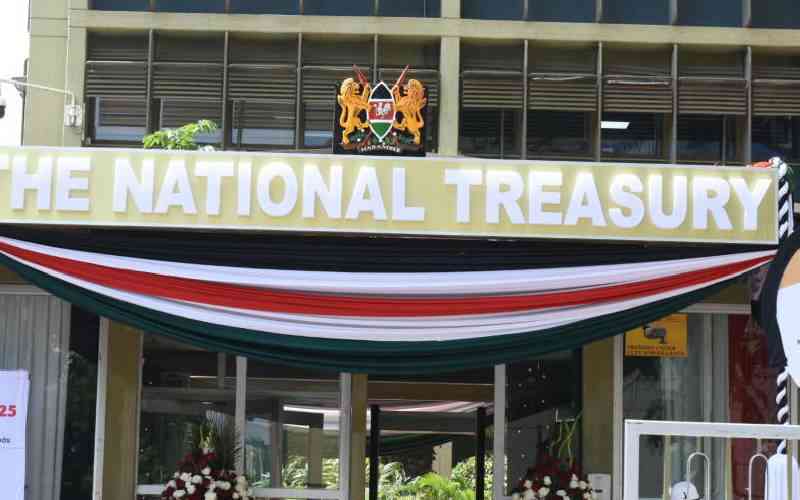
KNCHR during the release of the State of Human Rights Report for December 2024 to December 2025 in Nairobi, on December 9, 2025. [Juliet Omelo, Standard]
The Kenya National Commission on Human Rights (KNCHR) says the country continues to face human rights violations despite some progress in legislation and policy.
While releasing the State of Human Rights in Kenya report ahead of the Human Rights Day today, the commission said it had recorded 2,848 complaints between December 2024, and December 2025.
Economic, social, and cultural rights violations topped the list, with 1,381 cases, followed by 1,171 complaints on civil and political rights, and 299 relating to group rights.
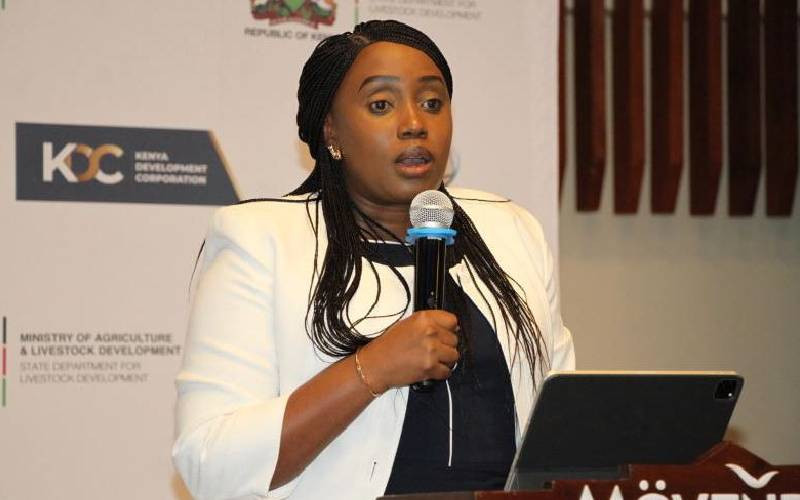
“The resurgence of abductions, torture, and extra-judicial killings undermines public trust in security institutions and the rule of law,” warned Ogangah.
The report also highlighted restrictions on freedom of assembly, with 661 demonstrators injured and 149 arbitrarily detained. Heavy police deployments, use of masked officers, and vehicles with concealed registration numbers violated court orders and eroded public confidence in law enforcement.
Freedom of expression and media rights were similarly impacted. According to the report, journalists faced assault, intimidation, denial of access to information, and temporary shutdowns of media operations.
The Computer Misuse and Cybercrimes (Amendment) Act, 2025, was criticised for limiting digital freedoms and threatening online innovation.
The report further noted that vulnerable groups, including children, persons with disabilities, women, youth, intersex persons, refugees, and indigenous communities continue to face systemic barriers.
Children remain exposed to unsafe school environments and harmful cultural practices such as FGM, while persons with disabilities face low implementation of employment quotas and limited access to inclusive education.
The report also noted the rise of femicide cases, while youth encountered profiling, arbitrary arrests, and restricted participation in digital spaces.
“The rights of every Kenyan are non-negotiable. Urgent interventions are needed to protect lives, livelihoods, and dignity,” said Ogangah.
The commission also underscored the need to combat corruption, noting that it continues to undermine public service delivery and exacerbate inequality.
KNCHR called for full implementation of the Conflict of Interest Act, stronger whistleblower protection, and human rights-based recovery of public assets.
Kenya has made progress in meeting some international treaty obligations, but remains behind on key reports, particularly on women’s rights and enforced disappearances. KNCHR urged the Government to ratify the International Convention for the Protection of All Persons from Enforced Disappearance and lift reservations under the Maputo Protocol.
“All arms of Government, county governments, security agencies, civil society, and citizens must work together to safeguard the Bill of Rights and ensure that no one is left behind,” said the commission.
The Commission called for strengthened access to justice, meaningful public participation, transparency, and full implementation of laws to protect the constitutional rights of all Kenyans.
Intersex persons face legal and medical discrimination, and refugees continue to struggle with access to labour rights and social services.
It added that Indigenous communities remain disadvantaged by delayed implementation of land restitution and resource governance decisions.