×

The Standard e-Paper
Smart Minds Choose Us
 The Standard Group Plc is a
multi-media organization with investments in media platforms spanning newspaper
print operations, television, radio broadcasting, digital and online services. The
Standard Group is recognized as a leading multi-media house in Kenya with a key
influence in matters of national and international interest.
The Standard Group Plc is a
multi-media organization with investments in media platforms spanning newspaper
print operations, television, radio broadcasting, digital and online services. The
Standard Group is recognized as a leading multi-media house in Kenya with a key
influence in matters of national and international interest.

Audio By Vocalize

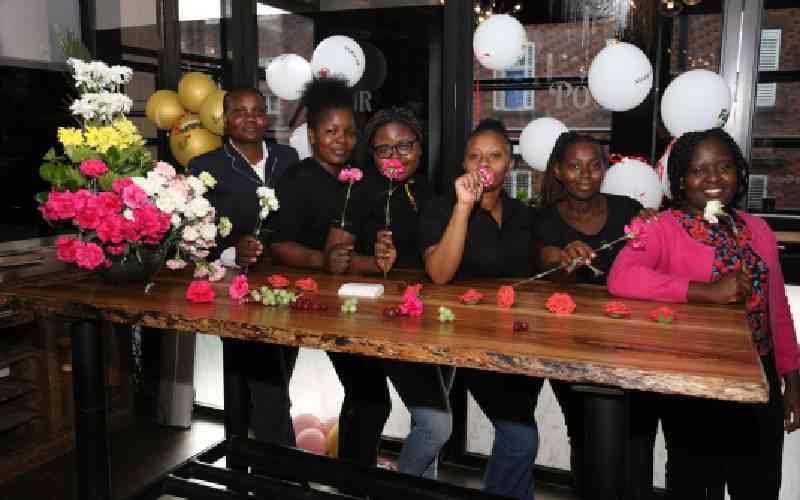
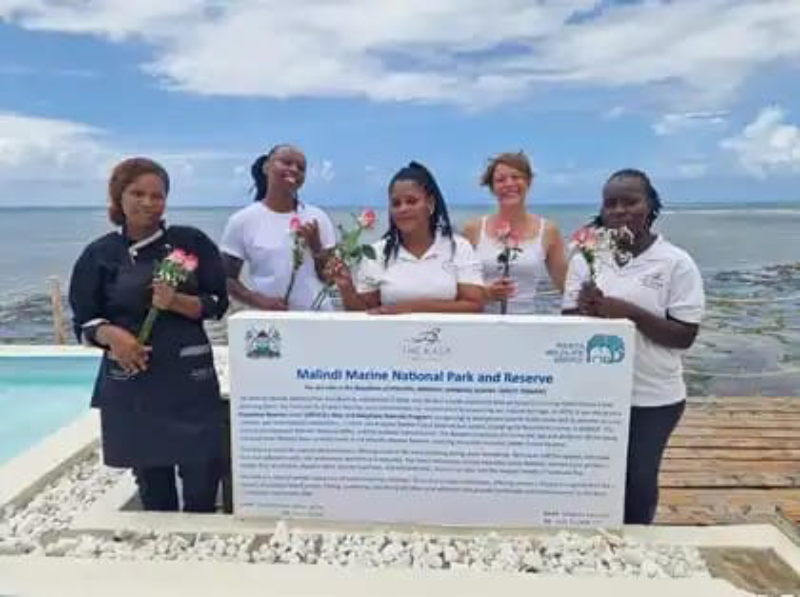
On this year’s Mother’s Day, flowers, cakes, chocolates and handwritten notes found their way into staff rooms and restaurant counters at five hospitality establishments, Cozy Residences, Ulwazi Place, Cafe Amka, Mawimbi Seafood Restaurant and KASA Malindi. Women staff in these establishments were recognised not only for the service they provide, but for the invisible emotional labour they carry into public spaces every day.
Through Wilberforce Okwiri’s photographs, from Nairobi dining spaces to Malindi hotel corridors, the spotlight is on these special mothers of the hospitality industry, whose employers took the initiative to celebrate them last Sunday during Mother’s Day. The women appear smiling, composed and elegant in uniform.
For many women in the hospitality industry, motherhood does not end when a shift begins. They leave home as mothers and arrive at work still carrying that instinct. This is the life of Irene Kiroko, a receptionist at Fedha+ Elsie Ridge, Nairobi.
At some point during her shift, when the smiles became harder to hold together and the worry too loud to silence, Irene quietly slips into the bathroom at work and stands before the mirror. Then she speaks to herself.
“All will be well,” she whispers repeatedly, trying to steady the anxiety rising inside her after returning to work barely six months after giving birth to her first child.
Outside the door, guests still need help at the reception desk. Phones still rang. Colleagues still move briskly through corridors. However, in that small bathroom, Irene fights an invisible battle many working mothers know all too well. The ache of leaving a baby behind while trying to appear composed to the world.
One afternoon, the anxiety became unbearable when calls to her nanny went unanswered. Panic took over.
“I imagined the worst, as I rushed out and took a boda boda home because my mind kept telling me something had happened to my baby,” she recalls quietly.
She found her child was safe, but the fear lingered.
Returning to work after maternity leave, Irene says, was emotionally disorienting in ways she had not anticipated. At home, motherhood demanded constant emotional presence. At work, hospitality demanded calmness, attentiveness and composure, even on days when exhaustion sat heavily behind her smile.
Some mornings, she says, she would sit quietly before leaving for work, mentally preparing herself for the separation from her baby.
Still, support from colleagues helped ease the transition. Small gestures, such as checking in on her during difficult days, stepping in briefly when she appeared overwhelmed, or simply listening without judgement, made the pressure feel lighter.
“In those moments, you realise how much women silently carry while still showing up fully for other people,” she says.
In restaurants, hotels, cafés and residences, it appears quietly in the way they warm juice for restless toddlers, soothe anxious guests, instinctively notice discomfort before words are spoken, and create calm in spaces where people arrive tired, hungry, grieving, celebrating, travelling or overwhelmed.
Hospitality, many women who work in this industry say, is not sustained by efficiency alone. It also runs on emotional care.
Stay informed. Subscribe to our newsletter
Faith Melanie, a restaurant supervisor at Cafe Amka, Nairobi, says motherhood sharpened her ability to read emotions instinctively.
“There are days you immediately notice a guest is not okay even before they speak, and sometimes it is in their face, their silence, or the way they sit,” she says.
Over time, she learned that the same emotional attentiveness required in motherhood often shapes the best hospitality workers.
Faith has helped organise surprise birthdays for guests, warmed drinks for children, improvised comfort for exhausted parents, and quietly checked on customers who appeared emotionally withdrawn.
Yet behind that composure are days when she, too, is carrying private exhaustion.
“It takes all of a mother’s strength to show up fully for a client, when her personal life may be falling apart,” she says.
Beyond motherhood, she is also balancing marriage, work responsibilities and further studies, an emotional juggling act familiar to many women in service industries.
In Malindi, at The Kasa Malindi, food and beverage manager Michelle Ikoe understands that contradiction intimately.
Leadership, she says, demands authority, decisiveness and composure, while motherhood demands softness, presence and emotional availability. Many days, she says, women are expected to embody both simultaneously.
She remembers moments when guests’ needs collided painfully with personal sacrifices at home, including missing important moments in her own child’s life because work demanded her presence elsewhere.
“No mother wants her child to see her failing, yet even amid the pressure of service, maternal instinct keeps surfacing,” she says thoughtfully.
According to her General Manager, Audrey Fabre, hospitality rarely slows down for personal emotions. “Guests continue arriving, meals must still be served, complaints handled, events coordinated, and teams supervised,” explains Fabre.
She says many women in leadership learn to compartmentalise emotions quickly, shifting constantly between professional demands and maternal concern.
Sometimes, she says, a mother working in the hospitality industry can spend an entire shift caring for strangers while quietly worrying about a sick child, an unanswered phone call from home or a missed family moment.
“It is a constant emotional balancing act,” she says.
Sometimes she finds herself prioritising a hungry child’s meal before attending to other tasks because, instinctively, she understands the urgency of a child’s discomfort.
Nearby, waitress Beryl Jane has become known for calming restless children during family dining experiences. On one occasion, she distracted an unhappy toddler with crayons and drawing paper while sourcing a child-friendly feeding chair and cup to help exhausted parents finish their meal peacefully.
The irony is not lost on her. While caring for strangers’ children at work, she is often away from her own.
That emotional contradiction surfaces repeatedly across the industry. Many women describe learning to suppress personal worry temporarily in order to remain emotionally available to guests and colleagues throughout long shifts.
Some miss birthdays and school events. Others navigate motherhood while recovering physically after childbirth or while carrying private grief and exhaustion invisible to those around them.
Yet within many hospitality spaces, informal networks of support quietly emerge among women themselves, through shared understanding, humour, reassurance, and small acts of solidarity exchanged between shifts and service hours.
According to Susan Njuguna, HR, Mawimbi Seafood Restaurant, the emotional demands of motherhood, in this industry, have made them better at hospitality service because care becomes instinctive rather than performative.
“That instinct is increasingly being recognised by women leaders reshaping workplace culture within the industry,” she says.
At Cozy Residences, housekeeping supervisor Alice Jerotich recalls how colleagues rallied around a staff member who lost one of her twin babies shortly after childbirth.
Workloads were quietly adjusted, emotional support was offered gently, and recovery was prioritised over pressure.
“These are moments that remind you women understand each other differently,” she says.
Wangui Ndegwa, Founder, Café Amka, believes compassion should not disappear inside professional spaces simply because business must continue running.
She speaks of visiting mothers in hospital after difficult births, extending leave where possible, and ensuring mothers feel remembered during occasions like Mother’s Day.
“A small gesture matters, and sometimes women just want to feel seen,” she says, explaining that the feeling of being seen matters deeply in an industry built around making others comfortable.
At Ulwazi Place, restaurant captain Alice Wangari remembers being allowed time away from work to attend her son’s sports day, a moment she feared missing.
This year, her workplace celebrated mothers with cake, chocolates and shared appreciation moments during the Mother’s Day period. To outsiders, she says, such gestures may appear small.
However, within an industry known for long hours, emotional fatigue and demanding schedules, they carry unusual emotional weight.
For Aurelia Wambua, General Manager, Ulwazi Place, Nairobi, empathy-driven leadership was shaped by personal experience.
“When you have struggled as a mother, you become softer toward other women going through the same thing,” she says.
That philosophy is echoed by Samantha Muna, CEO and co-founder of Trianum, who says her organisation’s workplace culture grew directly from the realities women founders themselves experienced while trying to balance hospitality careers and motherhood.
“Things change when mothers support fellow mothers at the workplace,” she says.
Trianum Human Resource Manager, Gathoni Wathiga, recalls receiving support herself as a new mother before later advocating for pregnant job applicants to be evaluated on merit rather than fear around maternity leave.
Elsewhere, Irene Nyanumba, General Manager, Fedha+ Elsie Ridge, Nairobi, admits she often sees younger female staff through the lens of her own daughter.
Once, she had to abruptly leave a long-awaited mother-daughter outing after an urgent work call interrupted the day. Such interruptions, she says, are common in the hospitality environment, and so are the sacrifices that rarely make it into conversations about service.
Yet perhaps that is why this year’s Mother’s Day celebrations within these establishments felt emotionally significant. Not because of the cakes or flowers alone, but because, briefly, attention shifted toward the women who spend much of their working lives caring for others while carrying private burdens few guests ever notice.
Beneath the polished hospitality is another quieter reality: women balancing grief and grace, fatigue and tenderness, professionalism and motherhood.
As Mother’s Day celebrations ended, guests left, tables were cleared, and shifts grew busy again. These women continued doing what they have always done. They returned to reception desks, kitchens, dining rooms and corridors carrying motherhood with them.
For many women in hospitality service, motherhood never truly clocks out.







Subscribe to our newsletter and stay updated on the latest developments and special offers!








 join
join