×

The Standard e-Paper
Stay Informed, Even Offline
 The Standard Group Plc is a
multi-media organization with investments in media platforms spanning newspaper
print operations, television, radio broadcasting, digital and online services. The
Standard Group is recognized as a leading multi-media house in Kenya with a key
influence in matters of national and international interest.

Audio By Vocalize
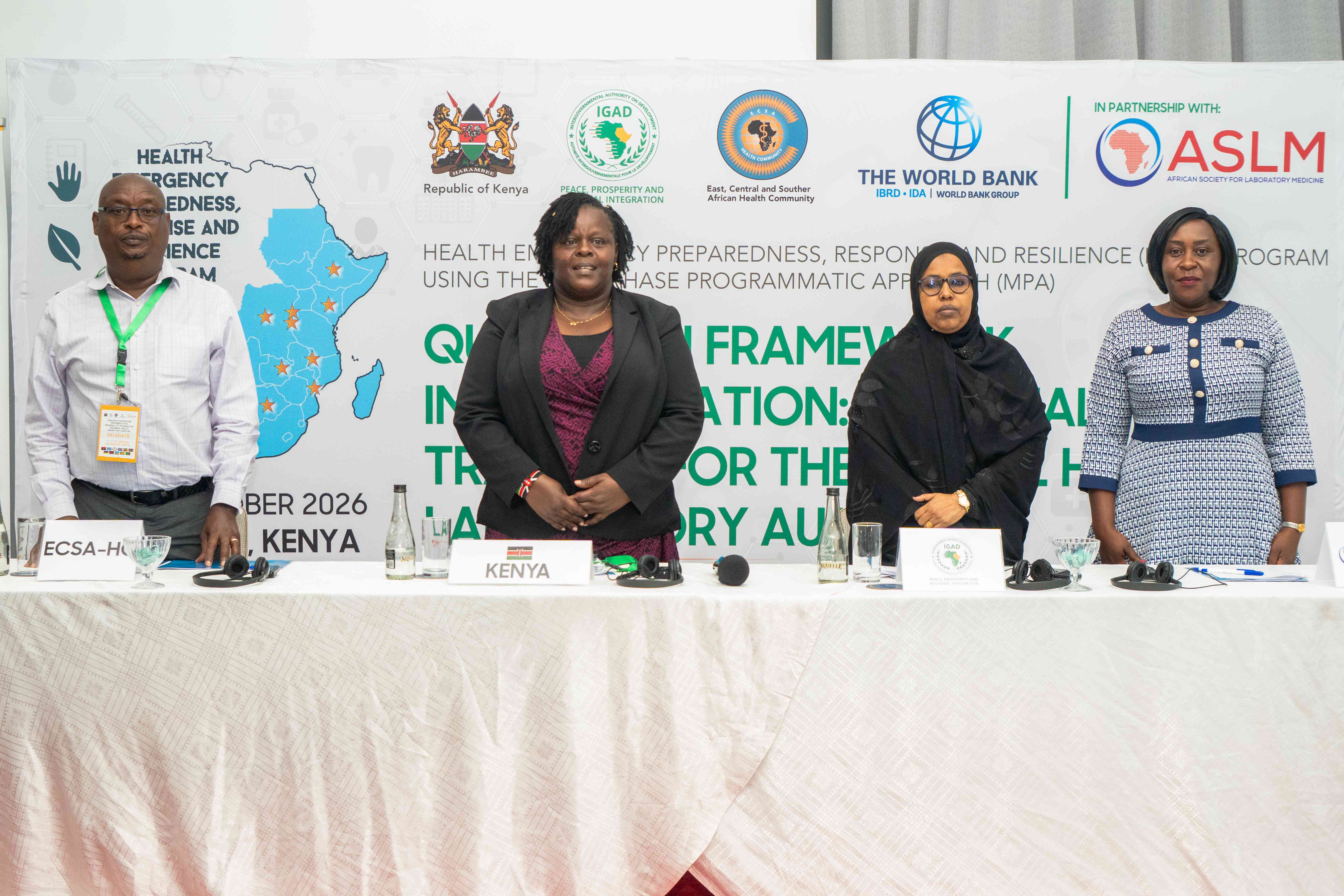
Kenya is hosting a regional training for animal health experts to address a shortage of qualified laboratory auditors and help Eastern and Southern African countries improve disease detection and emergency preparedness.
The five-day workshop in Machakos, running from October 19 to 23, will train specialists to assess animal health laboratories, identify weaknesses in their quality management systems and guide improvements towards international accreditation standards.
The initiative comes as countries across the region face outbreaks of diseases such as Ebola, Marburg, cholera and Rift Valley fever, which require reliable laboratory testing to support early detection and response.
Amb. Dr Fatuma Adan, IGAD Head of Mission to Kenya, said countries must strengthen their laboratory systems before emergencies occur.
“Preparedness cannot begin when an outbreak starts. It must be built through strong systems, competent personnel and quality-assured laboratories that can rapidly detect and characterise health threats before they spread across borders,” she said.
The training falls under the Health Emergency Preparedness, Response and Resilience Programme, a regional initiative that seeks to strengthen health systems and emergency preparedness across Eastern and Southern Africa.
Participants will learn to apply the QualiPATH Framework, developed by the African Society for Laboratory Medicine (ASLM), to assess animal health laboratories and identify gaps in their quality management systems.
Phoebe Nzombe, ASLM's Laboratory Quality Management Systems (LQMS) programme manager, is among the technical experts involved in the initiative.
The framework provides a step-by-step approach to improving laboratory quality systems and working towards accreditation under ISO/IEC 17025, an international standard for the competence of testing and calibration laboratories.
The programme seeks to address a shortage of trained animal health laboratory auditors in participating countries. Without sufficient local expertise, countries may depend on external specialists to assess laboratories, a situation that can increase costs and delay improvement efforts.
The training will combine classroom sessions with practical auditing exercises, including a visit to Kabete Veterinary Laboratory, which is working towards accreditation.
Participants will conduct a mock audit, document their findings and provide feedback on areas requiring improvement.
Those who meet the required competency standards will receive certification as regional QualiPATH auditors and trainers.
They will then support laboratory assessments, mentor laboratory teams and train other specialists in their respective countries.
Dr Ramona Ndayi, Deputy Director at Kenya's Directorate of Veterinary Services, is among the officials associated with the host country's participation in the initiative.
Stay informed. Subscribe to our newsletter
The organisers aim to establish a regional network of auditors who can support national laboratory assessments, identify weaknesses in quality management systems and help facilities implement corrective measures.
The initiative brings together the Intergovernmental Authority on Development (IGAD), the East, Central and Southern Africa Health Community (ECSA-HC) and ASLM, alongside technical partners including the World Organisation for Animal Health and the Food and Agriculture Organisation of the United Nations.
IGAD is focusing on animal health laboratories, while ECSA-HC is working on human health laboratories. The two efforts support the One Health approach, which recognises the links between human, animal and environmental health.
The participating countries are expected to use the assessment findings to identify laboratories that need support and develop targeted quality improvement plans.
Stronger animal health laboratory systems can help countries detect zoonotic diseases, which spread between animals and humans, and improve preparedness for outbreaks that threaten public health, livestock production, food security and cross-border trade.






Subscribe to our newsletter and stay updated on the latest developments and special offers!








 join