×

The Standard e-Paper
Fearless, Trusted News
 The Standard Group Plc is a
multi-media organization with investments in media platforms spanning newspaper
print operations, television, radio broadcasting, digital and online services. The
Standard Group is recognized as a leading multi-media house in Kenya with a key
influence in matters of national and international interest.
The Standard Group Plc is a
multi-media organization with investments in media platforms spanning newspaper
print operations, television, radio broadcasting, digital and online services. The
Standard Group is recognized as a leading multi-media house in Kenya with a key
influence in matters of national and international interest.

Audio By Vocalize
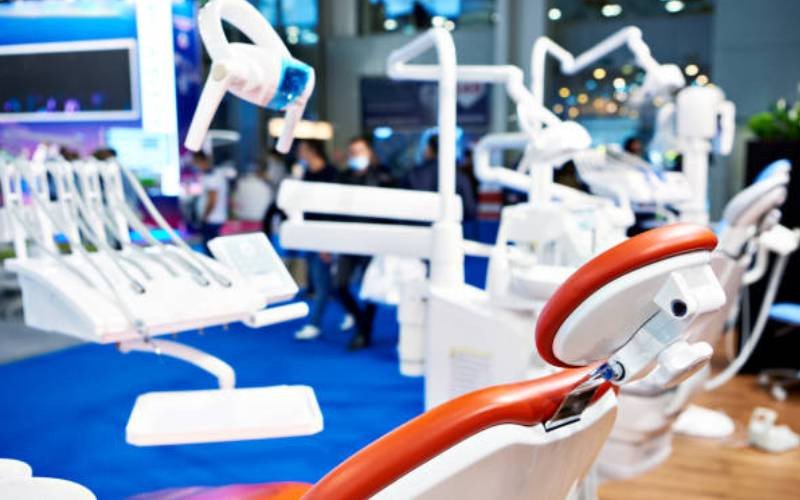
Dental chair and clinic equipment. [iStockphoto]
Kenya is seeking to strengthen local healthcare manufacturing and supply chains to improve access to medicines, medical equipment and other essential health products, particularly in underserved rural areas.
The push took centre stage yesterday as the World Health Expo (WHX) Nairobi opened at the Kenyatta International Convention Centre (KICC), bringing together healthcare companies, investors, policymakers and industry professionals from more than 30 countries.
The three-day exhibition, running from September 16 to 18, has attracted more than 5,500 participants and hundreds of exhibitors showcasing medical devices, laboratory equipment, pharmaceuticals, nutraceuticals and digital health technologies.
Opening the exhibition, Ministry of Health Director for Primary Healthcare, Preventive and Promotive Health Dr Joe Lenai called for a shift in how Kenya and other African countries approach medical technology and equipment.
Dr Lenai warned that expensive medical equipment can become unusable when health facilities lack spare parts, maintenance services and skilled technicians.
“Africa must no longer be an equipment graveyard,” he said, urging manufacturers and suppliers to provide long-term technical support alongside the equipment they sell.
He said strengthening local capacity for equipment maintenance would help health facilities avoid disruptions in essential services caused by breakdowns and delays in accessing spare parts or technical expertise.
The discussions also highlighted the need to strengthen local manufacturing to reduce over-reliance on imported healthcare products and make essential supplies more readily available.
FedEx Managing Director for Sub-Saharan Africa Leon Brewer said stronger logistics networks would be critical if Kenyan manufacturers are to compete in regional and international healthcare markets.
Brewer said efficient inbound and outbound supply chains could help local manufacturers move raw materials and finished products faster while reaching customers in Kenya and beyond.
“Local manufacturing” would also bring opportunities to improve speed to market, he said, provided manufacturers maintain quality and develop reliable supply chains.
He said healthcare is a major global business segment for FedEx and that Kenya could serve as an important gateway connecting East African healthcare businesses to international markets.
WHX Nairobi Exhibition Manager Daniel Green said the expo had attracted hundreds of international companies interested in investment, sales, procurement and partnerships within the East African healthcare market.
Green said Kenya was increasingly being viewed as a focal point for companies seeking to access the wider African market.
Stay informed. Subscribe to our newsletter
Beyond manufacturing, participants highlighted digital health as an emerging tool for addressing inequalities in access to healthcare.
Green said technology could help improve the delivery of medicines and medical equipment to rural communities, where access to specialised health products and services remains a challenge.
He said digital solutions could help shorten the route between suppliers and patients while also supporting faster and more accurate health services.
The focus on rural access comes as healthcare systems continue to grapple with the challenge of ensuring that innovations and essential medical supplies reach communities outside major urban centres.
The expo is expected to provide a platform for stakeholders to explore investment, manufacturing, procurement and cross-border partnerships aimed at strengthening healthcare systems across the region.




Subscribe to our newsletter and stay updated on the latest developments and special offers!







 join
join