×

The Standard e-Paper
Smart Minds Choose Us
 The Standard Group Plc is a
multi-media organization with investments in media platforms spanning newspaper
print operations, television, radio broadcasting, digital and online services. The
Standard Group is recognized as a leading multi-media house in Kenya with a key
influence in matters of national and international interest.
The Standard Group Plc is a
multi-media organization with investments in media platforms spanning newspaper
print operations, television, radio broadcasting, digital and online services. The
Standard Group is recognized as a leading multi-media house in Kenya with a key
influence in matters of national and international interest.

Audio By Vocalize
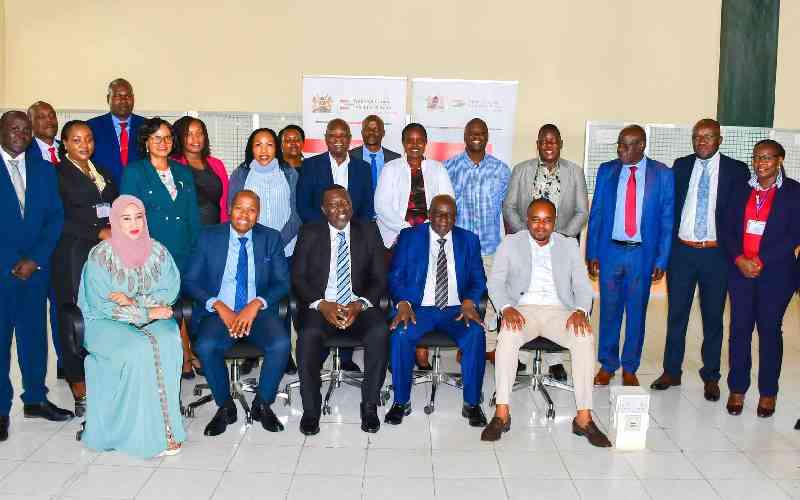
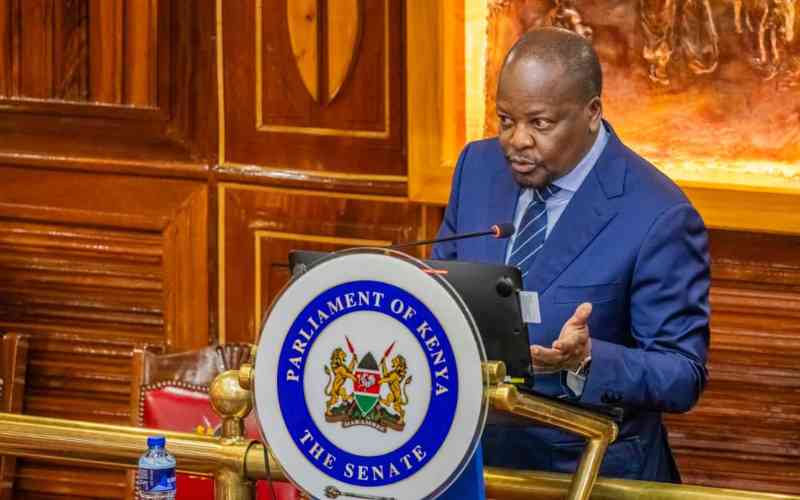
Departmental Committee on Health Chair James Nyikal during the Budget oversight visit at the National Cancer Institute of Kenya in Nairobi on July 9, 2026. [Elvis Ogina, Standard]
At least 80 Kenyans die every day from cancer, while 125 new cases are recorded daily, the National Cancer Institute of Kenya (NCIK) has said.
NCIK Chief Executive Officer Elias Melly said the growing burden of cancer should serve as a wake-up call to both policymakers and the public.
"Currently in our country, we have 80 patients dying from cancer. I think this should attract the attention of everybody and 120 are being diagnosed with cancer every day," Dr Melly said.
On Thursday, National Assembly Health Committee pledged to push for increased funding for the NCIK, citing the growing burden of cancer in the country and the need to strengthen prevention, treatment, research and palliative care services.
This commitment was made during a quarterly budget implementation and oversight meeting between the committee and officials from the institute, where the lawmakers acknowledged the progress made by NCIK while agreeing that additional resources are needed to meet the country's rising cancer burden.
Health Committee Chairperson James Nyikal commended the institute for improving its human resource capacity and developing clear operational strategies, saying the progress had justified increased government investment over the years.
"What has come out very clearly is that we need to fund them more. We started very low at Sh40 million, it moved to about Sh290 million in the 2024/2025 financial year and this year they are getting Sh349 million," he said.
Dr Nyikal attributed the increased allocation to the institute's improved staffing and strategic planning, adding that the committee would explore ways of securing additional funding.
"They have developed proper staff and a proper strategy and we are happy with the setting. What the committee has resolved is that we will see how we increase their funding because cancer is now a big problem for us," he said.
Despite the increased allocation, officials at the institute said available resources remain inadequate to respond to the growing number of cancer patients and the rising cost of treatment.
Dr Melly urged the government to review the Social Health Authority (SHA) benefits package for cancer treatment, saying the current cover does not adequately cater for specialised procedures such as bone marrow transplants.
He said the limited package forces many patients to seek treatment in private hospitals where the cost is significantly higher and beyond the reach of many households.
Dr Melly also highlighted critical workforce shortages, saying the country continues to face an inadequate number of oncologists and a severe shortage of pathologists needed for timely diagnosis.
Stay informed. Subscribe to our newsletter
The institute is also grappling with inadequate diagnostic and treatment equipment, while maintaining the available machines remains difficult because of limited financial resources.
The institute says the growing cancer burden has also exposed major gaps in patient care, particularly for those diagnosed after the disease has progressed to advanced stages.
NCIK Board Chairperson Timothy Olweny told the committee that greater attention should also be directed towards palliative and end-of-life care, noting that many patients are diagnosed when the disease has already advanced beyond curative treatment.
Dr Olweny said late diagnosis means a significant number of patients require palliative care aimed at improving comfort and quality of life rather than curing the disease.
"Most cancer patients are being diagnosed late and by the time we intervene, curative intent is nearly impossible. Most patients therefore end up in palliative care and end-of-life care," he said.
Dr Olweny called for increased funding for home-based care programmes, arguing that patients with advanced cancer should receive quality care in familiar surroundings instead of spending prolonged periods in hospital.
"Home based care needs to be funded so that we can keep our patients out of hospital except when they need to be there, while ensuring they receive the care they require at home. Even during the last difficult stages of life, they should feel that we are holding their hands," he said.
Members of the Health Committee agreed that increased funding would not only strengthen treatment services but also expand cancer awareness programmes, improve research and enhance early detection efforts across the country, particularly in underserved rural communities.
The legislators said additional resources would enable the institute to reach more Kenyans with education on cancer prevention and screening while strengthening evidence-based research to guide policy and improve patient outcomes.
The meeting comes at a time when Kenya continues to grapple with a growing cancer burden, with health experts warning that delayed diagnosis, inadequate specialized personnel and high treatment costs remain major barriers to effective cancer care.

Subscribe to our newsletter and stay updated on the latest developments and special offers!







 join
join