×

The Standard e-Paper
Smart Minds Choose Us
 The Standard Group Plc is a
multi-media organization with investments in media platforms spanning newspaper
print operations, television, radio broadcasting, digital and online services. The
Standard Group is recognized as a leading multi-media house in Kenya with a key
influence in matters of national and international interest.
The Standard Group Plc is a
multi-media organization with investments in media platforms spanning newspaper
print operations, television, radio broadcasting, digital and online services. The
Standard Group is recognized as a leading multi-media house in Kenya with a key
influence in matters of national and international interest.

Audio By Vocalize
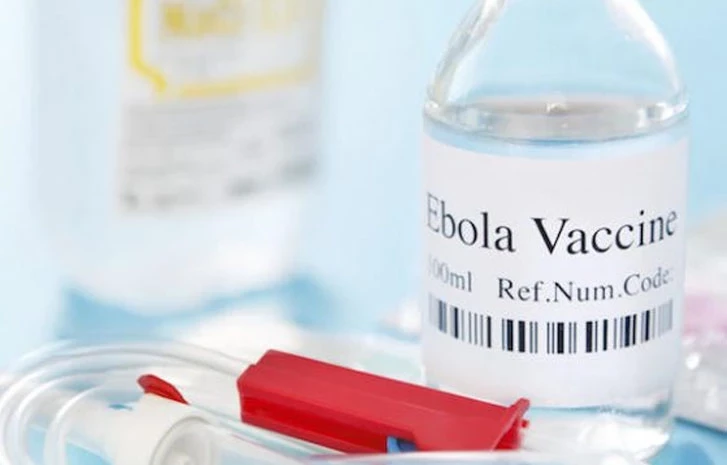
The World Health Organization (WHO) has identified two candidate vaccines and several treatment options for evaluation in clinical trials as countries race to contain the ongoing Ebola outbreak caused by the Bundibugyo virus strain in the Democratic Republic of Congo and neighbouring Uganda.
In a statement released Thursday, WHO said its advisory groups reviewed potential vaccines and therapeutics for both prevention and treatment of Bundibugyo virus disease (BVD), stressing that all products should only be used within carefully monitored clinical trials.
“There are currently no licensed therapeutics or vaccines specifically approved for the prevention and treatment of BVD,” WHO said.
Among the vaccines prioritised for further assessment is the single-dose rVSV Bundibugyo vaccine being developed by the International AIDS Vaccine Initiative (IAVI).
WHO experts said the vaccine could take between seven and nine months before it is ready for efficacy testing in clinical trials.
Another promising candidate is the ChAdOx1 Bundibugyo vaccine developed by Oxford University and the Serum Institute of India, which experts said could be ready for trials within two to three months.
The advisory groups noted that the vaccine may be suitable as a single-dose option for contacts of Ebola patients, while a two-dose strategy could potentially be used for healthcare workers and other frontline responders.
WHO also reviewed the possible use of Ervebo, the only licensed Ebola vaccine currently available globally.
However, the agency cautioned that Ervebo is approved for outbreaks caused by the Zaire strain of Ebola virus and not the Bundibugyo strain currently circulating in Central and East Africa.
“WHO recommends that Ervebo should not be used outside carefully designed research settings, to allow for its performance against BDV to be assessed,” the statement said.
For treatment, WHO experts recommended prioritising monoclonal antibodies MBP134 and Maftivimab, alongside the antiviral drug remdesivir, for clinical evaluation among confirmed Ebola patients.
Combination therapy using remdesivir and monoclonal antibodies was also recommended for further study.
The agency further identified the oral antiviral obeldesivir as a priority option for post-exposure prevention among people who have come into contact with confirmed Ebola cases.
WHO said the success of such an approach would depend heavily on effective contact tracing, which remains difficult in some affected regions.
“In the meantime, our priority is to stop transmission with tools that we have used for decades of Ebola responses, which include disease surveillance, rapid testing and diagnosis, contact tracing, isolation and care for patients, infection prevention and control, community engagement, and safe and dignified burials,” WHO stated.
The organisation said it is now working with the governments of DR Congo and Uganda, alongside Africa CDC and other scientific partners, to develop research protocols and support safe clinical trials.
The Bundibugyo is one of the less common Ebola virus species and currently has no approved vaccine or treatment specifically designed for it.
Stay informed. Subscribe to our newsletter


Subscribe to our newsletter and stay updated on the latest developments and special offers!







 join
join