×
App Icon
The Standard e-Paper
Truth Without Fear
★★★★ - on Play Store
Download Now

Study shows bhang can heal but poses health risks

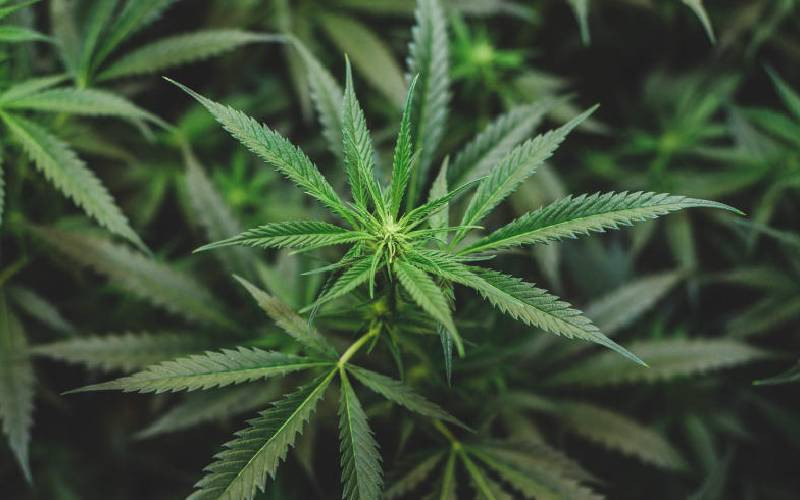
Marijuana is increasingly being cited for its possible medicinal value. [Courtesy]

Bhang also known as opium, cannabis sativa or marijuana, is currently under investigations by research scientists in several countries notably Israel and the United States, for its potential in treating certain medical conditions.

Popularly referred to by local consumers as weed, bhang is increasingly being cited for its possible medicinal value. Proponents argue that unlike cigarettes, which are strongly linked to premature deaths, bhang is not associated with early death.

Studies conducted at California State University and among Swedish army suggest that while smoking marijuana is not entirely harmless, it is unlikely to cause premature death.


Research scientists at California State University, San Diego, led by Professor Ziva Cooper, state that “the current knowledge base does not support the assertion that marijuana has any notable adverse public health impact in relation to mortality.”

Prof Cooper, an expert in medicine, public health, policy, science and law, explains that marijuana users do not experience premature death like cigarette smokers and there is no risk of overdose from bhang. She notes that bhang contains compounds called cannabinoids, which can be beneficial in treating conditions such as rare forms of epilepsy, nausea and vomiting from cancer chemotherapy and loss of appetite and weight loss associated with HIV/AIDS.

Prof Cooper led a study examining the health effects of cannabis, with findings published in the Journal of the International Neuropsychological Society in 2022.

The findings on cannabis use have also been supported by the Jane and Terry Semel Institute for Neuroscience and Human Behaviour.

“Bhang provides relief from anxiety, depression and post-traumatic stress disorder. It also promotes quality sleep and pain relief, allowing users to benefit from the plant without major health risks,” says Prof Cooper.

She adds that marijuana does not contain carcinogens, cancer-causing chemicals, and therefore cannot cause premature death. Studies have not established any clear link between smoking bhang and a significant increase in lung cancer.

Prof Cooper notes that other research has shown that THC and CBD, the two main compounds in marijuana, possess anti-tumor properties. Scientists suggest this may explain the relatively low incidence of lung cancer and other serious medical conditions among bhang users.

Researchers say bhang has medicinal value: simply rinse it, add it to food or drinks, and it can help protect against pain, muscle spasms, and seizures.

A longitudinal study by Dr Sven Andeasson of Stockholm University on Swedish army conscripts found no link between bhang smoking and schizophrenia.

However, local doctors caution that this does not mean marijuana is harmless. It remains a banned hard drug with serious potential negative effects. Dr Nicholas Ochieng of Kenyatta National Hospital and lecturer at Kenya Medical Training College, Nairobi campus, notes that there is no evidence that cannabis sativa or bhang users live longer.

“In fact, heavy use of bhang, especially from a young age, is linked to increased mortality risks from cancer, cardiovascular issues and accidents,” says Dr Ochieng.