×

The Standard e-Paper
Stay Informed, Even Offline
 The Standard Group Plc is a
multi-media organization with investments in media platforms spanning newspaper
print operations, television, radio broadcasting, digital and online services. The
Standard Group is recognized as a leading multi-media house in Kenya with a key
influence in matters of national and international interest.
The Standard Group Plc is a
multi-media organization with investments in media platforms spanning newspaper
print operations, television, radio broadcasting, digital and online services. The
Standard Group is recognized as a leading multi-media house in Kenya with a key
influence in matters of national and international interest.

Audio By Vocalize
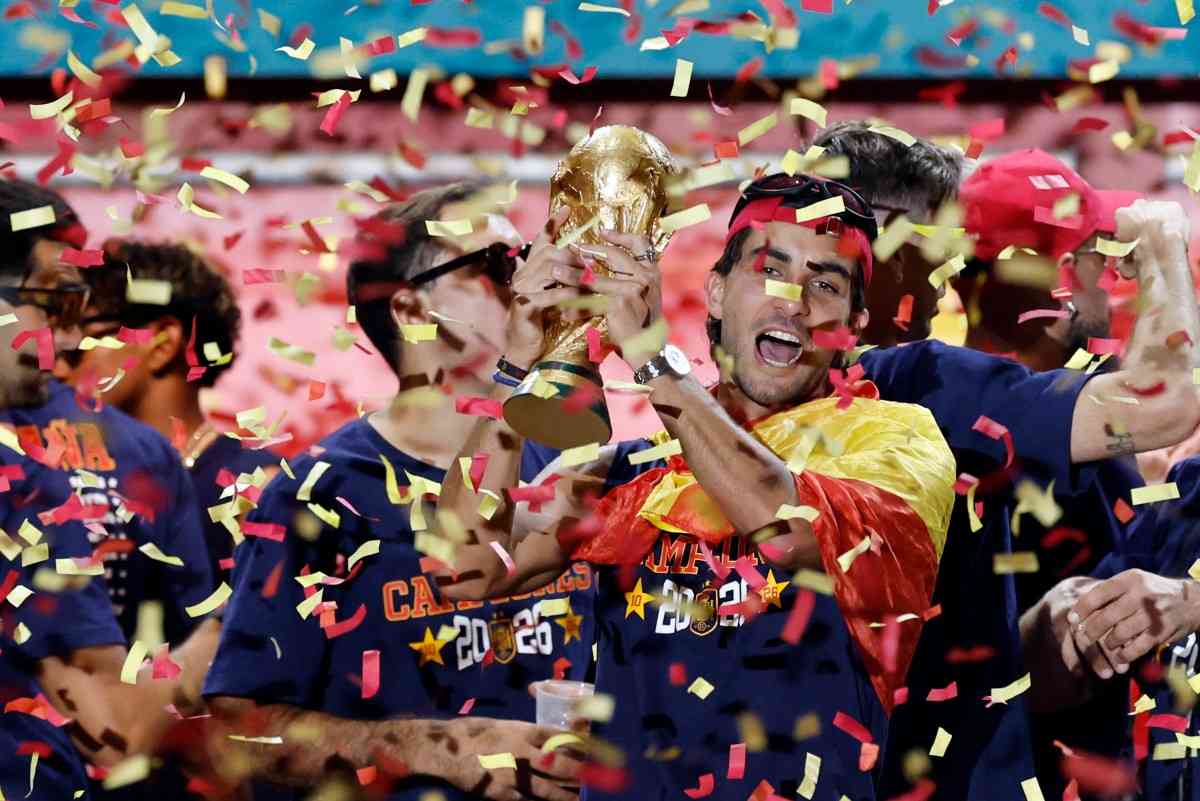
Driven by an enlarged 48-team format, the 2026 World Cup created a stadium attendance high while FIFA boss Gianni Infantino said that TV viewership broke the previous record "many, many times over".
Speaking Friday, the president of world football's governing body acknowledged that the records had been boosted because "this is the largest World Cup in history by far, by many times, actually, welcoming 16 additional teams".
But, he added, it "has exceeded all expectations".
In its pre-event projections, FIFA, which folds World Cup income into revenue for the whole year, anticipated record revenues exceeding seven billion euros (8bn dollars) for 2026.
That is a 56 per cent increase compared to 2022 when the last World Cup was held in Qatar.
Prior to the third-place play-off on Saturday and the final on Sunday, FIFA had already officially recorded over 6.6 million fans in stadiums across the host nations of the United States, Canada and Mexico.
On Monday, after Spain beat Argentina to become world champions, media outlets calculated a total of 6.81 million spectators across the 104 matches, though no official figures were yet available from FIFA.
The 5-million-spectator mark was surpassed during the round-of-32 match between France and Sweden. The previous ticket sales record was 3,587,538 in the United States in 1994.
This time, stadiums were filled to a record 99.7 per cent of capacity, despite rumbling controversy regarding high ticket prices. The average attendance was 65,351 per match.
"TV viewership records were shattered, both in the host countries and across the globe," FIFA said on Saturday. It has yet to release detailed numbers, but in Friday's press conference US President Donald Trump threw out the figure of "nearly six billion viewers".
That number should grow. The 2022 World Cup final in Qatar, when Argentina beat France, had previously been the most-watched match in the tournament's history, drawing 1.5 billion viewers and surpassing the record set in 2018, when 1.12 billion people tuned in.
Ahead of the 2026 tournament, TV rights were projected to rise by 34 per cent to nearly 4bn dollars and sponsorship by 21 per cent.
FIFA also said the competition had been a hit on social media and the internet. It estimated that "by the end of the round of 16, 5.2 billion people -- nearly two-thirds of the global population -- had engaged with the competition at least once".
Of the 3.7bn dollars FIFA planned to spend on the World Cup, one-quarter was allocated to participating national teams and the clubs releasing their international players, with the tournament's total prize pool increased by 15 per cent in late April to 871mn dollars -- up from 440mn dollars in Qatar.
The winners were set to leave the final with 50mn dollars.
Stay informed. Subscribe to our newsletter
Each participating team were guaranteed a minimum of 12.5mn dollars, though there is no guarantee this will offset the significantly higher costs resulting, in particular, from the tournament's wide geographical spread.
At the start of the World Cup in June, Infantino told Brazilian TV "we have had discussions about expanding to 64 teams" for the tournament's centenary in 2030, which will be held across multiple countries (hosts Spain, Portugal and Morocco, as well as Paraguay, Uruguay and Argentina).
He indicated that "this matter has been submitted to the FIFA Council".





Subscribe to our newsletter and stay updated on the latest developments and special offers!







 join
join