×

The Standard e-Paper
Home To Bold Columnists
 The Standard Group Plc is a
multi-media organization with investments in media platforms spanning newspaper
print operations, television, radio broadcasting, digital and online services. The
Standard Group is recognized as a leading multi-media house in Kenya with a key
influence in matters of national and international interest.
The Standard Group Plc is a
multi-media organization with investments in media platforms spanning newspaper
print operations, television, radio broadcasting, digital and online services. The
Standard Group is recognized as a leading multi-media house in Kenya with a key
influence in matters of national and international interest.
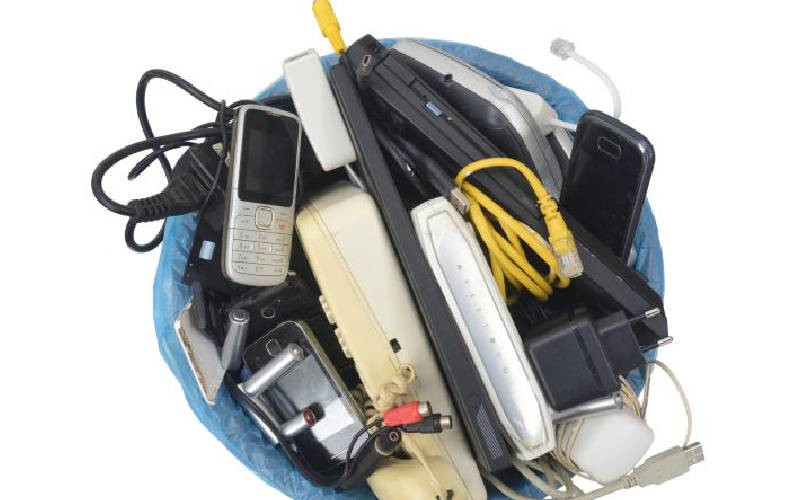
World Environment Day, observed annually on 5 June, presents an opportunity to raise awareness and take decisive measures on pressing environmental concerns. This year, day's theme is 'Solutions to plastic pollution', emphasising the urgent need to address the global crisis of plastic waste. Plastic pollution poses a visible menace to communities worldwide, with devastating impacts on human health, biodiversity, and ecosystems.
As we work together to find and support solutions, it's important to understand how recycling electronic waste, or e-waste, plays a crucial role in reducing plastic pollution and protecting the environment. E-waste plastics, one of the fastest-growing waste streams globally, often contain toxic substances such as heavy metals and brominated flame retardants. According to the World Economic Forum, 53.6 metric tonnes of e-waste - discarded electrical and electronic equipment - was generated globally in 2019, and the quantity is still rising with an estimated annual growth rate of 3-4 per cent. Plastics constitute nearly 20 per cent of e-waste, making it a major contributor to the plastic pollution crisis.
Subscribe to our newsletter and stay updated on the latest developments and special offers!










 join
join