×

The Standard e-Paper
Stay Informed, Even Offline
 The Standard Group Plc is a
multi-media organization with investments in media platforms spanning newspaper
print operations, television, radio broadcasting, digital and online services. The
Standard Group is recognized as a leading multi-media house in Kenya with a key
influence in matters of national and international interest.
The Standard Group Plc is a
multi-media organization with investments in media platforms spanning newspaper
print operations, television, radio broadcasting, digital and online services. The
Standard Group is recognized as a leading multi-media house in Kenya with a key
influence in matters of national and international interest.

Audio By Vocalize

Kenya has positioned itself in shaping how the world governs artificial intelligence, moving beyond technology adoption to influencing the institutions and frameworks that will regulate AI globally.
The country co-facilitated negotiations for the United Nations (UN) Global Digital Compact (GDC) alongside Sweden and helped establish two key UN bodies that will oversee international AI cooperation: the Global Dialogue Mechanism on Artificial Intelligence and the Independent International Scientific Panel on Artificial Intelligence.
In December, Kenya led member states at the seventh United Nations Environment Assembly (UNEA-7) to adopt the first global resolution linking AI governance with environmental sustainability, creating a framework that connects artificial intelligence development to planetary boundaries and environmental protection.
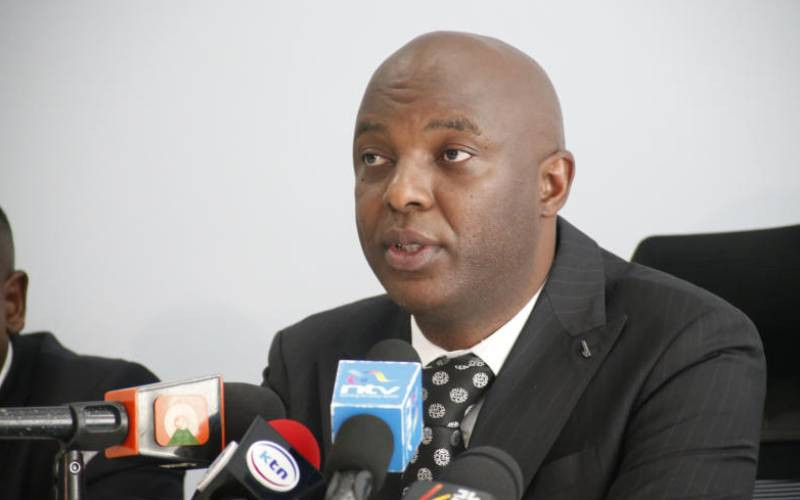
"Kenya is positioning itself as moving from being merely a user to a creator of technology," said Ambassador Philip Thigo, Kenya's Special Envoy on Technology, who was named to Apolitical's Government AI 100: 2026 list recognising public servants shaping government AI adoption.
The list places Thigo alongside UN Secretary-General's Envoy on Technology Amandeep Singh Gill and UAE Minister of State for Artificial Intelligence Omar Sultan Al Olama.
Kenya has also contributed to implementing the GDC, which President William Ruto's administration has made central to its technology and innovation agenda.
The government has prioritised digital transformation as a driver of economic growth and public service delivery.
However, the UNEA resolution faced resistance during negotiations. Saudi Arabia, Russia and the United Arab Emirates (UAE) pushed back against provisions on lifecycle environmental impacts, forcing removal of references to water and energy consumption in AI systems.
The country's involvement in these multilateral processes contrasts with most developing nations, which typically respond to AI governance frameworks designed by larger economies rather than participating in their creation.
Kenya's strategy leverages multilateral forums where smaller nations hold more influence compared to bilateral arrangements dominated by major powers.
As governments accelerate AI adoption, Kenya's presence in global AI governance institutions signals the country's attempt to ensure African perspectives shape how artificial intelligence reshapes economies and public administration worldwide.
The recognition comes as Kenya positions itself among countries influencing international AI policy conversations, with Thigo serving on the UN Secretary-General's High-Level Advisory Board on Artificial Intelligence since 2023.
Stay informed. Subscribe to our newsletter





Subscribe to our newsletter and stay updated on the latest developments and special offers!







 join
join