×

The Standard e-Paper
Kenya’s Boldest Voice
 The Standard Group Plc is a
multi-media organization with investments in media platforms spanning newspaper
print operations, television, radio broadcasting, digital and online services. The
Standard Group is recognized as a leading multi-media house in Kenya with a key
influence in matters of national and international interest.

Audio By Vocalize
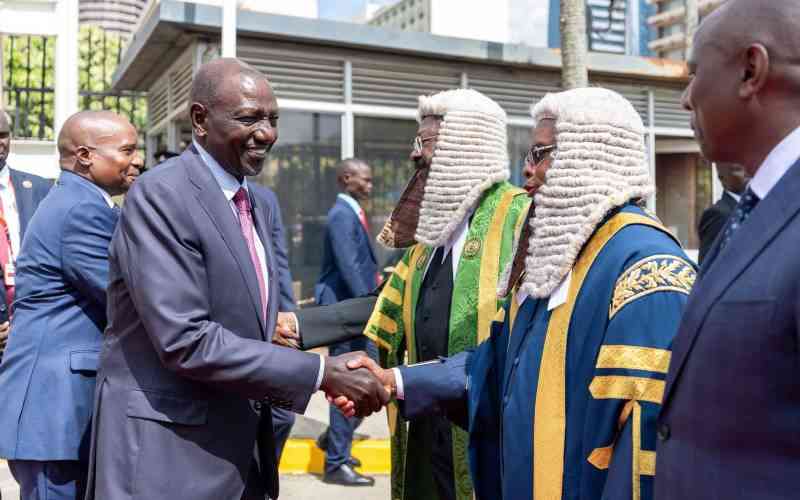
President William Ruto has challenged Parliament to fast-track consideration of the Tertiary Education, Placement and Funding Bill, 2026.
Ruto said the proposed legislation could reshape access to higher education by establishing a fairer, more sustainable financing framework for university and technical training.
In a major appeal to lawmakers during his fourth State of the Nation Address, the President said Kenya's education system must move beyond producing graduates with academic qualifications to developing a skilled, innovative generation capable of driving economic transformation.
He argued that financial constraints should not lock deserving students out of university, technical institutions and specialised training, insisting that every young Kenyan must have an opportunity to acquire skills relevant to the country's changing economic needs.
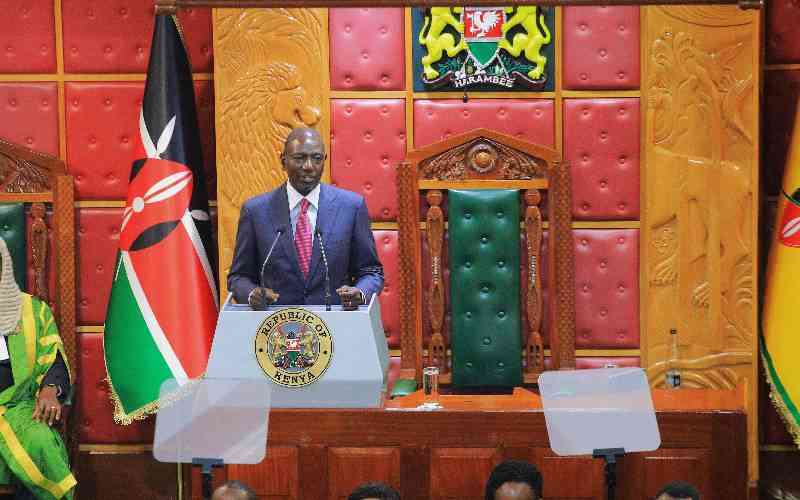
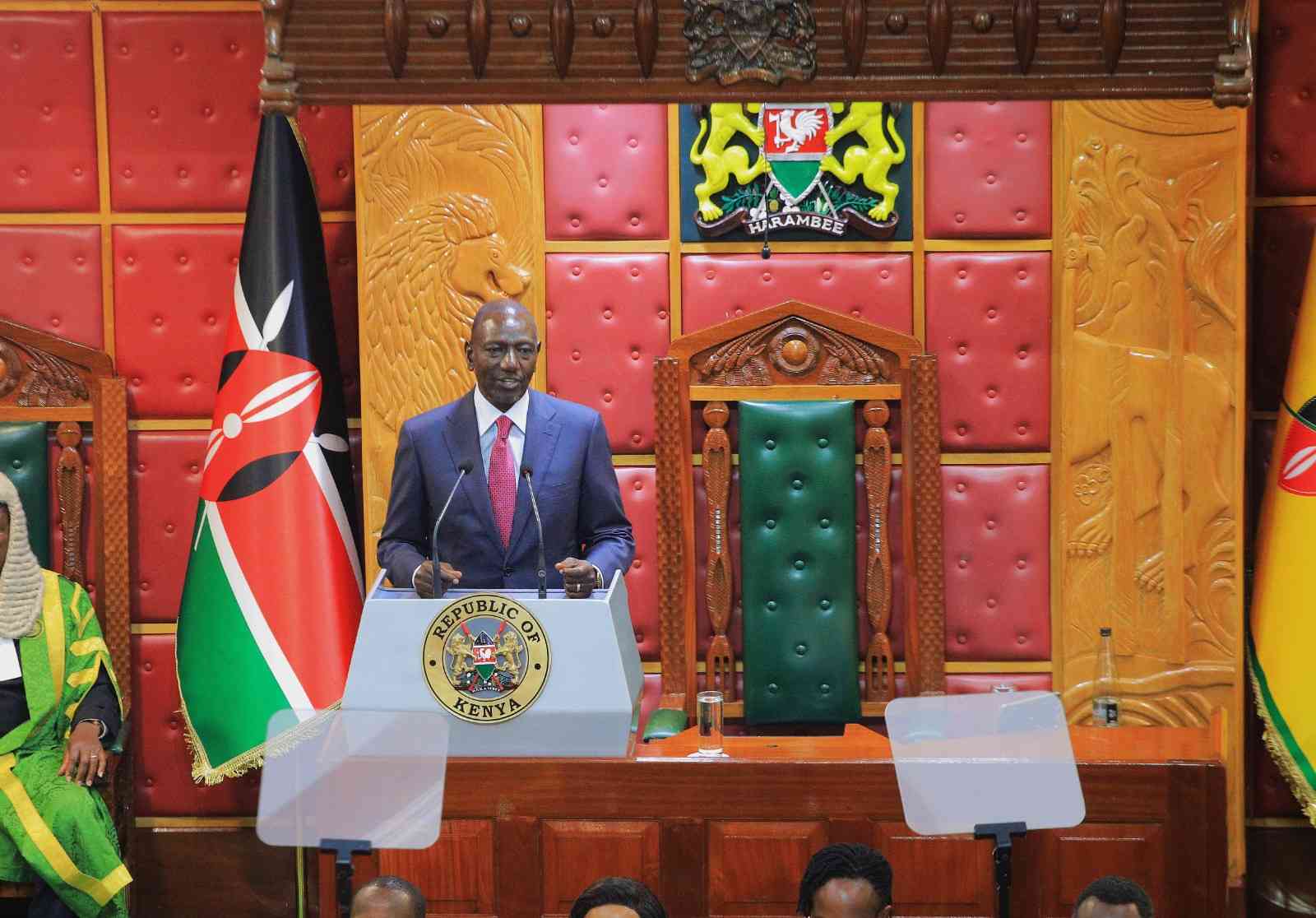
“This Parliament is considering the Tertiary Education, Placement and Funding Bill, 2026. I urge this House to give the proposals the scrutiny and public participation necessary to establish a fair, sustainable and effective framework,” Ruto said.
The proposed legislation comes against the backdrop of growing debate surrounding university financing, particularly following the introduction of the student-centred funding model, which was intended to direct financial assistance according to students' levels of need.
While the new funding approach sought to improve equity and ensure that public resources reached the most vulnerable learners, its implementation has attracted concerns from students, parents and university administrators over funding allocations, household contributions and the financial sustainability of institutions.
The Bill now presents Parliament with an opportunity to examine these concerns and establish a legal framework governing student placement, financial support and the funding of tertiary institutions.
At the heart of Ruto's argument is the need to align education with the demands of a modern economy increasingly driven by technology, innovation, research and specialised skills.
“Our education reforms must therefore connect learning to the skills required by a modern economy,” he said.
“Universities must produce knowledge and innovation. Technical institutions must prepare skilled professionals and artisans. Research institutions must develop solutions to the challenges facing agriculture, industry, healthcare and public administration.”
The President said the government intended to expand access to universities while strengthening Technical and Vocational Education and Training (TVET) institutions, Kenya Medical Training Colleges and other specialised training centres.
The proposed framework is expected to reinforce multiple learning pathways, giving young people opportunities to pursue academic, technical and professional qualifications depending on their abilities and career aspirations.
Ruto also called for greater investment in research, science and technology, arguing that Kenya must train young people not merely to compete for existing jobs but to create new economic opportunities.
“Our ambition is to develop not only a workforce capable of filling existing jobs, but a generation capable of creating new industries, developing new technologies and opening new frontiers of national prosperity,” he said.
Stay informed. Subscribe to our newsletter




Subscribe to our newsletter and stay updated on the latest developments and special offers!