×

The Standard e-Paper
Stay Informed, Even Offline
 The Standard Group Plc is a
multi-media organization with investments in media platforms spanning newspaper
print operations, television, radio broadcasting, digital and online services. The
Standard Group is recognized as a leading multi-media house in Kenya with a key
influence in matters of national and international interest.

Audio By Vocalize
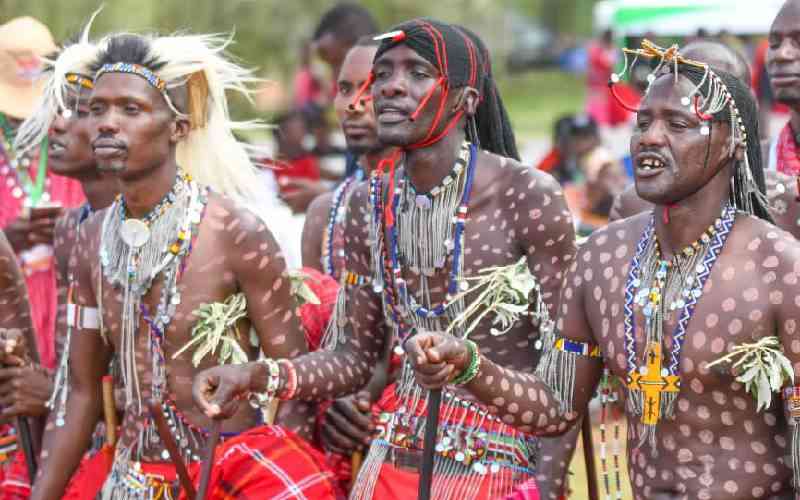
The Maasai Mara Game Reserve was transformed into a sea of red shukas, colourful beadwork, rhythmic chants, and traditional dances as thousands of Maa-speaking people from Kenya and Tanzania converged for the fourth edition of the Maa Cultural and Tourism Festival.
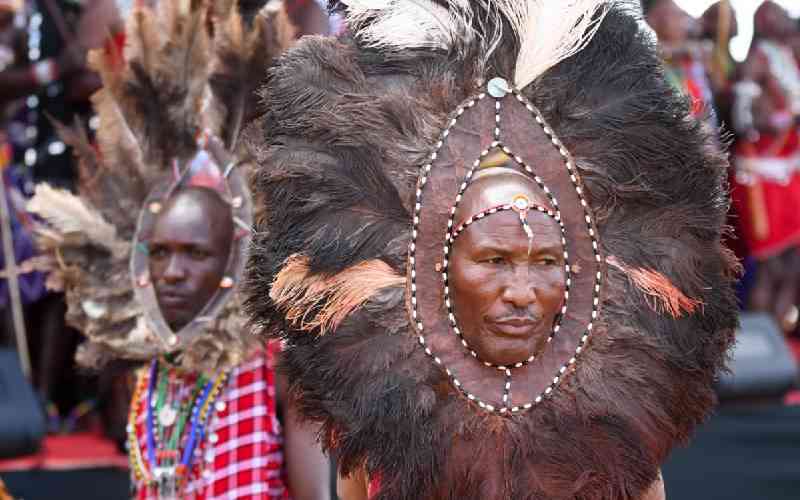
From the elaborate ceremonial headdresses to the energetic traditional dances, the opening day at Sekenani Gate was a spectacular display of a community determined to preserve its identity, even as modern lifestyles threaten to erode some of its traditions.
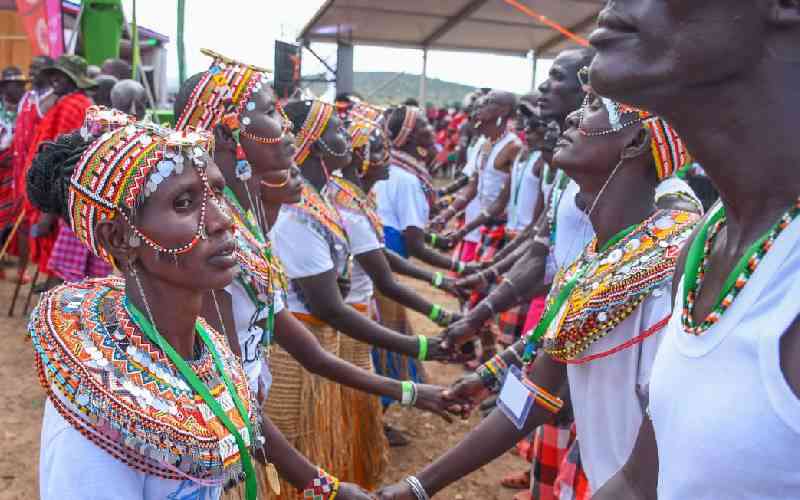
Men, women and young people dressed in traditional attire, with intricate beadwork adorning their necks, arms and waists, while groups took turns showcasing their distinctive songs, dances and cultural expressions.
The four-day extravaganza brought together delegates from Maa-speaking communities across Narok, Kajiado, Samburu, Laikipia, Baringo, Marsabit, Taita Taveta and Kwale counties, as well as neighbouring Tanzania.
The gathering provided a platform for communities to showcase their cultural diversity through traditional music, food, artwork, dress and other practices passed down through generations.
But the significance of the annual gathering goes beyond cultural entertainment, according to Mayiani Ole Tuya, Narok County Secretary and chairman of the festival organising committee, who sees the event as an opportunity to connect culture, conservation and commerce.
Tuya, in a live-link interview with KTN, said the gathering provides an opportunity for elders to pass on indigenous knowledge to younger generations, particularly traditional resource management, indigenous farming practices, and knowledge of local ecosystems, which can help communities respond to environmental and climate challenges.
Tuya also sees the festival as an economic opportunity for communities living around the Maasai Mara and other tourism destinations, saying it creates a marketplace for local artisans, women's cooperatives, traders, transport operators and hospitality businesses.
“Attendance had grown from approximately 12,000 people during the inaugural edition in 2023 to 20,000 in 2024 and 30,000 in 2025, with organisers projecting 100,000 visitors for this year's edition,” said Tuya.
His argument is that cultural heritage should not be treated as a relic of the past but as a living resource capable of supporting livelihoods, promoting conservation and driving sustainable development.
Food was also a major attraction, with traditional delicacies taking centre stage. Among them was munono, a mixture of blood and meat, alongside herbal soups prepared using indigenous plants believed by the community to possess medicinal and other health benefits.
Some of the delicacies were prepared by Maasai men in nearby thickets, offering visitors an opportunity to experience traditional food preparation methods.
But beyond the cultural spectacle, the opening day also provided a platform for political leaders to make their presence felt, with Narok Governor Patrick Ole Ntutu using the occasion to call for a festival free of political divisions.
“As we start this festival, I want to appeal to all of us that we are here for our heritage, let’s put aside our political differences, nobody is allowed to down any political colors, caps or any kind of dressing our party here is Maa identity,” said Ntutu.
Stay informed. Subscribe to our newsletter
Ntutu, who hosted the event, was accompanied by his Samburu counterpart, Lati Lelelit; Narok Deputy Governor Tamalinye Koech; Kajiado Deputy Governor Martin Moshiaho; Maa Economic Block officials led by Jackson Ole Mpario; county government officials; and Members of County Assembly.
However, the absence of Kajiado Governor Joseph Ole Lenku at the official opening sparked debate among some members of the Maa community, with questions emerging over his non-attendance at an event celebrating Maa identity, heritage and unity.
Neither an explanation for his absence nor an official response was immediately available.
Ntutu was categorical that the festival should not be turned into a political battleground, insisting that participants must embrace the cultural identity that brought them together.
"All of us who are here must dress in the Maasai dress code. No hats are allowed at the function, no long trousers. There are youths who will make sure all of you do not enter here with a different dress code," he said.
The governor's remarks were met with enthusiasm as participants embraced the traditional dress requirement, turning the festival grounds into a colourful exhibition of Maa identity.
Mpario, the chairman of the Maa Economic Block, said attendance had reached about 70 per cent on the opening day, with the Samburu delegation expected to arrive in large numbers ahead of Thursday's activities.
He expressed optimism that the festival would draw a full house as more delegates continued to stream into the Maasai Mara.
Gender issues are among the key subjects expected to feature in the discussions the following day.
Ntutu also announced that 40 cows would be slaughtered daily throughout the festival to cater for participants and visitors, underscoring the scale of the gathering.
Away from the cultural performances, the opening day witnessed another significant milestone for Narok County after Ntutu assented to the Narok County Youth Policy, which was officially approved by the County Assembly in March 2026.
The policy, unveiled during the festival under the theme "Leveraging Technology," seeks to provide a structured framework to empower young people and increase their participation in the county's social, economic and political development.
Anchored on the rallying call, Realising Narok County Youth Potential, the policy seeks to improve access to vocational and quality education, create internship opportunities within the county government and promote access to the Youth Enterprise Development Fund.
It also provides for the establishment of formal county youth committees and boards to ensure young people's concerns are channelled directly to the county government.
Narok County Assembly Speaker Davis Dikirr said, “The process of developing the policy began in 2023 through collaboration between the county government, the United Nations Development Programme (UNDP) and local youth alliances.”
The process was spearheaded by the County Department of Youth Affairs under County Youth Director Eric Tarakuai.
The policy is expected to strengthen youth participation in decision-making while addressing the diverse needs of young people from different backgrounds and grassroots communities.
In his closing remarks on the first day, Ntutu thanked Maa leaders, delegates from across the country and international visitors for supporting the festival, saying culture and tourism remained important pillars of the community's way of life.
"Culture and tourism remain vital pillars of the Maa community's way of life, a reality reflected in this year's theme: 'Promoting Maa Cultural Expressions for Socio-Economic Development'," he said.
As the festival moves into its second day, organisers are expecting more visitors and delegates at Sekenani Gate, with discussions on culture, gender, economic empowerment and community development expected to take centre stage.
For the Maa community, however, the bigger question remains whether the colourful annual celebration can go beyond the songs, dances and ceremonial speeches to inspire younger generations to embrace and preserve a heritage increasingly under pressure from changing lifestyles.




Subscribe to our newsletter and stay updated on the latest developments and special offers!