×

The Standard e-Paper
Join Thousands Daily
 The Standard Group Plc is a
multi-media organization with investments in media platforms spanning newspaper
print operations, television, radio broadcasting, digital and online services. The
Standard Group is recognized as a leading multi-media house in Kenya with a key
influence in matters of national and international interest.
The Standard Group Plc is a
multi-media organization with investments in media platforms spanning newspaper
print operations, television, radio broadcasting, digital and online services. The
Standard Group is recognized as a leading multi-media house in Kenya with a key
influence in matters of national and international interest.

Audio By Vocalize
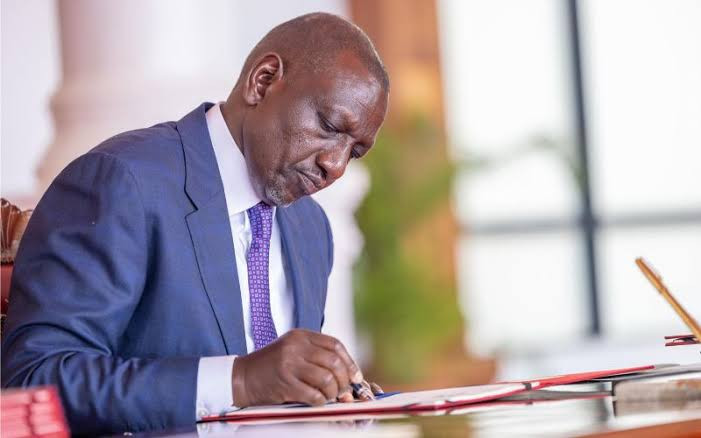
Air travellers departing from Kenya or travelling within the country will face higher ticket costs after President William Ruto signed into law a bill streamlining how passenger service charges are collected and distributed, a move that industry players warn could strain further the aviation industry that is already struggling.
The Air Passenger Service Charge (Amendment) Act, 2026, which Ruto assented to law on Tuesday, introduces a new remittance mechanism.
It requires the Government to channel funds directly to beneficiary agencies including the Kenya Airports Authority (KAA), Kenya Civil Aviation Authority (KCAA), Kenya Meteorological Service Authority, and the Tourism Fund.
Previously, all proceeds were paid into the KAA Fund before redistribution.
The charges themselves were already raised in October 2025 under the Air Passenger Service Charge (Amendment) Act, which increased the levy on international tickets from $40 (Sh5,200) to $50 (approximately Sh6,500) while domestic tickets from rose from Sh500 to Sh600, a 25 per cent and 20 per cent jump respectively.
The 2026 law, sponsored by Majority Leader Kimani Ichung'wah, formally codifies the distribution formula, which will be set by the Cabinet Secretary through a gazette notice.
The funds collected under the charge are apportioned among KAA, KCAA, the Kenya Meteorological Service Authority and the Tourism Fund in such manner as the Cabinet Secretary may, by notice in the gazette, specify.
The new law comes as Kenya's aviation sector grapples with severe financial turbulence.
National carrier Kenya Airways (KQ) reported a net loss of Sh17.2 billion for the year that ended on December 2025, citing supply chain disruptions, engine shortages and the grounding of three Dreamliner aircraft.
Revenue fell by 14 per cent, with passenger numbers dropping amid capacity constraints.
The situation has worsened in 2026. In the first half of the year, KQ's net loss ballooned to Sh16.08 billion, up from Sh12.15 billion in the same period last year, a 32 per cent increase.
This came despite a nine per cent rise in revenue to Sh81.25 billion, as jet fuel prices surged by 66 per cent amid geopolitical tensions in the Middle East, driving a 32 per cent increase in the airline's fuel costs.
Fuel now accounts for about 53 per cent of the airline's total operating costs, a significant cost burden that has squeezed the revenue margins.
KQ said global supply chain disruptions and shortages of critical spare parts "exerted sustained pressure on margins and overall network profitability".
Stay informed. Subscribe to our newsletter
"We had customers ready to travel but fewer aircraft were available to serve them," KQ said, describing the airline's capacity constraints during the period.
Industry experts warn that higher passenger levies, however modest, risk making Kenya a less competitive destination at a time when airlines are already passing on rising operational costs to travellers.
Beyond demand pressures, domestic carriers have already raised 2026 air fares on rising demand, with the government's increase in the passenger service charge adding to the cost of domestic air travel.
KQ's implemented a network-wide fare increase across all routes effective March 18, 2026.
Tourism industry players warn that aviation taxes are among the most counter-productive because they influence decisions before visitors even arrive.
They say the biggest source of revenue is not the tax on the flight ticket but money tourists spend once they arrive.
They say higher costs ultimately affect destination competitiveness, particularly as travellers compare African destinations offering similar safari experiences.
The government has defended the levies as necessary to improve aviation infrastructure, safety, and tourism promotion. The new law, Ruto said, marks "a major step forward in strengthening governance, accountability and service delivery."
Subscribe to our newsletter and stay updated on the latest developments and special offers!

 Prefer the Standard on Google