×
App Icon
The Standard e-Paper
Fearless, Trusted News
★★★★ - on Play Store
Read on the App

Management tips for your laying flocks

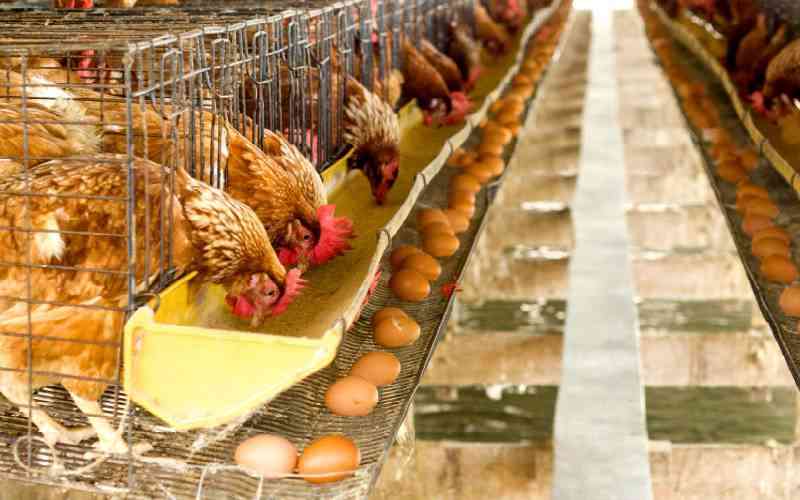
Layers will hit peak egg production of 92-95 per cent at 28 weeks of age and maintain that peak performance for a further 14 weeks. [File]

Dear Dr Messo,

I am an upcoming poultry farmer from Kitale. I recently read your article on “Checklist for Building a Poultry House,” which opened my eyes to the mistakes I may have made in my project.

I started with 500 layer chickens, but after just over six months, my flock has fallen to 450 birds. Additionally, my egg production is still exceptionally low, currently standing at only 4.4 per cent as of the last count. Kindly give pointers on how to turn around my flagging enterprise.

Regards,


Benson, Kitale

Thank you for sharing your egg production journey so far. Two worrying issues stand out in your flock: high death rates (10 per cent) at the point when birds should start laying and incredibly low egg production (only 4.4 per cent) at 27 weeks.

These are signs of inferior performance. Survival, egg production, and egg quality are traits that birds inherit from their parents, but superior results only happen with proper management—good feeding, housing, care, and handling.

Your birds may have started laying at a low average live body weight. To achieve good egg production, a farmer or poultry attendant must professionally manage flocks throughout their life. Here are factors that might have contributed to this scenario during the early life of your flocks.

Weeks 1–8 (chick/starter stage)

This is the foundation stage. Chicks need high-protein, high-energy feed to develop strong organs, bones, and immunity. It is important to keep chicks in the brooding stage at the correct temperature, humidity, and ventilation. It is equally important to provide a 24-hour lighting period in the first week to enable birds to locate feed and water. Always provide clean drinking water, and more so during hot weather conditions. From my experience, most farmers do not weigh their birds. It is important to weigh at least five per cent of the birds every week and compare with the expected standards. Each bird should eat on average about 1.8kg of starter feed during this stage. By five weeks, each bird should weigh 380–400g. If this target is missed, future egg production will be poor.

Weeks 9–18 (grower stage)

This stage prepares birds for laying. The goal is to maintain birds in good body size and weight. During this period, feeding a less dense grower will train them to eat enough feed for future egg production. Feeding a lower-energy, higher-fibre grower diet will help strengthen the liver, improve feather growth and help birds develop calm behaviour, thus reducing cannibalism.
By 15 weeks, birds should weigh 1.27–1.32kg, eating about 92–100g of feed per day per bird. Each bird eats about 5kg of grower feed during this period.

Weeks 19–78 (laying period)

As birds begin laying, you should change the feed from grower to layer feed. During this period, the majority of the birds reach sexual maturity and are eager to commence egg production. Weight must be controlled—overweight birds lay fewer eggs. By 19–20 weeks, birds should weigh 1.58–1.68kg and eat about 120 g of feed per bird per day. If birds are underweight at the start of laying, egg production will increase slowly and drop early after the peak. Birds should reach peak egg production (92–95 per cent) at around 28 weeks, maintain it for about 14 weeks, then slowly decline. By 80 weeks, each bird should produce 320–330 eggs, having eaten about 50kg of layer feed.

Keep germs out of your flock house

Poultry workers should always wear clean, disinfected footwear and clothing. When visiting birds of different ages, start with the youngest flock and the sick ones last, irrespective of their age. Take measures to control rodents, wild birds, and insects, as they are known vectors of poultry diseases. Do not permit the introduction of materials and/or equipment into the poultry house without thorough cleaning and disinfection, as these items can be carriers of disease-causing organisms.

In short, poor early feeding and management lead to low egg production and high deaths later. Superior results come from doing the basics right—proper feeding, correct weights, good housing, and close monitoring at every stage.

[Dr Messo is the company veterinarian, Kenchic]