×
App Icon
The Standard e-Paper
Truth Without Fear
★★★★ - on Play Store
Download Now

First museum of Samburu culture unveiled amid calls to preserve traditions

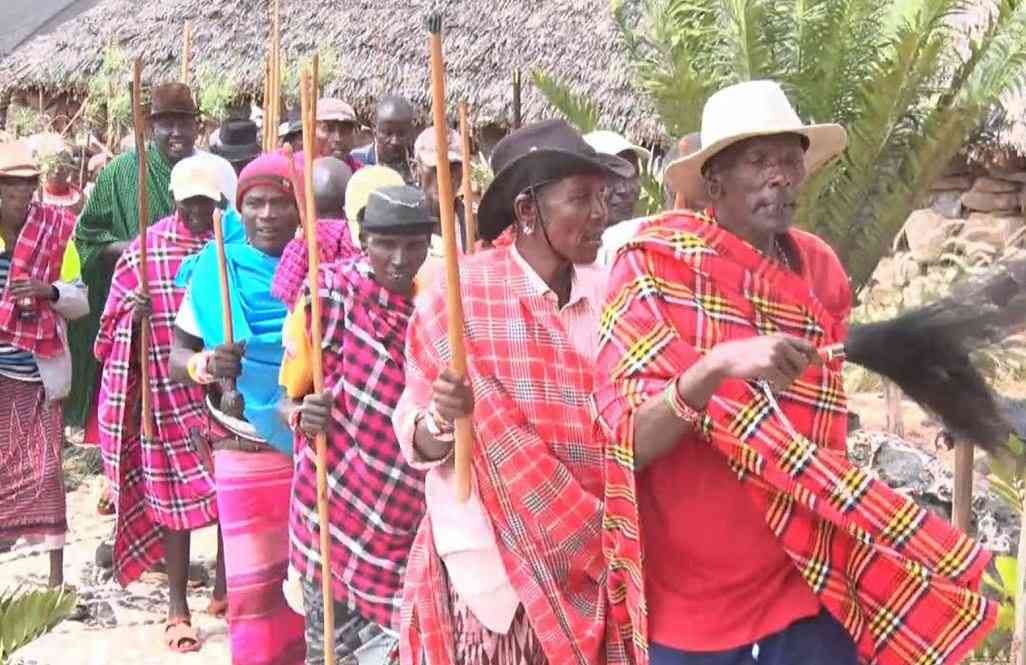
Samburu warriors and other community members celebrate the first Museum of Samburu Culture officially unveiled in Sasaab Village on December 6, 2025. [Bruno Mutunga, Standard]

In a landmark event that highlights the importance of cultural preservation, the first Museum of Samburu Culture was officially unveiled in Sasaab Village, located within the Westgate Community Conservancy in Samburu East Sub-County.

The unveiling of this museum comes at a time when there are growing calls for the younger generation to embrace their cultural heritage and safeguard it for future generations.

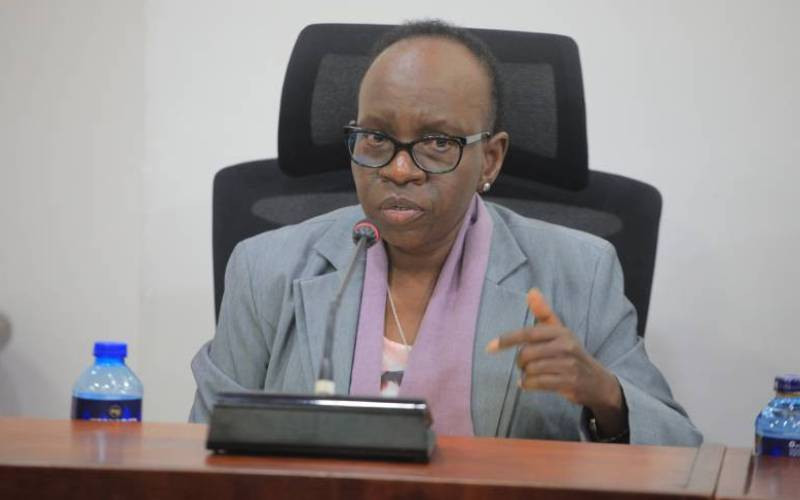
The museum, which has been named after its founder, Rhodia Mann, a woman deeply passionate about the Samburu way of life, is a testament to her life-long dedication to preserving the traditions of the Samburu people. Mann, now 83 years old, was born in Kitengela in 1942 to Polish-Romanian parents.


However, it was her early exposure to Samburu culture at the age of nine, when her father took her to a Manyatta (Samburu settlement) in Maralal, that profoundly shaped her life.

Since then, she has spent over five decades collecting traditional artifacts, documenting the social customs of the Samburu people, and dedicating herself to a mission that she began at the age of 16 following a dream that inspired her to champion the cause of cultural preservation.

The museum is a treasure trove of traditional Samburu artifacts, including intricate beadwork, attire, weaponry, and tools that the community used centuries ago. It also documents the community's social life, including the role of diviners, healers, and fortune tellers who used the stars to make predictions and guide the tribe.

The museum was named after its founder Rhodia Mann. [Bruno Mutunga, Standard]

This rich archive of knowledge is expected to be of great value to future generations, especially as African cultures face increasing erosion due to the influence of westernisation.

During the unveiling ceremony, Rhodia Mann spoke passionately about the museum’s significance, emphasizing that it took more than 50 years of dedicated work to bring the project to life.

"When I was young, I dreamt of a world where the Samburu way of life would live on, even as the modern world encroaches on our traditions. This museum is my way of ensuring that the history, values, and wisdom of the Samburu people are not forgotten," she said.

Local community members, including prominent figures such as area elder Thomas Leletur and youth leader Stella Napanu, praised Rhodia's efforts.

Leletur noted that the museum would provide a valuable educational tool for young people, especially as they face increasing pressure from modernization to abandon their traditional practices.

He highlighted the immense practical value of Samburu cultural knowledge, from the community’s methods of weather forecasting to the use of traditional herbs for healing before the advent of modern medicine.

"When the rains were delayed, our elders would pray, and our women would sing at the riverbed, and the rains would come," Leletur recalled. "This is just one example of how our culture helped us live in harmony with nature."

Stella Napanu, who spoke on behalf of the youth, echoed these sentiments and called on other ethnic communities in Kenya to establish similar cultural preservation initiatives. "If we do not preserve our culture, we risk losing it forever. This museum is a beacon of hope for the future," she said.

Stephen Lenantoiye, the Warden of the Westgate Community Conservancy, also commended the initiative, highlighting that it would help safeguard the Samburu people’s rich cultural heritage. "Young people must visit this museum, learn from it, and ensure that our traditions continue to thrive," he urged.

As modernisation continues to sweep across Africa, initiatives like the Samburu Cultural Museum serve as crucial reminders of the importance of cultural identity and the need to preserve it in the face of change.

Rhodia Mann’s unwavering dedication to the Samburu people’s heritage has created a space where their history, wisdom, and way of life will live on for generations to come.