×

The Standard e-Paper
Fearless, Trusted News
 The Standard Group Plc is a
multi-media organization with investments in media platforms spanning newspaper
print operations, television, radio broadcasting, digital and online services. The
Standard Group is recognized as a leading multi-media house in Kenya with a key
influence in matters of national and international interest.
The Standard Group Plc is a
multi-media organization with investments in media platforms spanning newspaper
print operations, television, radio broadcasting, digital and online services. The
Standard Group is recognized as a leading multi-media house in Kenya with a key
influence in matters of national and international interest.

Audio By Vocalize
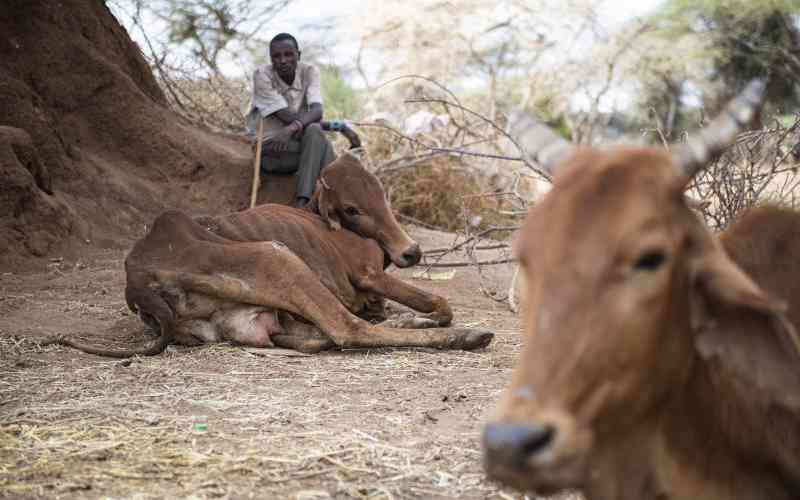
Political leadership is always on your screens whenever disruptive and deadly disasters occur, sometimes reaffirming beliefs that disasters are mere acts of nature, bad luck, or God punishing the sinful. Disasters appear unprecedented.
In Africa, the loss and damage associated with climate change are not mere acts of nature but sometimes also a result of poor policy choices, bad governance and misplaced economic priorities that focus on profit, not people. Such happens in the form of housing projects and infrastructure in areas meant to absorb climatic shocks, such as flood plains, or draining of wetlands for real estate. Such key ecosystems are viewed as idle land.
Loss and damage resulting from such choices are not mere accidents or acts of nature. Not when wetlands that could slow floods have been reclassified as idle land. Forests that should hold soil and regulate rainfall are considered development obstacles, cleared with the approval of governments, for development. The disasters are never unpredictable; there are early warning systems, climate data and seasonal forecasts.
These poor choices have encouraged the spread of informal settlements, especially where urban planning has excluded the poor. These same informal settlements are the scenes of death and destruction whenever floods hit, followed by increased risk of water-borne diseases. Then, evacuation plans without adequate transport follow. Disaster victims enjoy relief food but miss out on compensation for losses incurred.
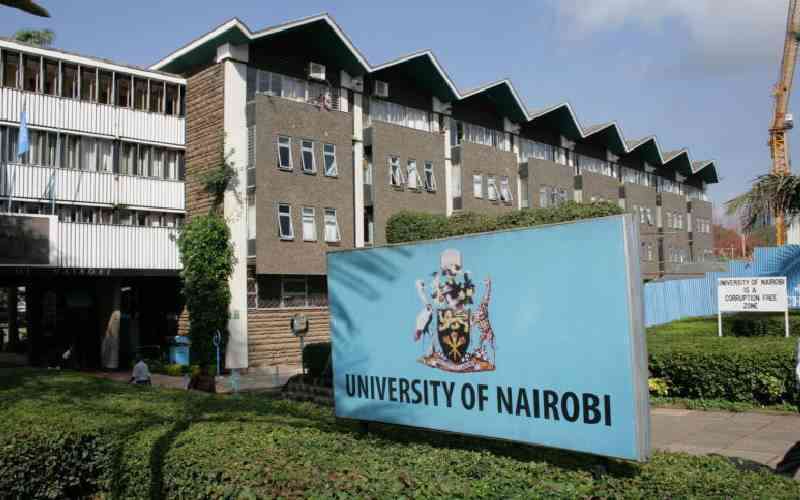
In Kenya, for instance, the 2024 long rains and ensuing flooding killed up to 291 people and displaced over 55,000 households. More than 412,000 people were directly affected across 35 counties, including losing their livelihoods. Reports indicate that at least 60 per cent of Nairobi’s wetlands have been converted to either real estate or consumed through industrial expansion or illegal settlement. Wetlands absorb excess water, hence their role in controlling floods. Other satellite-aided analyses have shown how nearly 30 per cent of the Ngong River’s natural floodplain has been lost to development, especially around South C and Langata, while informal settlements such as Kibra, Mukuru and Mathare spread to riparian land.
The politics surrounding the Yala Swamp have not prevented its depletion as a result of agricultural expansion and human settlement, yet that was initially one of the controls of water flow into Lake Victoria. When communities are pushed towards resilience and praised for efforts made, without governments doing what they should, good governance dies, and people in power fail to stick to land-use plans and policies.
Since it is obvious that these crucial and sensitive parts of the ecosystem are sold to the highest bidder or grabbed by the powerful, political will plays a role in how disasters affect vulnerable communities. With political will, policies have meaning because they can be enforced.
It is wrong to push communities towards resilience and normalising preventable suffering while continuing to approve the construction of houses on riparian land, waterways, cleared forests or wetlands. This same tendency is visible in the global arena, with Africa encouraged to work on adaptation and mitigation while richer nations continue to approve new fossil fuel projects and expansion of existing ones.
During global negotiations, commitment does not necessarily translate to action. Climate funds trickle down to South Africa the slowest, with bureaucracies galore, although African leaders actively participate in these talks. It is not random that the poorest people and countries suffer the most in climate disasters.
It is akin to policy violence. But change, however little, must start locally, before going globally. African governments must stand strong, respond to disaster warnings at the same speed as they do to investor concerns. They must not prioritise extractives revenue over ecological stability.
- The writer is a Contributing Editor at Mongabay. [email protected]
Subscribe to our newsletter and stay updated on the latest developments and special offers!









 join
join