×

The Standard e-Paper
Stay Informed, Even Offline
 The Standard Group Plc is a
multi-media organization with investments in media platforms spanning newspaper
print operations, television, radio broadcasting, digital and online services. The
Standard Group is recognized as a leading multi-media house in Kenya with a key
influence in matters of national and international interest.
The Standard Group Plc is a
multi-media organization with investments in media platforms spanning newspaper
print operations, television, radio broadcasting, digital and online services. The
Standard Group is recognized as a leading multi-media house in Kenya with a key
influence in matters of national and international interest.
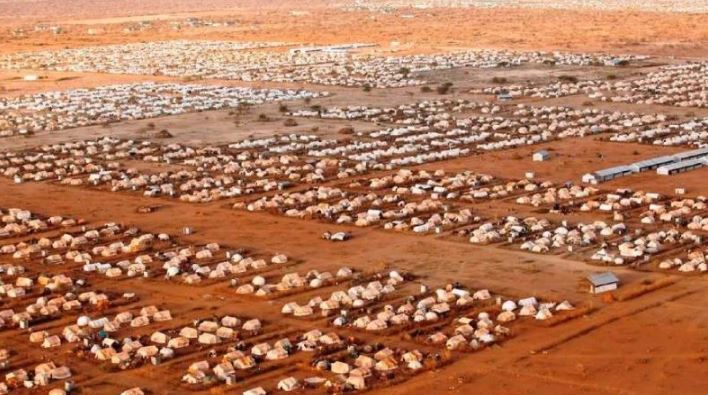
Among the challenges facing post-colonial African states was the handling of refugees and it took time for the OAU, in Nairobi, to adopt its 1981 refugee charter. Before then African states behaved as if only remnants of white settler colonies created refugees. Even then, few countries agree to bear the refugee burden and Kenya often finds itself alone in sheltering refugees.
What's more, powerful countries talk much about looking after refugees but do little to help cater for them. Along the way in time, Kenya took Milton Obote and Idi Amin generated refugees from Uganda, refugees from the unending Sudan civil war, and from disrupted Ethiopia after the Haile Selassie ouster. Refugee accommodative Kenya set up Dadaab in Garissa for Somali refugees in 1991 and Kakuma in Turkana for Sudan/Ethiopia refugees in 1992. Kenya’s humanitarian gesture backfired as Dadaab and Kakuma stopped being temporary rescue centres for desperate people and turned into permanent self-perpetuating and thriving settlements with extra-territorial privileges. Catering for foreign interests, whether as supposed refugees or as international refugee functionaries, the camps became threats to the host country.
Subscribe to our newsletter and stay updated on the latest developments and special offers!

 Prefer the Standard on Google








 join
join