×

The Standard e-Paper
Smart Minds Choose Us
 The Standard Group Plc is a
multi-media organization with investments in media platforms spanning newspaper
print operations, television, radio broadcasting, digital and online services. The
Standard Group is recognized as a leading multi-media house in Kenya with a key
influence in matters of national and international interest.

Audio By Vocalize
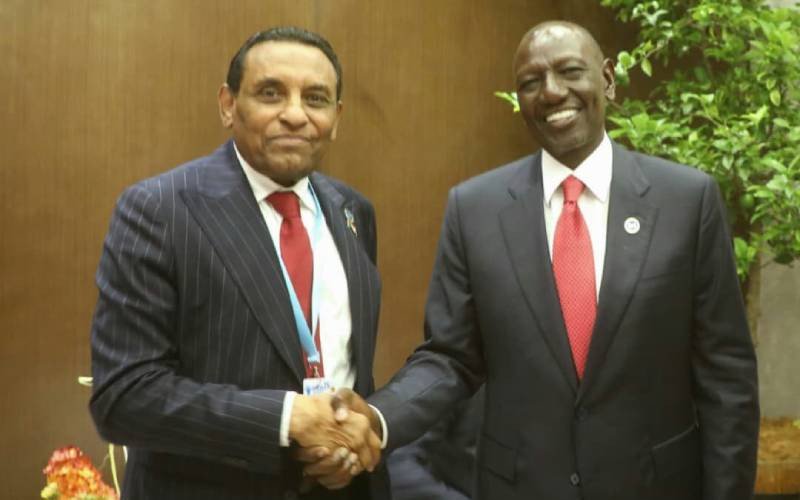
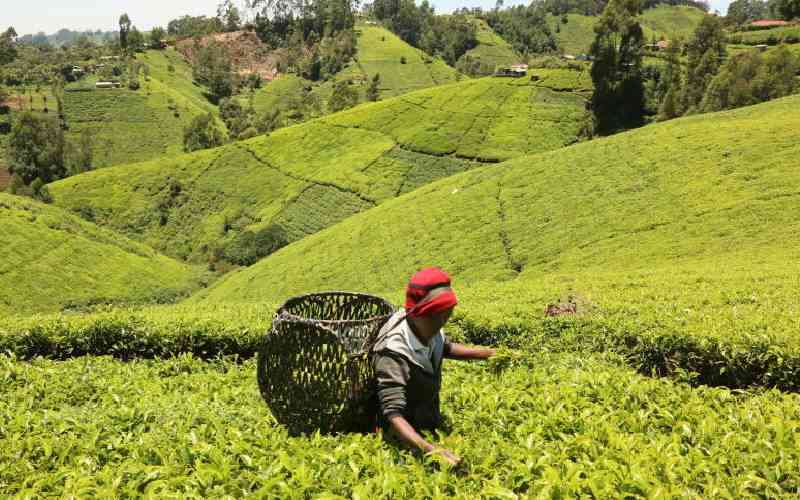
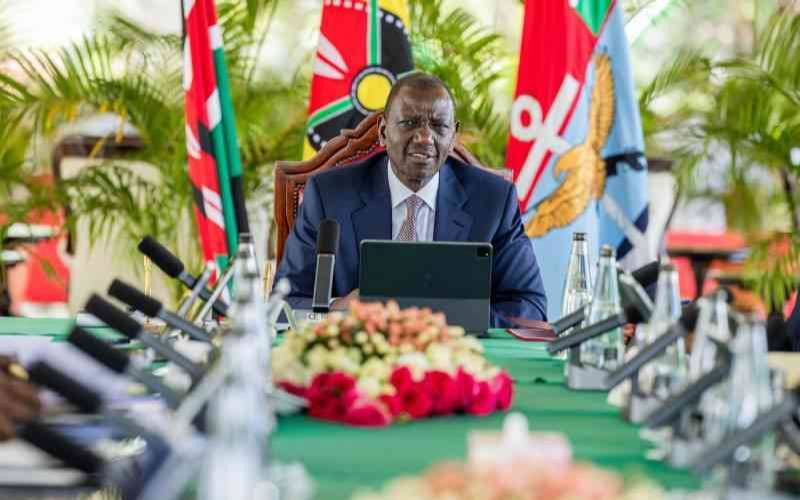
President William Ruto has welcomed Sudan’s decision to lift a 20-month ban on Kenyan tea imports, but made no mention of the diplomatic dispute that triggered the restrictions, Nairobi’s hosting of meetings involving Sudan’s paramilitary Rapid Support Forces (RSF).
Ruto on Wednesday, November 11, said the decision followed his meeting with Sudanese Prime Minister Kamil Idris on the sidelines of the Common Market for Eastern and Southern Africa (COMESA) Heads of State and Government Summit in Harare, Zimbabwe.
In a post on X, Ruto said the lifting of the ban would reopen an important market for Kenyan tea, restore opportunities for exporters and support the livelihoods of farmers and their families.
“Kenya welcomes and appreciates this decision, which reopens an important market for our tea, restores opportunities for our exporters and supports the livelihoods of our farmers and their families,” he wrote.
He described the development as evidence of the value of dialogue and constructive diplomacy, expressing optimism that Kenya and Sudan would strengthen bilateral relations, expand trade and work together to promote regional peace and stability.
However, the President did not address the circumstances that led Sudan to impose the restrictions in March 2025.
Khartoum banned Kenyan tea imports, after Nairobi hosted meetings at which the RSF and allied groups signed a charter to establish a parallel government in Sudan.
Sudan condemned Kenya’s hosting of the meetings as interference in its internal affairs, triggering diplomatic tensions between the two countries and disrupting a Kenyan tea market estimated to be worth about Sh9 billion ($70 million) annually.
The restrictions have now been lifted through Ministerial Order No. 25, issued by Sudan’s Trade and Industry Minister, Mahasin Ali Yaqoub. The order directs the immediate removal of restrictions on Kenyan tea imports and instructs relevant authorities to implement the decision.
The lifting of the ban was formally approved by Sudan’s Sovereignty Council in a letter dated November 2, followed by a Cabinet communication issued on November 5.
Subscribe to our newsletter and stay updated on the latest developments and special offers!


 Prefer the Standard on Google