×

The Standard e-Paper
Join Thousands Daily
 The Standard Group Plc is a
multi-media organization with investments in media platforms spanning newspaper
print operations, television, radio broadcasting, digital and online services. The
Standard Group is recognized as a leading multi-media house in Kenya with a key
influence in matters of national and international interest.
The Standard Group Plc is a
multi-media organization with investments in media platforms spanning newspaper
print operations, television, radio broadcasting, digital and online services. The
Standard Group is recognized as a leading multi-media house in Kenya with a key
influence in matters of national and international interest.

Audio By Vocalize
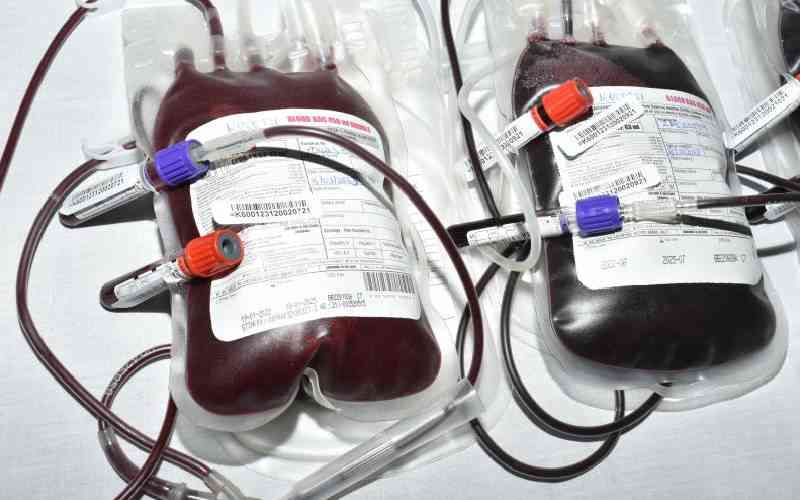
Blood pints at Mama Lucy Kibaki Hospital in Nairobi on March 8, 2023. [File, Standard]
The blood you don’t need could be exactly what someone else is praying for. It sounds inconceivable, yet for patients requiring frequent therapeutic phlebotomy—blood removal as treatment—this blood is lifesaving. Sadly, such blood cannot be used for transfusions, highlighting the need for proper screening before donations are considered suitable.
When phlebotomies are missed, vague symptoms such as vomiting, headache, fatigue, dizziness, and loss of appetite may appear. First-time sufferers often mistake these for malaria, self-medicating before seeking medical care, as was the case with Otieno.
Otieno enjoyed a healthy childhood and adolescence, but at 20, after three months of regular smoking, he began experiencing severe headaches, dizziness, fatigue, and vomiting.
Initially assuming malaria, he took over-the-counter antimalarials without relief. Subsequent hospital visits and treatments eventually led to a diagnosis of polycythemia, a condition where the body produces too many red blood cells, increasing the risk of blood clots, heart attack, or stroke if untreated.
Treatment may involve frequent phlebotomy, blood thinners, or medications that slow red blood cell production. Avoiding triggers that raise blood production also helps.
Polycythemia is rare in Kenya, with no published national data, and is observed more frequently in men. Biological factors, such as naturally higher haemoglobin levels and testosterone-driven red blood cell production, make men more susceptible. Lifestyle factors, including smoking, high-energy work, and chronic lung conditions, can also contribute, as seen in Otieno’s case.
Athletes training at high altitudes may experience a natural increase in red blood cells (physiological polycythemia) to carry more oxygen. With proper hydration, rest, and methods, such as “live high, train low,” this generally does not cause complications.
However, misuse of testosterone or performance-enhancing steroids can trigger polycythemia. Being overweight may also contribute, as the heart works harder to deliver oxygen, prompting excess red blood cell production.
Polycythemia often presents with vague symptoms, which can be mistaken for other illnesses like malaria. In some cases, patients may experience night sweats, weight loss, or low-grade fever. Paradoxically, it may cause bleeding, nosebleeds, gum bleeding, easy bruising, or blood in stools or vomit, because thickened blood slows circulation and affects platelet function.
Prompt medical attention is essential. Untreated polycythemia increases the risk of clot formation, which can lead to deep vein thrombosis, pulmonary embolism, heart attack, or stroke.
Treatment depends on the cause: phlebotomy may be frequent in polycythemia vera (the cancerous type) but is only needed if symptoms appear in secondary forms caused by chronic lung disease, obesity, or altitude training. Blood thinners and management of underlying conditions, such as sleep apnoea or airway obstruction, reduce complications.
Prevention focuses on lifestyle: stop smoking, manage chronic lung disease, and avoid overexertion. In medicine, appearances can be misleading, and early consultation with qualified professionals can make all the difference. For people like Otieno, timely diagnosis and proper care are lifesaving.
Dr Rachel Kerubo is the Resident Medical Officer at Department of Internal Medicine, Nyamira County Referral Hospital
Stay informed. Subscribe to our newsletter
Subscribe to our newsletter and stay updated on the latest developments and special offers!











 join
join