Why toxin on the cattle skin could mean sweating sickness

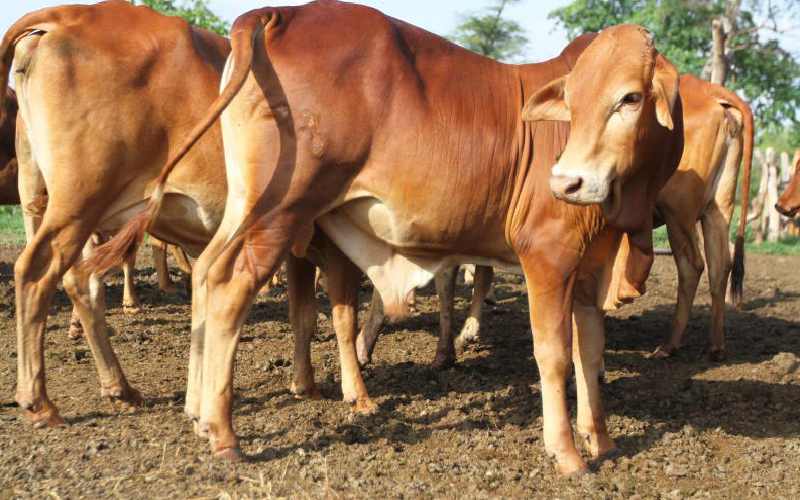
Some of the Sahiwal cattle reared at Marigat Mission Hospital in Baringo. Farming is done to to train locals on importance of balanced diet, to prevent malnutrition. [Kipsang Joseph]

The sweating sickness in cattle is a tick-borne condition that affects the skin and visible mucous membranes of cattle. It is caused by a toxin to the skin, secreted by female ticks of the tick called Hyalomma truncatum. It usually affects young calves, but adults are also susceptible.

How does Sweating sickness spread?
The toxin develops in the tick, not in the calf. Severity of the disease depends on how long the toxin-producing ticks stays on a susceptible animal. A very short period of time has no effect. However, if the exposure is longer than five days, clinical signs and death ensues.

What are the Signs of Sweating Sickness?

Clinical signs do not usually appear before ticks have been attached for about a week. 

The symptoms include fever, salivation, and reddening of the skin and visible mucous membranes. There is also loss of appetite, watering of the eyes and nose, salivation, and tenderness of the skin. The skin feels hot and the eyelids stick together. A few days after the onset of fever a moist rash that is red and itchy (eczema) appears. 

This may be all over the body but more often it is localized to patches on the head, the neck, flank, axilla or groin. Hair is matted and sticks together with beads of watery fluid on the hair tips. Tufts of hair with skin attached can easily be pulled from these areas, exposing raw, red wounds. The skin is very sensitive and painful and has an unpleasant smell. The tips of the ears and the tail may fall off. 

Additionally, the margins of the hooves are very painful. The animal is distressed by bright sunlight and seeks shade. It resents being handled. It may have diarrhea, nasal and oral erosions and a frothy nasal discharge. At this stage death may occur. 

Signs of recovery include resumption of appetite, but affected areas of skin remain thick and corrugated. The hair is often shed from these areas- sometimes from the whole body- but regrows within 3-4 weeks. 

Death in affected calves ranges from 30-70% and 100% of calves in areas where the disease is prevalent may be affected.

This all depends on the numbers of ticks, the length of time they are on the host and the immune status of the herd. 

How to prevent and control of Sweating sickness?

A tick infestation of at least 3 days’ produces immunity. Tick eradication is rarely possible due to the fact that the larvae and nymphs can feed on alternative hosts. Dipping or spraying are the means of control.

It is advisable to use an acaricide with a 2-3-day residual action at 7 day intervals will allow the ticks to feed for about 4 days, and so produce a mild or inapparent reaction with subsequent immunity.

What is the treatment for Sweating sickness?
There is no specific treatment, as this is not an infection.

The best course is to remove the ticks, treat symptoms by good nursing and provide appetising food.

The Veterinarian should administer antibiotics to suppress secondary infections of the skin, respiratory and alimentary tracts.


Want to get latest farming tips and videos?
Join Us


sweating sickness