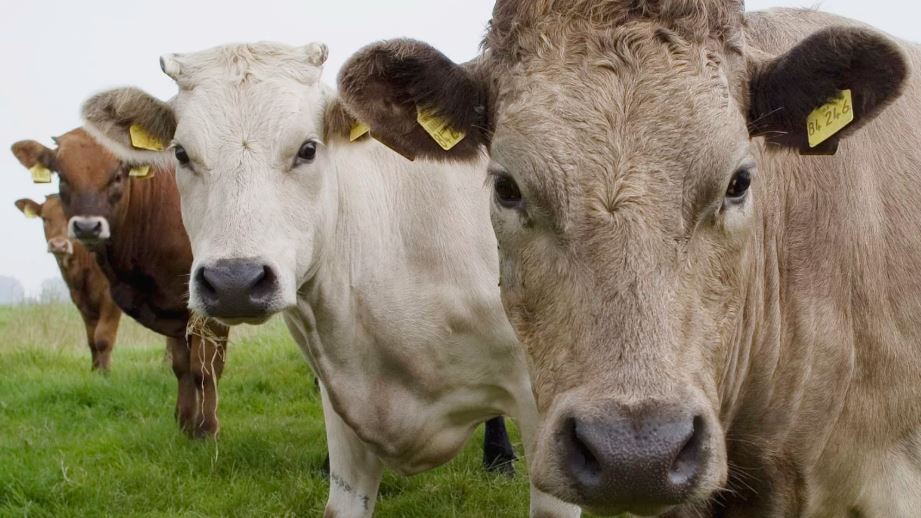
Globally, many countries have introduced the use of individual animal identification and registration based on application of numbered electronic or printed ear tags on an animal and storage of owner and animal information in a web based database.
Popularly referred to as Livestock Identification and Traceability Systems (LITS), these technologies now have widespread and universal use in cattle in developed countries, South Africa, Namibia and Zimbabwe.
The main purpose of LITS is to provide a system that can be used to trace an animal’s production and health history from birth up to slaughter. This in turn makes it possible, for example, to trace an animal product from a marketed batch back to the farm of origin.
This is now the accepted international framework for providing credible assurance to consumers on the safety of traded food products and is the basis for evaluating the risk of introduction and spread of diseases into a country’s animal and human populations through international trade.
Indeed, the use of LITS in international trade was spurred by need to address consumer fears over the outbreak of mad cow disease that caused a fatal neurodegenerative disease in cattle and humans in Europe and the Americas in the late 80s and 90s.
Other than their use in farmed domestic animals, electronic identification of pets using sub-dermal microchips is already mandatory for dogs and cats travelling to the European Union and has been in place in Kenya as a requirement of veterinary export certification.
Universal identification
Kenya is now poised to introduce the universal identification and registration of animals, initially targeting cattle. Subsequent phases of the programme will cover sheep, goats, camels, donkeys and companion animals. Once the system is in place, it will provide a platform for animal data and information management that will support international trade, regulation and planning for the livestock sector by national and county governments.
In the past, Kenya has relied on hot iron branding to identify cattle either to individual owners, farms or to distinct administrative jurisdictions like counties or sub counties.
The Branding of Stock Act Cap 357 of the Laws of Kenya makes provision for the allocation of individual or county registered brand marks through the office of the Registrar of Brands.
When professionally and universally applied, brand marks offer a fairly robust platform for proof of ownership and of determination of animals’ origin at abattoirs for food safety reasons. Brand marks permanently imprinted on animals also act as deterrence for cattle theft and aid in restitution of lost assets and prosecution of offenders.
Hot iron branding
Hot iron branding however has some considerable challenges if used alone that compromise its effectiveness. Further, the use of improper branding sites and techniques can cause major losses to the hides skins and leather industry and cause pain and distress to animals.
To address these challenges, various initiatives have been undertaken in Kenya to pilot and test the use of alternative and modern methods to complement hot iron branding.
These have chiefly revolved around the use of different identification devices ranging from rumen boluses that are electronic implants embedded in an animal’s stomach, electronic and printed ear tags and sub-dermal implants placed under the skin.
Kenya is piloting a programme with the banking sector under which animal registration information will be used to provide collateral for bank loans thus increasing access to banking and credit for the majority of livestock owners who are unbanked. We are finalising development of a policy and legal framework to strengthen animal identification and registration. Kenya is now well underway in the quest for a universal animal registration system that is farmer and industry driven with minimum public sector support.
The use of LITS will not only enable the country address domestic and export consumer concerns and meet compliance with requirements for international trade, but will also ensure Kenya discharges its obligations to global health and security as a member of the family of modern nations.
[The writer is the Principal Secretary in the State Department of Livestock]
Want to get latest farming tips and videos?
Join Us
 The Standard Group Plc is a multi-media organization
with investments in media platforms spanning newspaper print operations,
television, radio broadcasting, digital and online services. The Standard Group
is recognized as a leading multi-media house in Kenya with a key influence in
matters of national and international interest.
The Standard Group Plc is a multi-media organization
with investments in media platforms spanning newspaper print operations,
television, radio broadcasting, digital and online services. The Standard Group
is recognized as a leading multi-media house in Kenya with a key influence in
matters of national and international interest.





 join
join 