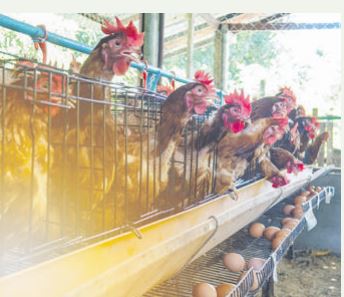
I started a poultry project on breeding and hatching the slow growing improved kienyeji chicken. So far I have 80, 9-month-old egg laying hens. My hen to cock ration is 4:1 but so far over 80% of my incubated eggs are not hatching. What could be the problem? Jane, Kisumu
Hello Jane,
It’s not easy to quickly identify the solution to hatch failure in your venture. However, let me walk you through some causes.
Embryo mortality
Unsuccessful hatches occur due to setting infertile eggs or due to embryo mortality at any stage prior to or during incubation. This can only be diagnosed by breaking the shells of these un-hatched eggs and examining every one of them; infertile eggs will appear fresh, with both yellow yolk and white albumen well formed. A dead embryo will appear in different sizes depending on the stage of development and will lose the bright yellow colour. Instead, you see a brown or dark smelly liquid depending on how long the formed embryo has been dead.
Sexually inactive males
Infertility accounts for about 37 per cent of causes of hatch failure, 55 per cent due to embryo mortality while 8 per cent due to bacterial contamination. The question to ask is, ‘are the males sexually active’? Active males will appear large framed, tall, strong with bright red combs and wattles. The legs will appear stout and with bright red veins visible on close examination. They should weigh between 2.5 to 3.5 kg live weight. Extremely thin males or obese males cannot function properly and consistently. Good males will be crowing and active in the afternoons.
Low semen quality can also result in hatch failure. If physical conditions for whatever reason are poor, this will result into poor semen quality. For instance, high room temperatures can affect fertility several days after mating. Inbreeding can also result in lowered semen quality.
The male: female ratio of 1:4 is more than adequate if the males are sexually active, a ratio of 1:10 should never be exceeded otherwise hens will never be mated.
If your flocks are diseased, this may affect both hens and cockerel’s reproductive system and result in infertility. A vet needs to visit and ascertain that no infection is spreading in your flock house, illness in either the male or the female can be the cause of infertility.
Overuse of medications. For example, Doxycycline lists among its side effects, a lowering of male fertility.
Incorrect incubation conditions can lead to hatch failure. The four basic needs of a good incubator include setting and maintaining stable temperatures of 37.7 degrees Celsius, wet bulb humidity of 83-86 degrees, regular turning of 45 degrees every hour for the first 7 days, adequate supply of oxygen and removal of carbon dioxide especially from day 10 of incubation. You must also ensure that your incubator is clean and disinfected every day. A breach in any of these requirements will result into embryo mortality or poor chick quality.
For questions and more information, write to us on @smartharvest