×

The Standard e-Paper
Smart Minds Choose Us
 The Standard Group Plc is a
multi-media organization with investments in media platforms spanning newspaper
print operations, television, radio broadcasting, digital and online services. The
Standard Group is recognized as a leading multi-media house in Kenya with a key
influence in matters of national and international interest.
The Standard Group Plc is a
multi-media organization with investments in media platforms spanning newspaper
print operations, television, radio broadcasting, digital and online services. The
Standard Group is recognized as a leading multi-media house in Kenya with a key
influence in matters of national and international interest.

Audio By Vocalize
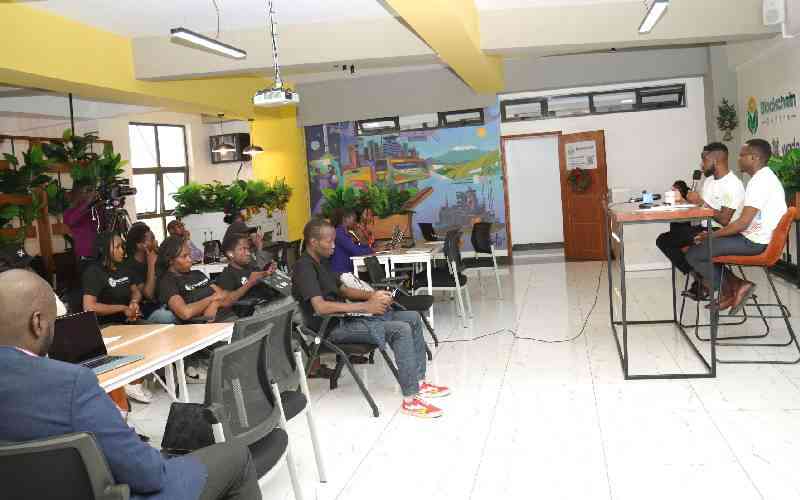
Participants and organisers of the upcoming Cardano Africa Tech Summit (CAT26) during an interactive session in Nairobi on December 10, 2025. [Benard Orwongo, Standard]
African developers are moving away from short-burst hackathons and adopting a slower, community-first approach that requires teams to consult residents before building digital tools.
Organisers of the upcoming Cardano Africa Tech Summit (CATS26) say this shift is reshaping how blockchain solutions are developed across the continent. The summit, scheduled for February 13, 2026 in Nairobi, marks the end of a months-long hackathon that asked teams from Nigeria, Ethiopia, the Democratic Republic of Congo (DRC), Rwanda and Burkina Faso to begin by listening to communities before writing code.
Organisers say this model replaces the long-criticised practice in which developers produce quick prototypes that rarely reach actual users.
“This is not the usual hackathon chasing ideas that disappear after the weekend,” said Darlington Wleh, President of the Blockchain Centre Nairobi (BCN). “We began by asking communities what needs to change and what problems they face every day, then developers built solutions that matter.”
Teams worked with residents from locations as varied as the slopes of Nyiragongo in eastern DRC and farming communities in Burkina Faso. Projects span financial access and digital identity in Nigeria and Ethiopia, public service tools in Rwanda, supply chain tracking in eastern DRC and agricultural resilience in Burkina Faso.
Organisers say the approach appeals to development partners, investors and governments that have criticised the pace and limitations of short-cycle hackathons. They argue that grounding technology in community needs creates products that can grow beyond pilot sites.
The summit will bring together developers, investors and technologists from across Africa. Accredited journalists will have access to winning teams, keynote speakers and the community groups involved in the early design phase.
CATS26 is positioned by organisers as a platform that gives African developers global visibility and access to partnerships that can help scale their work. The initiative is built on a community-first model that seeks to ensure technology responds to local realities.

Subscribe to our newsletter and stay updated on the latest developments and special offers!










 join
join