×

The Standard e-Paper
Kenya’s Boldest Voice
 The Standard Group Plc is a
multi-media organization with investments in media platforms spanning newspaper
print operations, television, radio broadcasting, digital and online services. The
Standard Group is recognized as a leading multi-media house in Kenya with a key
influence in matters of national and international interest.
The Standard Group Plc is a
multi-media organization with investments in media platforms spanning newspaper
print operations, television, radio broadcasting, digital and online services. The
Standard Group is recognized as a leading multi-media house in Kenya with a key
influence in matters of national and international interest.
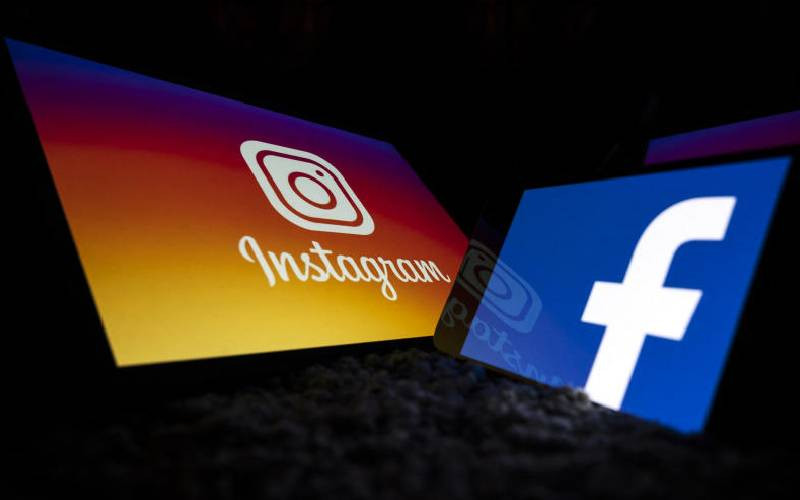
The recent ban of X (formerly Twitter) by the Brazilian Supreme Court has ignited a critical debate about the role of big tech companies in global democracies. The ban, which followed a disagreement over the social media company's refusal to censor accounts spreading misinformation and disinformation, raises significant questions about the influence and responsibility of tech giants in sovereign nations. Elon Musk, the billionaire owner of X, publicly vowed to defy the court's orders, labelling the action as unconstitutional.
The arrest of Pavel Durov, CEO of the messaging app Telegram, in France last month for crimes including complicity in distributing child pornography and illegal drugs, is another example of the growing tension between tech companies and national governments. Similarly, in 2015, Brazil temporarily banned WhatsApp for failing to cooperate with criminal investigations. These instances highlight the escalating friction between the global reach of technology and the jurisdictional powers of national governments.
Subscribe to our newsletter and stay updated on the latest developments and special offers!


 Prefer the Standard on Google