×

The Standard e-Paper
Join Thousands Daily
 The Standard Group Plc is a
multi-media organization with investments in media platforms spanning newspaper
print operations, television, radio broadcasting, digital and online services. The
Standard Group is recognized as a leading multi-media house in Kenya with a key
influence in matters of national and international interest.
The Standard Group Plc is a
multi-media organization with investments in media platforms spanning newspaper
print operations, television, radio broadcasting, digital and online services. The
Standard Group is recognized as a leading multi-media house in Kenya with a key
influence in matters of national and international interest.
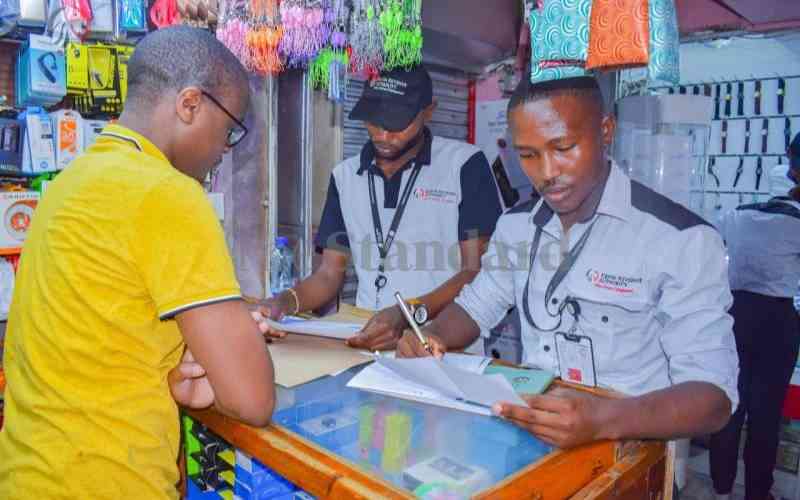
In his first (and only) address to Parliament thus far - in late September last year - President William Ruto took time to speak to his views on Kenya's taxation regime. Offering that "the current tax regime is over-taxing trade and under-taxing wealth", he offered that "the economic principles of equitable taxation require that the tax burden reflects the ability to pay. This is best achieved by a hierarchy that taxes wealth, consumption, income and trade in that order of preference".
There is a useful "hustler" view to this assertion, as the advisors might tell us more simply. The "bottom-up" economic model starts by doing stuff (trade), earning something (income), spending it (consumption) and saving or accumulating the rest for a rainy day (wealth). The reverse taxation logic, therefore, suggests more wealth taxes reduce consumption taxes; more consumption taxes reduce income taxes, and we cut trade taxes from the bottom up.
Subscribe to our newsletter and stay updated on the latest developments and special offers!










 join
join