×

The Standard e-Paper
Join Thousands Daily
 The Standard Group Plc is a
multi-media organization with investments in media platforms spanning newspaper
print operations, television, radio broadcasting, digital and online services. The
Standard Group is recognized as a leading multi-media house in Kenya with a key
influence in matters of national and international interest.
The Standard Group Plc is a
multi-media organization with investments in media platforms spanning newspaper
print operations, television, radio broadcasting, digital and online services. The
Standard Group is recognized as a leading multi-media house in Kenya with a key
influence in matters of national and international interest.
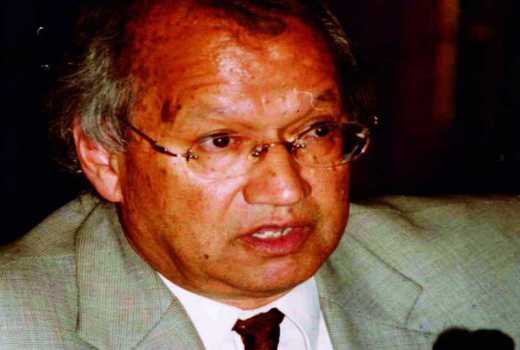
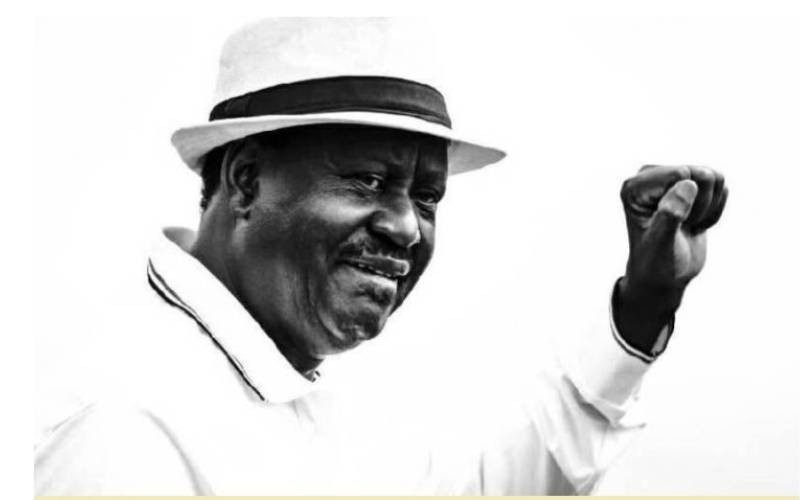
Until recently a favourite occupation of politicians (in the wake of disputed elections) was to agitate amending the 2010 Constitution. Even before the polls NASA leader Raila Odinga took this matter so seriously that his team prepared a set of amendments and secured (or thought they had) a million signatures of voters in support. Article 257 provides for the amendment of the Constitution by “popular initiative.” The process is complicated, involving signatures by a million voters (confirmed by the IEBC), support of a majority of county assemblies, and majority of the members of both Houses (failing the last, the support of the people in a referendum). At that time other parties were critical of this initiative, as I was, perhaps for a different reason — I thought it was too soon after the promulgation of the Constitution. Nothing happened as the IEBC ruled there were insufficient signatures.
Now there seems to be some consensus among political parties for replacement of the executive presidential system by a parliamentary system. During the constitution making process nearly 18 years ago Raila and DP William Ruto supported the Westminster parliamentary system. Former President Kibaki also, initially, supported the parliamentary system: in his submission to the CKRC, he vigorously attacked what he termed the “imperial presidency.” But his position changed 180 degrees once he tasted the flavour of executive presidency following the 2002 elections.
Subscribe to our newsletter and stay updated on the latest developments and special offers!

 Prefer the Standard on Google




 join
join