×

The Standard e-Paper
Kenya’s Boldest Voice
 The Standard Group Plc is a
multi-media organization with investments in media platforms spanning newspaper
print operations, television, radio broadcasting, digital and online services. The
Standard Group is recognized as a leading multi-media house in Kenya with a key
influence in matters of national and international interest.
The Standard Group Plc is a
multi-media organization with investments in media platforms spanning newspaper
print operations, television, radio broadcasting, digital and online services. The
Standard Group is recognized as a leading multi-media house in Kenya with a key
influence in matters of national and international interest.

Audio By Vocalize
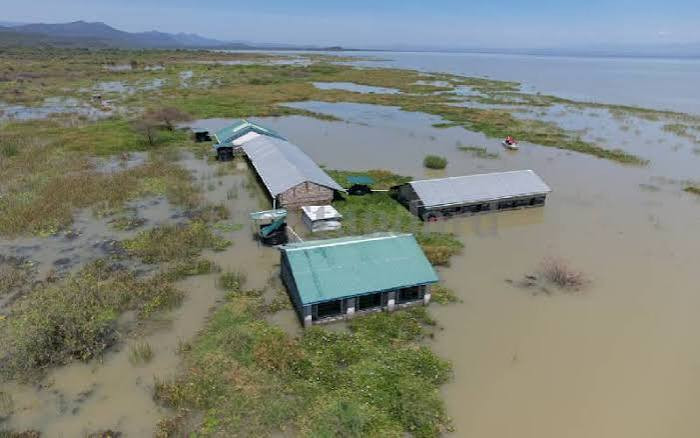
Over the past few years, we have experienced significant variations in our climate, from droughts to heavy rainfall.
A dry cycle followed by heavy storms has led to disaster each time. We see homes and businesses flooded, roads washed away, livelihoods disrupted, and property destroyed.
Then the questions begin: Where is the government? What is the government doing? Why were we not prepared?
And rightly so. The government has a critical role to play in protecting citizens. It must invest in infrastructure, maintain drainage systems, provide reliable early warnings, coordinate emergency response and support communities when disasters strike.
But there is another question we need to ask: what are we doing to protect ourselves?
El Niño is almost here, and this time the warning signs are impossible to ignore. The World Meteorological Organisation says the El Niño is firmly established and expected to strengthen further, potentially reaching very strong intensity towards the end of the year. It also puts the likelihood of the phenomenon persisting through to February 2027 at nearly 100 per cent.
For East Africa, October to December is a particularly important rainfall period, and all the reliable data indicates that rainfall could be 60 per cent to 80 per cent higher than normal across much of the region.
The scale of the potential impact in Kenya should make us sit up. The Kenya Red Cross has warned that 46 of the country's 47 counties are at risk, with more than two million people potentially negatively affected by the expected long rainy season due to El Niño.
These are not numbers we should read and then simply wait to see what happens.
A weather forecast gives us something that victims of a disaster often do not have - time.
Time to clear drainage around our homes and businesses. Time to inspect roofs, walls and electrical systems. Time to move valuables and important documents away from areas vulnerable to flooding. Time for businesses to review their continuity plans and think about how they would operate if their premises, stock or supply chains were disrupted.
And importantly, time to think about our financial protection. There is a tendency in Kenya to think about insurance after something has gone wrong.
We lose property and then start asking whether it was insured. A business is disrupted and only then do we consider what that interruption means financially.
By then, the risk has already become a loss. Insurance cannot stop El Niño. It cannot prevent flooding or replace the responsibility of government to build and maintain resilient infrastructure. But appropriate insurance can help protect the financial progress that individuals and businesses have spent years building.
For a family, losing a home, vehicle, or other valuable property can mean diverting savings meant for education, a business or another important goal. For a small business, damaged stock and equipment can be accompanied by lost income and continuing expenses. Without adequate protection, recovery can mean starting again from scratch.
Stay informed. Subscribe to our newsletter
That is the part of the El Niño conversation we need to have more openly.
Preparedness is not only about surviving the event. It is also about being able to recover from it.
This does not mean waiting for government to solve every problem, nor does it mean suggesting that individuals can prepare their way out of every disaster.
The government, businesses, communities and citizens each have responsibilities. Authorities must continue investing in infrastructure and early-warning systems.
Citizens must stop treating drainage channels as dumping grounds and take reasonable steps to protect their homes and property. Businesses must understand their vulnerabilities and have plans for disruption.
And insurers have a responsibility too: to make protection easier to understand, more accessible and more relevant to the risks people actually face. Insurers also provide valuable advice to help businesses, especially with risk management and mitigation.
We need to move away from seeing insurance as something you buy because a bank requires it or something you claim after a disaster. It should be part of a broader culture of risk management and financial planning.
Because the uncomfortable truth is that serikali saidia (government, help) cannot be our only disaster preparedness strategy.
We should absolutely hold government accountable for the things it must do. But accountability cannot replace personal responsibility.
We cannot wait for the water to enter the house before asking whether we should have moved the valuables. We cannot wait for business to close before asking how it will survive the interruption. And we cannot wait until after a loss to discover that we were not adequately protected.
The warning has been given. The forecasts are available. The risks are increasingly clear.
So the question for every household and every business is simple: if the rain comes as forecast, are you prepared? We have time to act.
Let us not wait for disaster to teach us the cost of being unprepared.
- Kieran Godden is the Group Chief Executive, Liberty Kenya Holdings
Subscribe to our newsletter and stay updated on the latest developments and special offers!





 join
join