×

The Standard e-Paper
Home To Bold Columnists
 The Standard Group Plc is a
multi-media organization with investments in media platforms spanning newspaper
print operations, television, radio broadcasting, digital and online services. The
Standard Group is recognized as a leading multi-media house in Kenya with a key
influence in matters of national and international interest.
The Standard Group Plc is a
multi-media organization with investments in media platforms spanning newspaper
print operations, television, radio broadcasting, digital and online services. The
Standard Group is recognized as a leading multi-media house in Kenya with a key
influence in matters of national and international interest.

Audio By Vocalize
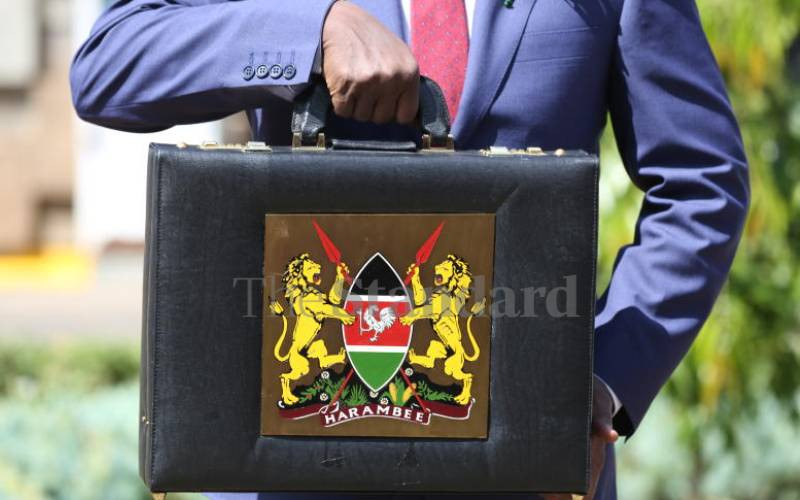
When Kenyans voted overwhelmingly for devolution in 2010, the vision was clear; bring government closer to the people, accelerate development in neglected regions, and ensure that public resources translate into tangible improvements in daily life.
Fourteen years on, a new report by Controller of Budget Margaret Nyakang'o has laid bare that what was devolved, above all else, was the appetite for waste.
County governments spent Sh13.17 billion on domestic and foreign travel in the first nine months of the current financial year. Nairobi alone burned through Sh1.55 billion, dispatching officials on jaunts to Dubai, Malaysia and the United Kingdom under the guise of bench-marking trips. Kitui, Meru, West Pokot and Kiambu were not far behind. In Baringo, travel consumed 42 per cent of operations spending.
Against this backdrop of first-class travel and conference-room tourism, the development record is nothing short of scandalous. Counties absorbed a mere 31 per cent of their combined Sh234.33 billion development budget, and 43 of the 47 counties recorded development absorption below 50 per cent.
Twenty-two counties reported 237 stalled projects worth Sh13.66 billion, with over Sh5 billion already paid to contractors for work that remains incomplete. Abandoned health centres, half-built roads, unfinished water projects are the monuments to devolution the way it has actually been practised.
Meanwhile, the wage bill is eating the counties alive. The 47 counties spent Sh171.36 billion on salaries against total revenues of Sh388.37 billion, a ratio of 44 per cent against a statutory ceiling of 35 per cent. Forty-one counties breached that limit.
Outstanding bills
In Homa Bay and Taita Taveta, salaries consumed 63 per cent of all revenue. And yet even as payrolls ballooned, workers in many counties have gone months without pay, contractors are owed Sh156.84 billion in outstanding bills, and suppliers are being asked to wait while governors fly business class.
This is not mismanagement in the technical sense, it is corruption. The counties were not created to fund governors' travel diaries or to build white elephant projects timed to election cycles so that ribbon-cutting ceremonies can substitute for genuine delivery. They were created to serve Kenyans who, in many parts of this country, still lack reliable access to clean water, functional health facilities and passable roads.
With elections 14 months away, governors will soon be asking for renewed mandates on the basis of development records. This report must inform that conversation. The Senate must press for accountability with the urgency the situation demands, and Kenyans must be clear-eyed about what the numbers reveal, which is that too many county governments have treated devolution not as a public trust, but as a personal privilege.
Accountability is not negotiable. Every shilling sent to the counties belongs to the taxpayer, and every shilling must be accounted for.




Subscribe to our newsletter and stay updated on the latest developments and special offers!






 join
join